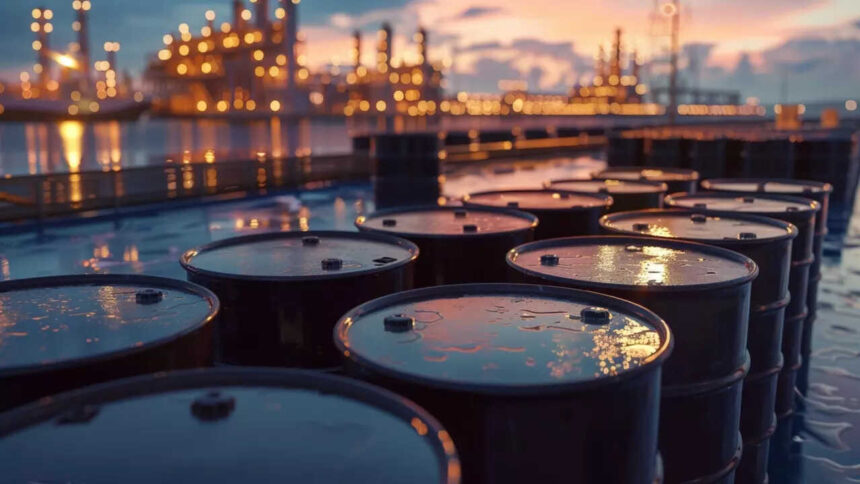
The long-awaited resumption of Iran’s oil exports has finally arrived, marking a significant milestone in the country’s bid to revive its crude sales following months of disruption. A fleet of 11 tankers, carrying a whopping 20 million barrels of oil, has departed from the Gulf of Oman port, signaling a substantial increase in the country’s oil exports. This development comes on the heels of a recent peace breakthrough between Tehran and Washington, which has paved the way for the resumption of trade activities in the region.
Boosting Iran’s Economy and Global Oil Markets
The influx of oil exports is expected to have a profound impact on Iran’s economy, which has been grappling with the effects of the oil embargo imposed by the United States. The country’s oil industry has been severely hampered, leading to a significant decline in government revenue. The resumption of oil exports will not only inject much-needed capital into the economy but also provide a much-needed boost to Iran’s foreign exchange reserves.
In addition to its economic benefits, the increase in oil exports is also set to have a positive impact on global oil markets. The surge in supply is expected to put downward pressure on oil prices, which have been volatile in recent months. This development will be welcomed by oil consumers, who will benefit from lower prices, while also providing a much-needed relief to oil-producing countries.
The Complexities of Oil Exports and Diplomatic Ties
The resumption of oil exports is not without its complexities, however. The deal between Tehran and Washington has been met with skepticism by some, who have expressed concerns about the long-term implications of the agreement. The deal has been criticized for being too lenient on Iran, with some arguing that it does not go far enough in addressing the country’s nuclear ambitions. Additionally, there are concerns about the potential impact on the region, particularly in light of the ongoing tensions between Iran and its neighbors.
Despite these concerns, the resumption of oil exports is a significant development that has the potential to unlock new trade routes and opportunities in the region. The deal has also paved the way for increased cooperation between Iran and its international partners, which could lead to new investments and economic opportunities.
A New Era for Iran’s Oil Industry
The resumption of oil exports marks a significant turning point for Iran’s oil industry, which has been facing significant challenges in recent years. The deal has provided a much-needed lifeline to the industry, which has been struggling to stay afloat in the face of sanctions and embargoes. The increase in oil exports is set to provide a much-needed boost to the industry, which will enable it to invest in new technologies and infrastructure.
As Iran’s oil industry looks to the future, there are many challenges that lie ahead. The country will need to navigate the complex web of diplomatic ties and international agreements that govern oil trade. Additionally, there are concerns about the long-term sustainability of the oil industry, particularly in light of the ongoing shift towards renewable energy. Despite these challenges, the resumption of oil exports is a significant development that marks a new era for Iran’s oil industry.
The resumption of oil exports from Iran marks a significant milestone in the country’s bid to revive its crude sales. The influx of 20 million barrels of oil is expected to have a profound impact on Iran’s economy and global oil markets. While there are complexities and challenges that lie ahead, this development marks a significant turning point for Iran’s oil industry and sets the stage for a new era of cooperation and economic growth in the region.