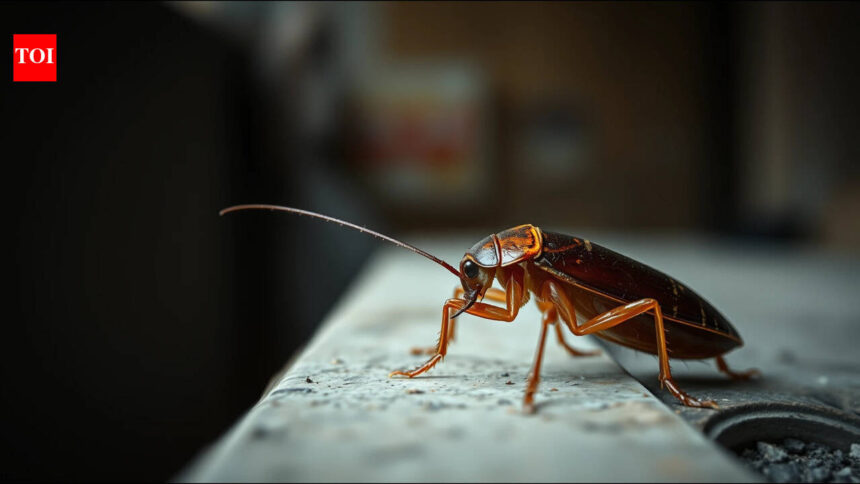
The old Swahili saying ‘stop scratching the cockroach’s scars’ may seem like a peculiar idiom at first glance, but it holds a profound lesson on the importance of moving on from past hurts. Cockroaches, often viewed as resilient creatures, symbolize survival and their scars tell tales of struggles they have endured. However, the saying cautions against dwelling on these scars, emphasizing that constant reminiscence can hinder the healing process and prevent us from embracing a more fulfilling life. This timeless wisdom encourages us to reflect on our own lives and the wounds we carry, prompting us to ask whether we are truly moving forward or merely stuck in the past.
Understanding the Metaphor
The metaphor of the cockroach’s scars is a powerful one, as it reminds us that our past experiences, though significant, do not define our present or future. Just as a cockroach’s scars are a testament to its ability to survive and thrive despite adversity, our own scars can serve as a reminder of our resilience and capacity for growth. However, when we constantly ‘scratch’ these scars, we risk reopening old wounds and preventing them from fully healing. This can lead to a cycle of pain and regret, causing us to become mired in negativity and unable to move forward.
The beauty of this proverb lies in its simplicity and universality. It transcends cultural boundaries, speaking to a fundamental human experience that we all can relate to. Whether we have been hurt in a personal relationship, faced a traumatic event, or struggled with self-doubt, the temptation to dwell on past pain is a common one. Yet, this saying offers a gentle yet firm reminder that our energy would be better spent focusing on the present and cultivating a more hopeful future.
The Psychology of Holding On
From a psychological perspective, the tendency to hold onto past hurts can be attributed to a variety of factors, including fear, anxiety, and a deep-seated need for control. When we experience trauma or significant pain, our minds may become fixated on the event as a way of trying to make sense of it or prevent it from happening again. However, this fixation can ultimately become a self-perpetuating cycle, causing us to relive the pain over and over and preventing us from healing. Furthermore, holding onto grudges or past resentments can lead to a state of emotional stagnation, causing us to become isolated and disconnected from others.
Moreover, research has shown that rumination – the tendency to repetitively think about and reflect on negative experiences – can have serious negative consequences for our mental and physical health. It can lead to increased stress levels, anxiety, and depression, as well as a weakened immune system and a greater risk of chronic disease. In contrast, practicing forgiveness, letting go of past hurts, and cultivating a sense of gratitude can have a profoundly positive impact on both our mental and physical well-being.
Embracing the Power of Letting Go
So, how can we apply the wisdom of the Swahili proverb to our own lives? The first step is to acknowledge the scars we carry and the ways in which they may be holding us back. This requires a willingness to confront our past and our emotions, rather than trying to suppress or deny them. Next, we must make a conscious decision to let go of the need to ‘scratch’ these scars, recognizing that this behavior is not serving us. Instead, we can focus on cultivating self-compassion, practicing mindfulness, and engaging in activities that bring us joy and fulfillment.
Ultimately, the act of letting go is a liberating one, allowing us to break free from the burdens of our past and embrace a more hopeful, expansive future. As we learn to stop scratching the cockroach’s scars, we may find that our own scars begin to heal, and we are able to move forward with greater ease, clarity, and purpose. By embracing this profound lesson, we can transform our lives and create a brighter, more compassionate world – one that is guided by the principles of forgiveness, resilience, and the unwavering human spirit.