{“title”:”Uttar Pradesh Unveils its Cultural Treasure Trove: Interactive Museums to Transform the Tourism Sector”,”content”:”
The Uttar Pradesh government is leaving no stone unturned in its pursuit of making the state a major tourist destination. In a bid to revamp the tourism sector, the government has set its sights on creating engaging and interactive museums that promise to transform the way tourists experience the state’s rich cultural heritage. The initiative, aimed at attracting new visitors and boosting the local economy, is part of a broader strategy to promote rural tourism and experience-based travel.
Revamping the Museum Experience
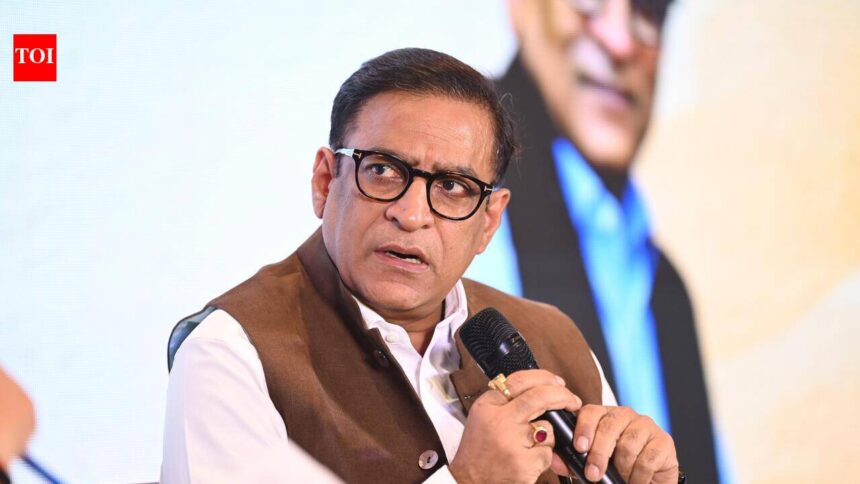
The Chief Secretary of Tourism, Amrit Abhijat, recently made a significant announcement at the Discover UP conclave, highlighting the state’s commitment to creating immersive museum experiences. Abhijat emphasized that the new museums will not only showcase the state’s history and culture but also provide a unique, interactive, and engaging experience for visitors. By incorporating cutting-edge technology and innovative storytelling methods, the museums are poised to captivate audiences and leave a lasting impression.
From interactive exhibits that bring ancient artifacts to life to immersive experiences that transport visitors through time, the new museums promise to redefine the way we engage with history and culture. The focus on interactive experiences is a deliberate attempt to shift the traditional museum-going experience from a static, passive activity to an engaging and dynamic one. By doing so, the government aims to appeal to a wider audience, including families, students, and young travelers.
Rural Tourism and Experience-Based Travel
The Uttar Pradesh government is not relying solely on museums to boost tourism. Instead, it is adopting a multi-faceted approach that includes rural tourism and experience-based travel. By highlighting the state’s rich cultural heritage, natural beauty, and vibrant local traditions, the government aims to create a unique travel experience that allows tourists to connect with the local community and immerse themselves in the authentic flavors of the region.
From trekking through the dense forests of the Himalayas to exploring the vibrant markets of Lucknow, tourists will have a wealth of options to choose from. The government is also promoting homestays, local cuisine, and artisanal crafts to provide tourists with a genuine taste of rural life. By doing so, the state aims to create a sustainable and responsible tourism model that benefits both the local community and the environment.
A New Era of Tourism in Uttar Pradesh
The Uttar Pradesh government’s ambitious plans to create engaging and interactive museums are part of a broader vision to transform the state’s tourism sector. By focusing on immersive experiences, rural tourism, and experience-based travel, the government is poised to create a new era of tourism in the state. With its rich cultural heritage, natural beauty, and vibrant local traditions, Uttar Pradesh is well-positioned to become a major tourist destination in the years to come.
As the state continues to invest in its tourism infrastructure, it is clear that the future of tourism in Uttar Pradesh is looking bright. With its unique blend of history, culture, and natural beauty, the state is poised to captivate audiences and leave a lasting impression on the world stage. The Uttar Pradesh government’s commitment to creating engaging and interactive museums is a significant step towards realizing this vision, and it will be exciting to see the impact it has on the state’s tourism sector in the years to come.
“,”excerpt”:”Uttar Pradesh is transforming its tourism sector by creating engaging and interactive museums, promoting rural tourism, and experience-based travel. The state aims to attract new visitors and boost the local economy. “,”tags”:[“Uttar Pradesh”,”Tourism”,”Museums”,”Rural Tourism”,”Experience-Based Travel”],”meta_description”:”Uttar Pradesh transforms its tourism sector with engaging museums, rural tourism, and experience-based travel.”}