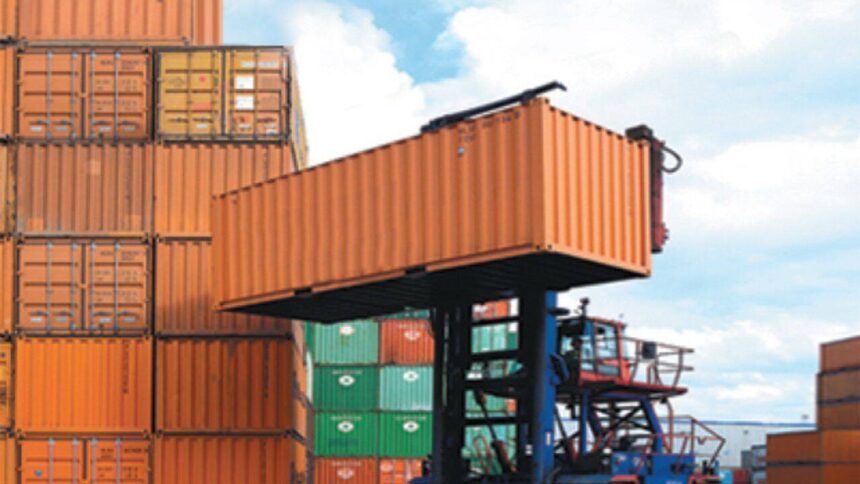
Despite the ongoing West Asia conflict, India’s goods exports have shown remarkable resilience, registering a nearly 15% growth during the first two-and-a-half months of the current financial year. This uptick in exports is a testament to the country’s diversified export basket and its ability to navigate global headwinds. The momentum, which was evident in April, has been sustained, providing a much-needed boost to the economy. The growth in exports has been broad-based, with several sectors, including pharmaceuticals, textiles, and engineering goods, contributing to the increase.
Key Drivers of Export Growth
The growth in exports can be attributed to a combination of factors, including a depreciation in the rupee, which has made Indian goods more competitive in the global market. Additionally, the government’s efforts to improve the ease of doing business and reduce regulatory hurdles have also helped. The focus on boosting exports has been a key component of the government’s economic strategy, with several initiatives, including the Production Linked Incentive (PLI) scheme, being implemented to encourage domestic manufacturing and exports.
The PLI scheme, which provides incentives to companies in specific sectors, has been particularly effective in driving exports. The scheme has helped to increase production capacity, reduce costs, and improve the quality of goods, making them more competitive in the global market. Furthermore, the government’s efforts to strengthen trade relationships with key partners, including the US, EU, and ASEAN countries, have also helped to drive exports.
Challenges Ahead
Despite the positive trends, there are challenges that need to be addressed to sustain the growth in exports. The ongoing West Asia conflict poses a significant risk, as it can disrupt global supply chains and impact demand for Indian goods. Moreover, the uncertainty surrounding the global economy, including the threat of a recession in key markets, can also impact exports. The government needs to continue to monitor the situation closely and take proactive measures to mitigate any potential risks.
To address these challenges, the government has been engaging with key stakeholders, including exporters, industry associations, and foreign governments, to identify potential risks and develop strategies to mitigate them. Additionally, the government has been working to diversify India’s export basket, by promoting new sectors, such as renewable energy and electronics, and exploring new markets, including Africa and Latin America.
Sustaining the Momentum
To sustain the growth in exports, it is essential to continue to focus on improving the business environment and reducing regulatory hurdles. The government needs to build on the momentum generated by the PLI scheme and other initiatives, by implementing further reforms to encourage domestic manufacturing and exports. Additionally, the government needs to continue to engage with key partners, to strengthen trade relationships and explore new opportunities for Indian goods.
The growth in exports is a positive sign for the Indian economy, which has been facing several challenges, including a slowdown in domestic demand. The surge in exports has helped to offset some of the impact of the slowdown, and has provided a much-needed boost to the economy. As the government continues to work towards sustaining the momentum, it is likely that the growth in exports will continue, providing a strong foundation for the Indian economy to grow and prosper.