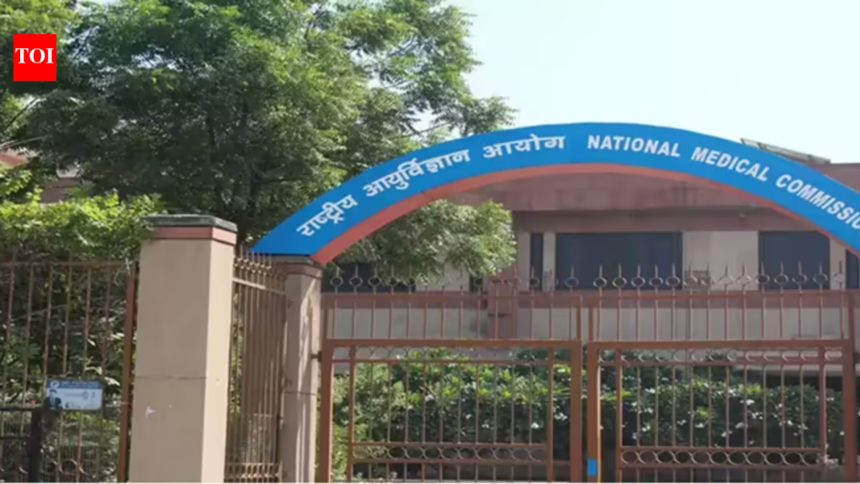
The National Medical Commission’s decision to discontinue postgraduate diploma medical courses across India marks a significant turning point in the country’s medical education system. This move is set to reshape the way specialist medical training is imparted, with a complete shift towards MD and MS degree programmes. As admission to PG diploma courses will be done for the last time in 2026-27, the focus is now on enhancing the quality and standards of medical education, ensuring that future generations of doctors are better equipped to meet the complex healthcare needs of the population.
Impact on Medical Education
The discontinuation of PG diploma courses is expected to have far-reaching implications for medical education in India. With MD and MS degree programmes taking center stage, students can look forward to more comprehensive and specialized training. The NMC’s decision is aimed at standardizing medical education and bringing it at par with international standards. This move is also anticipated to boost the quality of healthcare services, as doctors with specialized training in MD and MS programmes will be better equipped to handle complex medical cases.
The shift from PG diploma to MD and MS degree programmes will also lead to an increase in the duration of postgraduate medical education. While PG diploma courses typically have a duration of two years, MD and MS programmes can stretch up to three years. This extended duration will provide students with more time to gain hands-on experience, engage in research, and develop their skills in a specialized field. As a result, the medical fraternity can expect a new generation of doctors who are not only knowledgeable but also skilled and adept at handling a wide range of medical situations.
Future of Specialist Medical Training
The NMC’s decision to discontinue PG diploma courses has sparked a mix of reactions from the medical community. While some have welcomed the move, citing the need for more comprehensive training, others have expressed concerns about the potential impact on the availability of specialist doctors in rural and underserved areas. However, proponents of the move argue that the shift towards MD and MS degree programmes will ultimately lead to better-trained doctors who can provide high-quality care to patients across the country.
The focus on MD and MS degree programmes is also expected to drive innovation in medical research and education. With a greater emphasis on specialized training, medical institutions will be encouraged to invest in research and development, leading to new discoveries and advancements in the field of medicine. As the medical landscape in India continues to evolve, the NMC’s decision is poised to play a pivotal role in shaping the future of healthcare in the country.
Implementation and Next Steps
The implementation of the NMC’s decision will require careful planning and coordination between medical institutions, regulatory bodies, and other stakeholders. The commission will need to ensure a smooth transition from PG diploma to MD and MS degree programmes, with a focus on minimizing disruptions to ongoing education and training. Additionally, measures will need to be taken to address concerns about the potential impact on the availability of specialist doctors in rural and underserved areas.
As the medical community looks to the future, it is clear that the NMC’s decision marks a significant milestone in the evolution of medical education in India. With a focus on enhancing the quality and standards of medical training, the country can expect a new generation of doctors who are better equipped to meet the complex healthcare needs of the population. As the curtains draw on PG diploma medical courses, the stage is set for a new era in specialist medical education, one that promises to bring about positive change and improvement in the healthcare sector.