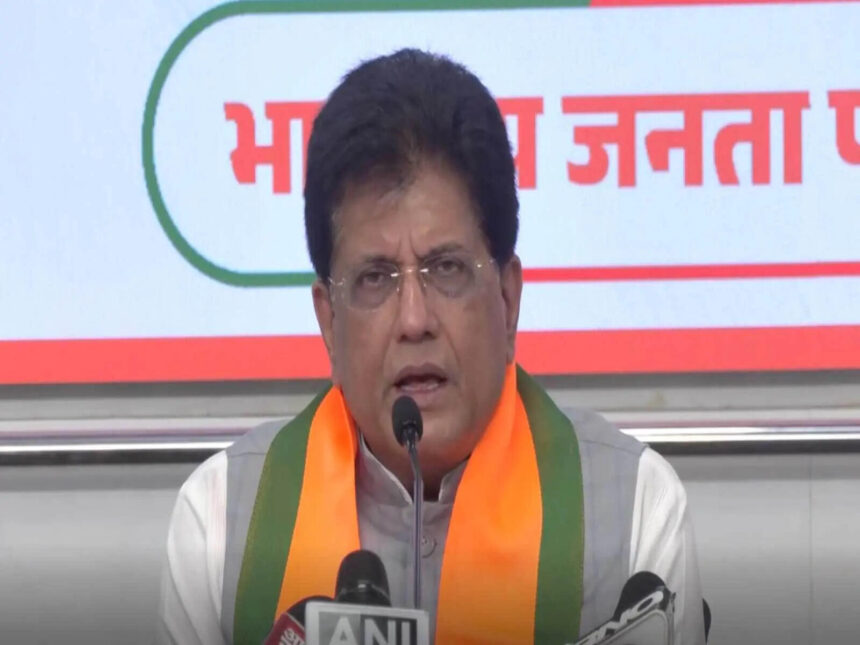
As the United States Trade Representative Jaimeson Greer arrives in New Delhi for a series of high-stakes negotiations, India’s commerce and industry minister Piyush Goyal has made it clear that the country will be seeking a comparative advantage in the impending trade deal. This development comes at a crucial time for India, as it looks to bolster its economic position on the global stage and capitalize on the vast opportunities presented by a potential trade agreement with the world’s largest economy. With the Indian government keenly aware of the potential benefits and pitfalls of such a deal, the talks are expected to be intense and closely watched by stakeholders on both sides.
Setting the Stage for Negotiations
The upcoming negotiations between India and the US are the result of months of diplomatic efforts to revive talks that had stalled due to various disagreements. The Indian government has been keen to resolve issues such as market access, tariffs, and intellectual property rights, which have been major stumbling blocks in the past. Minister Goyal has emphasized the need for a mutually beneficial agreement that takes into account the unique strengths and weaknesses of both economies. As the talks get underway, all eyes will be on the ability of the two sides to find common ground and hammer out a deal that satisfies the diverse interests of their respective industries and stakeholders.
The US has been one of India’s largest trading partners for several years, with bilateral trade exceeding $150 billion in 2022. However, the relationship has not been without its challenges, with the US imposing tariffs on certain Indian goods and India retaliating with its own set of tariffs on US products. The new trade deal is seen as an opportunity to reset the relationship and put it on a more stable and predictable footing. Indian exporters are hoping that the agreement will lead to increased market access and a reduction in tariffs, which would enable them to compete more effectively with their global peers.
Key Areas of Focus
One of the key areas of focus for the Indian government in the upcoming negotiations will be the issue of market access. Indian exporters have long complained about the difficulties they face in accessing the US market, due to stringent regulatory requirements and high tariffs. The government will be seeking to negotiate better terms for Indian exporters, including reduced tariffs and simplified regulatory procedures. Another area of focus will be the issue of intellectual property rights, which has been a major point of contention between the two countries in the past. The US has been pushing India to strengthen its intellectual property laws and enforcement mechanisms, while India has been resisting what it sees as an attempt to impose unfair and draconian standards.
The negotiations will also cover areas such as agriculture, services, and digital trade. The Indian government is expected to push for greater market access for its agricultural products, such as basmati rice and spices, which face significant tariffs and non-tariff barriers in the US market. The services sector, which is a major driver of India’s economy, will also be a key area of focus, with the government seeking to negotiate better terms for Indian service providers, including those in the IT and IT-enabled services sectors.
Conclusion and Next Steps
As the negotiations between India and the US get underway, there is a sense of optimism and trepidation among stakeholders on both sides. While there are significant challenges to be overcome, there is also a recognition of the vast potential benefits that a successful trade deal could bring. The Indian government will be seeking to balance its desire for a comparative advantage with the need to ensure that the agreement is mutually beneficial and does not harm the interests of its domestic industries. As the talks progress, all eyes will be on the ability of the two sides to find common ground and negotiate a deal that sets the stage for a new era of cooperation and economic growth between the two countries.
The outcome of the negotiations will have significant implications for India’s economic trajectory and its position on the global stage. A successful trade deal could provide a major boost to the country’s exports and economic growth, while a failed negotiation could lead to increased tensions and a deterioration in the bilateral relationship. As the world watches with bated breath, one thing is clear – the upcoming trade deal between India and the US will be a defining moment in the history of bilateral relations between the two countries.