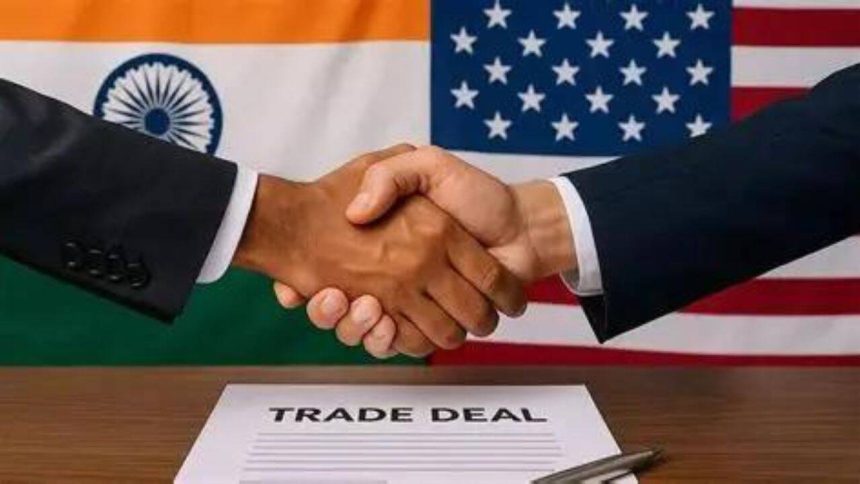
As the clock ticks down on the Trump administration’s 10% tariff on imports from all countries, India and the US have embarked on a high-stakes ministerial-level trade talk to hammer out a mutually beneficial agreement. The two nations have been locked in intense negotiations to resolve their long-standing trade disputes, with the US seeking greater market access for its goods and services, while India aims to protect its domestic industries. With the expiry of the current tariff regime looming large, the talks have taken on a sense of urgency, as both sides recognize the importance of securing a deal that promotes economic cooperation and avoids a potentially debilitating trade war.
Setting the Stage for Cooperation
The ongoing trade talks between India and the US are being seen as a crucial step towards strengthening economic ties between the two nations. The US has been one of India’s largest trading partners, with bilateral trade valued at over $140 billion in 2020. However, the relationship has been strained in recent years due to disagreements over issues such as market access, intellectual property rights, and tariffs. The current talks are an opportunity for both sides to iron out their differences and work towards a more balanced and equitable trade relationship.
The Indian government has been keen to secure a trade deal with the US, as it seeks to boost exports and attract foreign investment to drive economic growth. The country’s economy has been facing headwinds in recent years, with growth slowing down due to a combination of domestic and global factors. A trade deal with the US could provide a much-needed boost to India’s export sector, which has been struggling to compete with other emerging markets.
Key Areas of Focus
The ongoing trade talks are expected to focus on a range of key areas, including agriculture, pharmaceuticals, and technology. The US has been seeking greater market access for its agricultural products, such as dairy and poultry, which have been restricted by Indian regulations. India, on the other hand, has been pushing for greater access to the US market for its pharmaceutical and technology exports. The two sides are also expected to discuss issues related to intellectual property rights, with the US seeking stronger protections for its companies operating in India.
The talks are also likely to cover the issue of tariffs, with the US seeking to reduce or eliminate tariffs on its exports to India. The current 10% tariff imposed by the Trump administration is set to expire soon, and the US is keen to secure a deal that avoids the imposition of higher tariffs on its goods. India, on the other hand, is likely to push for a more gradual reduction in tariffs, as it seeks to protect its domestic industries from competition from cheaper US imports.
A Delicate Balance
As the trade talks between India and the US enter their final stages, both sides are aware of the need to strike a delicate balance between their competing interests. The US is keen to secure a deal that promotes its economic interests, while India is determined to protect its domestic industries and secure a fair deal for its exporters. The talks are a complex and challenging process, requiring careful negotiation and compromise from both sides.
The outcome of the trade talks will have significant implications for the economic relationship between India and the US. A successful deal could pave the way for a new era of economic cooperation between the two nations, promoting trade, investment, and job creation. On the other hand, a failure to secure a deal could lead to a deterioration in relations, with potentially serious consequences for the global economy. As the clock ticks down on the current tariff regime, the stakes are high, and the world is watching with bated breath as India and the US strive to seal a trade deal that works for both sides.