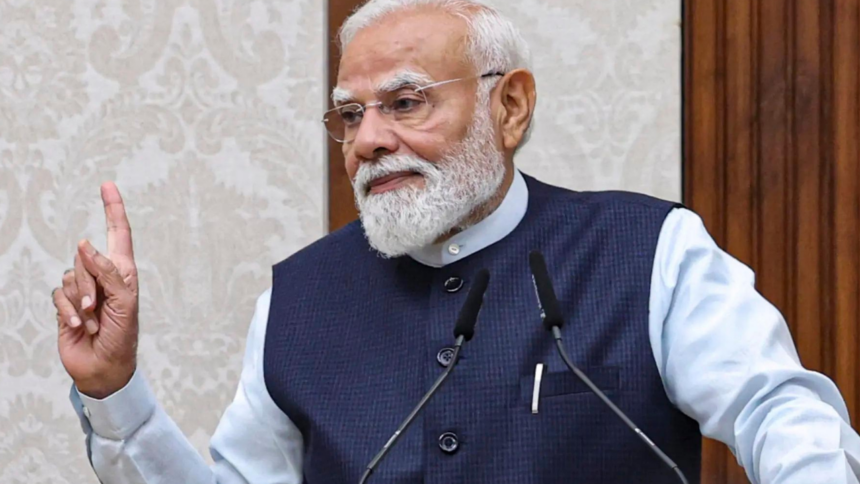
Prime Minister Narendra Modi on Wednesday issued a directive to the states to swiftly implement the e-Zero FIR system in cases of cybercrime, aiming to alleviate the suffering of victims who have fallen prey to online scams and financial losses. In his address, Modi emphasized the need for a streamlined and efficient approach to investigating cyber fraud, allowing victims to avoid the ordeal of running from pillar to post in pursuit of justice.
Current Status of E-FIR Implementation
At present, only nine states in the country have implemented the e-Zero FIR system, which enables the registration of FIRs online and expedites the investigation process. However, Modi urged the states to expedite the rollout of this system, which he believes will greatly benefit the victims of cybercrime. He directed the Prime Minister’s Office (PMO) to take up the matter with the chief secretary and Director General of Police (DGP) of each state, with the aim of achieving a nationwide implementation of the e-FIR system.
Experts believe that the implementation of e-FIRs will not only reduce the time taken to investigate cybercrime cases but also ensure that the victims are provided with timely assistance and support. Moreover, it will enable the police to track the cybercrime cases more efficiently and identify patterns, ultimately leading to a more effective crackdown on the perpetrators.
Benefits of E-FIRs in Cybercrime Probes
The e-FIR system is designed to provide a secure and efficient platform for registering complaints and tracking the progress of cybercrime investigations. This system will enable the police to register FIRs online, which will reduce the paperwork and manual efforts involved in the process. Additionally, it will enable the police to share information with the victim and other stakeholders in real-time, ensuring that everyone is kept informed about the progress of the investigation.
The implementation of e-FIRs will also help in reducing the delay in cybercrime probes, which often leads to the loss of crucial evidence and the perpetrators escaping punishment. According to data, the average time taken to investigate a cybercrime case in India is around 60 days, which is a significant delay considering the fast-paced nature of cybercrime. By implementing e-FIRs, the states can aim to reduce this timeframe, ensuring that the victims receive justice in a timely manner.
Way Forward
Modi’s directive to implement e-FIRs across the country is a significant step towards strengthening the country’s cybercrime investigation mechanisms. By ensuring that all states implement this system, the government can ensure that the victims of cybercrime receive the support and assistance they need in a timely manner. The implementation of e-FIRs will also help in building trust among the citizens, who are increasingly being targeted by cybercriminals. As the government moves forward with the implementation of e-FIRs, it is essential that the states work in close coordination with each other to ensure a smooth rollout of this system.
In the coming days, the government will be working closely with the states to ensure the successful implementation of e-FIRs across the country. With the implementation of this system, the country can look forward to a more streamlined and efficient approach to investigating cybercrime cases, ultimately leading to a safer and more secure digital environment for all citizens.
The government’s move to implement e-FIRs is a significant step towards strengthening the country’s cybercrime investigation mechanisms and ensuring that the victims of cybercrime receive the support and assistance they need in a timely manner. As the government moves forward with the implementation of e-FIRs, it is essential that the states work in close coordination with each other to ensure a smooth rollout of this system.