{“title”:”Babies in the Snow: Unpacking Denmark’s Unorthodox Parenting Practices”,”content”:”
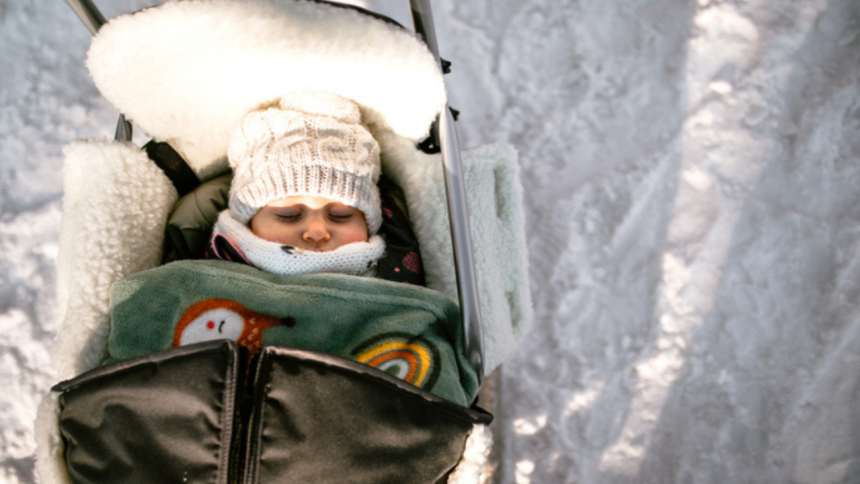
The streets of Copenhagen are often filled with the sweet sounds of children’s laughter and the gentle hum of bicycle wheels, but amidst the tranquility, a peculiar sight can be observed – a baby sleeping peacefully outside a café, wrapped in a blanket and left to snooze under the cold winter sky. This is not a sign of negligence or neglect, but rather a reflection of Denmark’s unique approach to childcare and the outdoors. For many Danish parents, leaving their babies outside while they step inside for a coffee or a snack is a perfectly ordinary practice, one that is deeply rooted in the country’s culture of trust and community.
The reasons behind this unorthodox practice are multifaceted. One key factor is the strong emphasis on outdoor living in Denmark, where the concept of ‘ friluftsliv’ (open-air living) is deeply ingrained in the national psyche. Danes believe that spending time outdoors is essential for both physical and mental well-being, and this extends to even the youngest members of society. Babies are often carried in strollers or slings, allowing them to breathe in the fresh air and take in the sights and sounds of the world around them.
Another factor is the culture of public safety that pervades Denmark. The country has a reputation for being one of the safest in the world, with low crime rates and a strong sense of community. Parents feel comfortable leaving their babies outside, knowing that they are within sight and breathing in the fresh air. This sense of security is reinforced by the fact that many cafes and restaurants have outdoor seating areas, where parents can keep an eye on their children while still enjoying a coffee or a meal.
Trust in the System
The Danish approach to childcare is not just about leaving babies outside, but also about trusting the system to provide a safe and supportive environment. Parents are confident that the community will look out for their children, and that the authorities will respond quickly in case of an emergency. This trust is built on years of experience and a deep-seated understanding of the importance of community and social responsibility.
In Denmark, there is no stigma attached to leaving babies outside, and many parents see it as a normal and natural part of childcare. In fact, some parents even view it as a benefit, citing the improved sleep quality and increased sense of well-being that comes from spending time outdoors. While this practice may seem unusual to outsiders, it is a testament to the Danish approach to parenting and the outdoors, which prioritizes community, trust, and the well-being of children.
As the world becomes increasingly urbanized, Denmark’s approach to childcare offers a refreshing alternative to the often isolating and technology-driven parenting practices of modern society. By embracing the outdoors and trusting the community, Danish parents are able to provide a unique and enriching experience for their children, one that prioritizes connection, exploration, and a deep appreciation for the natural world.
The Science Behind It
So, is there any scientific basis for the Danish approach to childcare? Research suggests that spending time outdoors can have a range of benefits for children, from improved sleep quality to increased vitamin D levels. Exposure to natural light and fresh air has also been shown to boost cognitive development and reduce stress levels in children. In Denmark, parents are not just trusting their instincts, but also relying on the latest research to inform their parenting practices.
One study published in the Journal of Environmental Psychology found that children who spent more time outdoors had improved sleep quality, reduced symptoms of ADHD, and increased levels of physical activity. Another study published in the Journal of Exposure Science and Environmental Epidemiology found that exposure to natural light and fresh air reduced stress levels and improved mood in children. These findings suggest that the Danish approach to childcare may be more than just a cultural quirk – it may be a recipe for healthy and happy children.
Of course, not everyone will agree with the Danish approach to childcare, and there are valid concerns about safety and supervision. However, for many Danish parents, the benefits of spending time outdoors with their children far outweigh the risks. By embracing the outdoors and trusting the community, Danish parents are able to provide a unique and enriching experience for their children, one that prioritizes connection, exploration, and a deep appreciation for the natural world.
The Global Implications
So, what can we learn from the Danish approach to childcare? One key takeaway is the importance of community and social responsibility in creating a safe and supportive environment for children. By trusting the system and relying on the support of others, Danish parents are able to provide a unique and enriching experience for their children, one that prioritizes connection, exploration, and a deep appreciation for the natural world.
Another takeaway is the need to rethink our approach to childcare and the outdoors. In an increasingly urbanized world, it’s easy to get caught up in the convenience and technology of modern parenting. However, the Danish approach suggests that there is a better way – one that prioritizes connection, exploration, and a deep appreciation for the natural world.
As the world becomes increasingly interconnected, it’s likely that we will see a shift towards more community-driven and nature-based approaches to childcare. By embracing the outdoors and trusting the community, parents around the world can provide a unique and enriching experience for their children, one that prioritizes connection, exploration, and a deep appreciation for the natural world.
And so, the next time you’re in Copenhagen and you see a baby sleeping peacefully outside a café, don’t be alarmed – just smile and nod in understanding. For in Denmark, this is not a sign of neglect or neglect, but rather a reflection of a deep and abiding trust in the community and the outdoors.
“,”excerpt”:”In Denmark, leaving babies outside while parents step inside for a coffee or snack is a common practice, rooted in a culture of trust and community. Research suggests that spending time outdoors can have a range of benefits for children, from improved sleep quality to increased vitamin D levels.”,”tags”:[“health”,”parenting”,”Denmark”,”outdoor living”,”friluftsliv”,”safety”,”community”,”science”],”meta_description”:”In Denmark, a unique approach to childcare has parents leaving babies outside while they step inside for a coffee or snack, but is it safe? Research suggests that spending time outdoors can have a range of benefits for children.”}