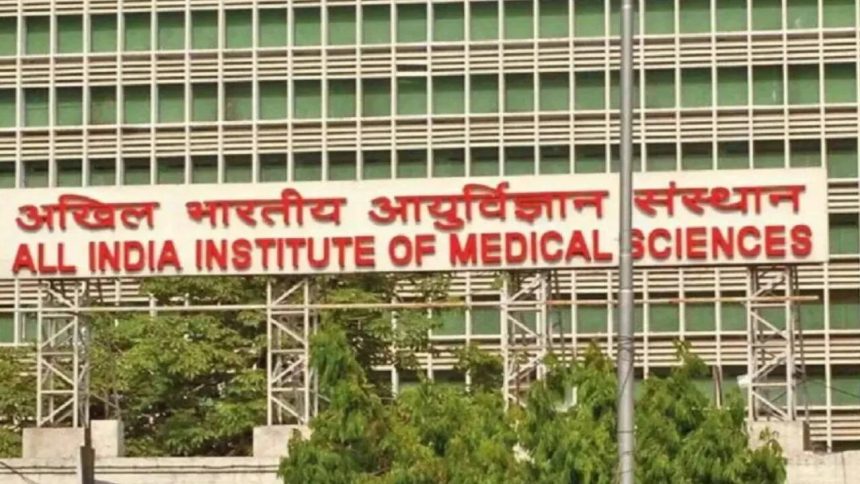
The All India Institute of Medical Sciences, or AIIMS, has taken a significant step to safeguard its brand image and ensure the confidentiality of patient information by introducing a comprehensive set of social media guidelines. The new rules, which apply to students, resident doctors, employees, and affiliated bodies, strictly prohibit the use of the institute’s name, logo, or official branding on social media platforms without prior approval. This move is seen as a necessary measure to prevent any potential damage to the institute’s reputation and to maintain the trust of its patients. The guidelines are part of a broader effort to regulate the online presence of AIIMS and its associated individuals and organizations.
Social Media Guidelines and Regulations
The social media guidelines issued by AIIMS are detailed and far-reaching, covering a wide range of topics and activities. They specify the circumstances under which the institute’s name, logo, or branding can be used, and outline the procedures for obtaining approval. The guidelines also provide clear instructions on what types of content are acceptable and what types are not, with a particular emphasis on maintaining patient confidentiality and avoiding any behavior that could be perceived as unprofessional. The aim is to create a consistent and respectful online presence that reflects positively on AIIMS and its community.
One of the key aspects of the guidelines is the requirement for all social media accounts to be registered with the institute’s administration. This will enable AIIMS to monitor and track the online activities of its students, staff, and affiliated bodies, and to take prompt action in case of any violations. The guidelines also stress the importance of being mindful of the potential consequences of social media posts, and of considering how they may be perceived by different audiences. By promoting a culture of responsibility and respect, AIIMS hopes to minimize the risks associated with social media use and to protect its reputation as a leading medical institution.
Implications and Enforcement
The introduction of the social media guidelines has significant implications for the AIIMS community, and is likely to have a major impact on the way students, staff, and affiliated bodies interact with each other and with the outside world. The guidelines are designed to be flexible and adaptable, and will be regularly reviewed and updated to reflect changing circumstances and new developments. Enforcement will be the responsibility of the institute’s administration, which will work closely with the relevant departments and units to ensure that the guidelines are being followed. Any violations will be dealt with promptly and fairly, with a range of sanctions available depending on the nature and severity of the offense.
The new guidelines have been welcomed by many within the AIIMS community, who recognize the importance of maintaining a professional online presence and protecting patient confidentiality. However, some have expressed concerns about the potential restrictions on freedom of speech, and the impact on the ability to engage in open and honest discussions about important issues. These concerns are being taken seriously by the institute’s administration, which is committed to finding a balance between the need to regulate social media use and the need to promote a culture of openness and transparency.
Conclusion and Future Directions
The introduction of the social media guidelines at AIIMS is a significant development that reflects the institute’s commitment to protecting its reputation and maintaining the trust of its patients. The guidelines are an important step towards creating a consistent and respectful online presence, and will help to promote a culture of responsibility and respect within the AIIMS community. As the guidelines are implemented and enforced, it will be important to monitor their impact and to make any necessary adjustments. The aim is to create a positive and supportive online environment that benefits everyone involved, and that helps to promote the values and mission of AIIMS.
The future of social media use at AIIMS will be shaped by the guidelines, and will depend on the ability of the institute’s administration to balance the need for regulation with the need for openness and transparency. As the guidelines evolve and develop, they will need to take into account new technologies and new challenges, and will need to be flexible and adaptable in response to changing circumstances. By working together and engaging in open and honest discussions, the AIIMS community can help to create a positive and supportive online environment that reflects the values and mission of the institute, and that promotes a culture of responsibility and respect.