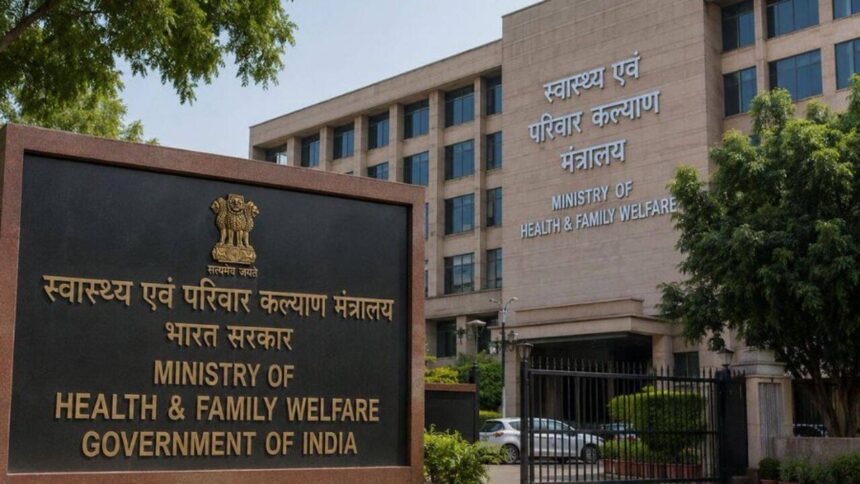
The Union health ministry has taken a significant step towards promoting trust-based regulation in the healthcare sector by introducing amendments to the Clinical Establishments (Registration and Regulation) Act, 2010. The new regulations will replace criminal fines with administrative penalties for minor procedural lapses by hospitals and clinics, aiming to reduce the burden of compliance and promote a more transparent and efficient healthcare system. This move is part of the Centre’s Jan Vishwas reforms, which focus on simplifying regulatory frameworks and encouraging self-compliance.
Understanding the Amendments
The amendments to the Clinical Establishments Act will have a profound impact on the way hospitals and clinics operate in the country. By replacing criminal fines with administrative penalties, the government aims to create a more conducive environment for healthcare providers to focus on delivering quality services rather than fearing punitive action for minor lapses. The administrative penalties will be imposed by the relevant authorities, and the amount of the penalty will be determined based on the severity of the lapse.
The introduction of administrative penalties is expected to reduce the number of cases that end up in court, freeing up the judicial system to focus on more serious cases. Additionally, the new regulations will encourage hospitals and clinics to self-report minor lapses, promoting a culture of transparency and accountability. The government believes that this approach will lead to better compliance and improved quality of care, ultimately benefiting patients and the healthcare system as a whole.
Impact on the Healthcare Sector
The introduction of administrative penalties for minor lapses is expected to have a positive impact on the healthcare sector. By reducing the fear of criminal action, hospitals and clinics will be more likely to invest in quality improvement initiatives and adopt innovative practices. The new regulations will also encourage healthcare providers to focus on patient care and safety, rather than complying with complex and often cumbersome regulatory requirements. Furthermore, the amendments will promote a more collaborative approach between healthcare providers and regulatory authorities, fostering a culture of trust and cooperation.
The Centre’s decision to introduce administrative penalties has been welcomed by the healthcare industry, which has long argued that the existing regulatory framework is overly punitive and bureaucratic. The new regulations are seen as a step in the right direction, as they will help to reduce the regulatory burden and promote a more efficient and effective healthcare system. However, some experts have cautioned that the introduction of administrative penalties must be accompanied by adequate oversight and monitoring to ensure that healthcare providers do not compromise on quality and safety.
Way Forward
The introduction of administrative penalties for minor lapses is a significant step towards promoting trust-based regulation in the healthcare sector. The Centre’s Jan Vishwas reforms aim to create a more transparent and efficient regulatory framework, and the amendments to the Clinical Establishments Act are a key part of this initiative. As the healthcare sector continues to evolve and grow, it is essential that the regulatory framework keeps pace, promoting innovation, quality, and patient safety.
The government must now ensure that the new regulations are implemented effectively, with adequate training and capacity-building for regulatory authorities and healthcare providers. Additionally, the Centre must continue to engage with stakeholders, including healthcare providers, patients, and consumer groups, to ensure that the regulatory framework remains relevant and effective. By doing so, the government can promote a culture of trust and cooperation, ultimately leading to better healthcare outcomes and a more efficient and effective healthcare system.