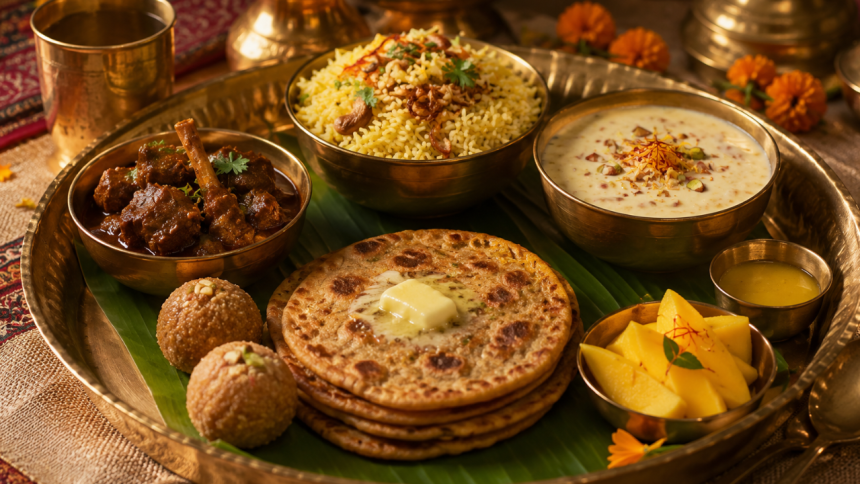
The lavish feasts of ancient Indian kings are often romanticized in movies and literature, overflowing with exotic ingredients and lavish displays of wealth. However, a closer look at the culinary preferences of these royal families reveals a more down-to-earth story. For centuries, Indian kings and queens craved comfort foods that were rich in flavor and tradition, but often surprisingly simple in their composition. From creamy desserts to juicy fruits, these dishes were carefully prepared in palace kitchens using the finest ingredients and techniques, making them fit for royalty.
The Comforting Bowls of Royal India
One of the most beloved dishes of ancient Indian kings was undoubtedly kheer, a creamy rice pudding that warmed the hearts and bellies of those who tasted it. Cooked in ghee and infused with saffron, kheer was a staple dessert in every royal kitchen, often served at special occasions and festive gatherings. This comforting bowl of goodness was not just a sweet treat but also a symbol of hospitality and generosity, as it was often offered to guests as a sign of welcome and respect.
Another royal favorite was puran poli, a sweet flatbread filled with a rich mixture of cooked lentils and jaggery. This traditional dessert was a staple in many Indian households, but its popularity soared in the royal circles where it was often served at special occasions like weddings and festivals. The combination of soft, fluffy bread and sweet, sticky filling made puran poli a true delight for the taste buds, a flavor that has stood the test of time and remains a beloved dessert in India to this day.
The Fruits of the Royal Orchards
Mangoes were another favorite fruit among ancient Indian kings, and for good reason. These luscious fruits, grown in the royal orchards of India, were not only a source of sweetness but also a symbol of wealth and status. The finest mangoes were carefully selected and served at royal gatherings, often used to make sweet jams and preserves that were enjoyed throughout the year. The love for mangoes was so strong that it inspired the creation of many traditional desserts, including the famous aamras, a sweet and tangy puree made from the finest mangoes.
The royal love for fruits extended beyond mangoes, with other fruits like bananas, jackfruits, and papayas also being highly prized. These fruits were not only enjoyed fresh but also used to make a variety of sweet and savory dishes, including chutneys, pickles, and preserves. The royal kitchens of ancient India were indeed a treasure trove of flavors and textures, where the humblest of fruits were transformed into culinary masterpieces that delighted the taste buds of kings and queens.
The Spices and Flavors of Royal India
Indian cuisine is known for its rich use of spices and herbs, and ancient Indian kings were no exception. They loved to experiment with different combinations of spices to create unique and complex flavors that elevated their dishes to new heights. From the warm, aromatic flavors of cinnamon and cardamom to the bold, pungent flavors of black pepper and turmeric, the spice rack of ancient India was a treasure trove of flavors that added depth and character to every dish.
The love for spices was not just limited to the kitchen, but also extended to the medicine cabinet. Ancient Indian kings and queens believed in the healing properties of spices and herbs, using them to create remedies for various ailments and health issues. The use of spices in medicine was so widespread that it inspired the creation of many traditional medical practices, including Ayurveda, which is still practiced today.
The culinary traditions of ancient India were indeed a testament to the creativity and resourcefulness of its royal families. By combining the finest ingredients, techniques, and spices, they created a cuisine that was not only fit for kings but also a reflection of their values and culture. As we continue to explore the rich culinary heritage of India, we are reminded of the importance of tradition, hospitality, and generosity, values that are still cherished and celebrated in Indian culture today.
As we look back at the culinary preferences of ancient Indian kings, we are struck by the simplicity and elegance of their tastes. Despite their wealth and status, they chose to focus on the comfort foods that brought joy and satisfaction to their lives. Their love for kheer, puran poli, mangoes, and spices is a testament to the enduring power of tradition and the importance of simplicity in a world of excess and luxury.