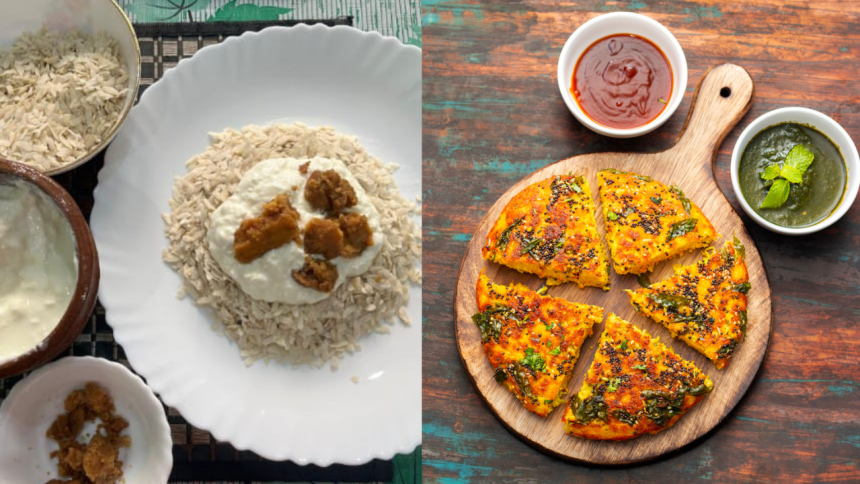
As the sun rises over the vast expanse of India, a wave of nostalgia washes over the country, transporting us back to a time when breakfast was more than just a quick bite before the day’s hustle. Before packaged bread became the easy default on Indian breakfast tables, mornings across the country began with foods that were regional, seasonal, and deeply local. Rice, millet, lentils, and fermented batters did the heavy lifting, while chutneys, jaggery, milk, curd, and ghee turned simple ingredients into meals that were filling enough for workdays and special enough for festivals. Many of these dishes are still alive in homes, but they have quietly slipped out of the mainstream conversation. What they reveal is not just nostalgia, but a different idea of breakfast altogether: slower, more rooted, and far less dependent on factory-made convenience. This is a story about seven forgotten Indian breakfasts that once defined the country’s morning routines and how they can inspire us to rethink our own breakfast habits.
Ancient Grains and Fermented Delights
One of the most popular breakfast foods in southern India was ‘idli’, a steamed rice cake made from fermented rice and lentil batter. These soft, fluffy cakes were served with a variety of chutneys and sambar, a spicy lentil-based vegetable stew. Another popular breakfast dish in the region was ‘dosa’, a fermented crepe made from a mixture of rice and lentil batter. The dosa was often served with a side of sambar and chutney, making for a nutritious and filling meal. In other parts of the country, ‘poha’ was a staple breakfast food made from flattened rice flakes. The flakes were typically soaked in water or milk and then sautéed with spices and herbs to create a tasty and crunchy breakfast dish.
These ancient grains and fermented delights not only provided sustenance for the day ahead but also played a crucial role in shaping the country’s culinary identity. The use of fermented foods, in particular, is a testament to the ingenuity and creativity of Indian cooks who managed to preserve and enhance the nutritional value of ingredients through fermentation. By embracing these forgotten breakfasts, we can tap into a rich culinary heritage that is both authentic and sustainable.
Seasonal Delights and Ghee-Infused Goodness
In northern India, the breakfast table often featured ‘paratha’, a layered flatbread made from whole wheat flour. The paratha was typically served with a dollop of ghee and a side of vegetables or lentils. Another popular breakfast dish in the region was ‘kachori’, a crispy fried bread filled with a spicy mixture of lentils and spices. The kachori was often served with a side of chutney or raita, a yogurt-based side dish. In other parts of the country, ‘papadum’ was a staple breakfast food made from fermented lentil or chickpea batter. The papadum was typically served with a side of chutney or ghee and was often used as a crunchy accompaniment to other breakfast dishes.
These seasonal delights and ghee-infused goodness not only added flavor and texture to the breakfast plate but also provided a sense of comfort and familiarity. The use of ghee, in particular, is a testament to the country’s rich culinary tradition and the importance of traditional ingredients in everyday cooking. By incorporating these forgotten breakfasts into our daily routines, we can experience the warmth and hospitality of Indian cuisine firsthand.
The Power of Regional Specialties
The diversity of Indian cuisine is perhaps nowhere more evident than in its regional specialties. From the spicy curries of the south to the rich desserts of the north, each region has its unique breakfast traditions that are shaped by local ingredients, climate, and culture. The use of regional ingredients, such as coconut, tamarind, and ginger, adds a unique flavor and aroma to breakfast dishes and helps to preserve the country’s culinary heritage. By embracing these regional specialties, we can experience the richness and diversity of Indian cuisine in all its glory.
As we rediscover these forgotten Indian breakfasts, we are reminded of the importance of slowing down and savoring the moment. Breakfast is no longer just a quick bite before the day’s hustle but a time to connect with family and friends, to appreciate the simplicity of local ingredients, and to experience the warmth and hospitality of Indian cuisine. By making these forgotten breakfasts a part of our daily routines, we can create a more sustainable and authentic food culture that is rooted in tradition and innovation alike.