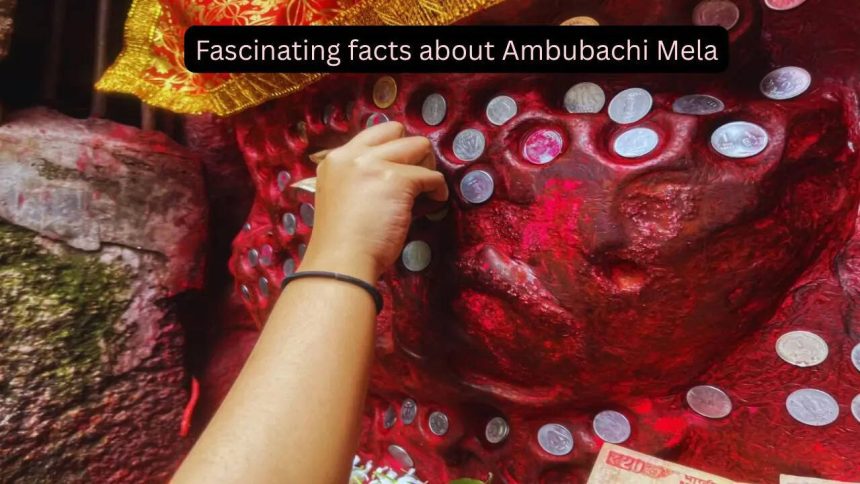
As the summer solstice approaches, the city of Guwahati in Assam transforms into a vibrant melting pot of spirituality, culture, and tradition. The Ambubachi Mela, India’s most unique and significant festival, takes center stage at the iconic Kamakhya Temple, attracting millions of devotees, curious travelers, and photographers from across the globe. This enchanting celebration is not about commemorating a deity’s triumph or harvesting a bounty, but rather honoring the sacred menstruation cycle of Goddess Kamakhya, the embodiment of fertility and creation. As the pilgrims converge on the temple grounds, the air is filled with an air of reverence, anticipation, and a deep sense of connection with the divine.
Myths and Legends Surrounding the Festival
The Ambubachi Mela is deeply rooted in Assamese mythology and is said to be a celebration of the annual menstruation of Goddess Kamakhya. According to legend, Goddess Kamakhya is the consort of Lord Shiva and is revered as a symbol of fertility and creation. The festival is a testament to the ancient Indian tradition of worshipping the feminine energy and recognizing the sacredness of menstruation. The Kamakhya Temple, a Shakti Peetha, is one of the 51 sacred shrines dedicated to the worship of the divine feminine. The temple’s unique architecture, adorned with intricate carvings and sculptures, reflects the rich cultural heritage of Assam and the country’s ancient traditions.
The festival is a three-day spectacle that begins on the full moon day of the month of Aashaadh (June) and culminates with the divine ‘Ardhanarishwar’ (half-female, half-male) darshan. This phenomenon is a rare occurrence where the presiding deity, Goddess Kamakhya, is seen in a combined form with Lord Shiva, symbolizing the union of masculine and feminine energies. Devotees from far and wide come to witness this extraordinary manifestation, which is considered a blessing from the divine.
The Significance of Menstruation in Assamese Culture
Menstruation holds a sacred place in Assamese culture, and the Ambubachi Mela is a celebration of this natural phenomenon. The festival is a testament to the ancient Indian tradition of recognizing the menstrual cycle as a symbol of fertility and creativity. In Assam, menstruation is not seen as a taboo or a source of shame but rather as a natural process that is essential to life and creation. The festival is a celebration of the divine feminine, honoring the goddess who embodies the power of creation and fertility.
The significance of menstruation in Assamese culture is evident in the way it is celebrated during the festival. The menstruating goddess is worshipped with great reverence and devotion, and the festival is a time for women to come together and celebrate their femininity and fertility. The festival is a powerful statement against the patriarchal norms that have historically stigmatized menstruation and women’s bodies.
The Cultural and Spiritual Significance of the Festival
The Ambubachi Mela is a unique cultural and spiritual experience that reflects the rich heritage of Assam and India. The festival is a celebration of the divine feminine, honoring the sacredness of menstruation and the power of creation. The festival is a testament to the ancient Indian tradition of recognizing the importance of feminine energy and the sacredness of women’s bodies.
The festival is a time for spiritual seeking, self-reflection, and introspection. Devotees come to the temple grounds to seek blessings, perform rituals, and connect with the divine. The festival is a time for cultural exchange, music, and dance, and the temple grounds come alive with vibrant colors, sounds, and aromas. The festival is a celebration of life, fertility, and creation, and it is a must-visit experience for anyone interested in Indian culture, spirituality, and tradition.
As the Ambubachi Mela comes to a close, the temple grounds are left with an eerie silence, a sense of peace, and a deep connection with the divine. The festival is a reminder of the importance of recognizing and respecting the sacredness of menstruation and the power of the divine feminine. The Ambubachi Mela is a testament to the rich cultural and spiritual heritage of India and a celebration of the beauty and wonder of the human experience.