{“title”:”The Echoes of Pain: How Old Wounds Shape Our Fears”,”content”:”
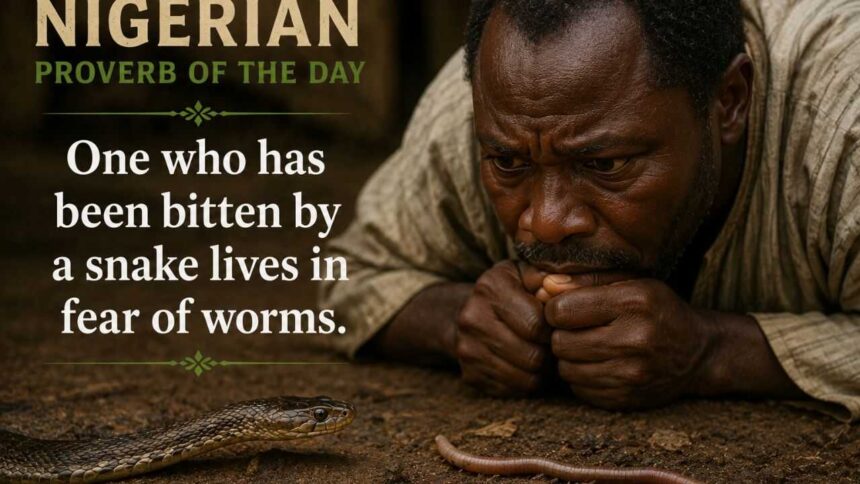
Have you ever found yourself bristling at the sight of something completely innocuous, only to realize that it’s an unsettling echo of a long-forgotten hurt? The sensation is familiar to many, and for those who’ve experienced it, a Nigerian proverb offers a poignant explanation: “One who has been bitten by a snake lives in fear of worms.” This ancient wisdom encapsulates the lasting impact of past traumas on our present-day fears, revealing how the memories of old wounds can transform harmless stimuli into sources of anxiety. As we navigate the complexities of our emotional landscapes, it’s essential to understand the intricate dance between our past experiences and our current phobias.
Triggers of the Mind
The human brain is wired to respond to patterns and threats, often relying on past experiences to inform our perception of the world. This natural defense mechanism, while vital for survival, can sometimes lead to the misattribution of harmless stimuli as potential dangers. For instance, a person who’s been in a car accident may become anxious in the presence of loud noises or a specific type of music, not because of the noise itself, but because it reminds them of the crash. Similarly, a person who’s experienced a traumatic event may develop a fear of enclosed spaces or crowds, even if there’s no logical connection between the event and the trigger. This phenomenon highlights the brain’s tendency to create a web of associations between past experiences, emotions, and triggers, often resulting in irrational fears.
Research has shown that the brain’s amygdala, responsible for processing emotions, plays a crucial role in the formation of these associations. When we experience a traumatic event, the amygdala releases stress hormones, such as adrenaline and cortisol, which can alter the brain’s chemistry and create lasting impressions. These impressions can then be triggered by stimuli that, in and of themselves, are innocuous but carry a subtle resemblance to the original traumatic event. This complex interplay between past experiences, emotions, and triggers can lead to the development of phobias, anxiety disorders, and other mental health issues.
The Power of Memory
Memory is a double-edged sword – while it allows us to learn from our experiences and retain valuable knowledge, it can also perpetuate the cycle of fear and anxiety. The way we remember past events can significantly influence our emotional responses to similar stimuli in the present. For instance, a person who’s experienced a past trauma may recall the event with vivid detail, including sensory experiences like sights, sounds, and smells. These sensory memories can become triggers for anxiety, even if the actual threat has passed. The brain’s ability to recall and relive past experiences can create a sense of emotional contagion, where the past trauma is reactivated in the presence of harmless stimuli.
Furthermore, the way we process and store memories can also contribute to the development of irrational fears. When we experience a traumatic event, our brains may prioritize the preservation of the memory over the elimination of associated emotions. This can result in the creation of a “memory map,” where the memory of the traumatic event is linked to specific stimuli, emotions, and contexts. Over time, this map can become a blueprint for anxiety, guiding the brain’s responses to similar situations and perpetuating the cycle of fear.
Breaking the Cycle of Fear
While the legacy of old wounds can be a heavy burden to bear, it’s not impossible to break the cycle of fear and anxiety. By acknowledging the role of past experiences in shaping our fears, we can begin to challenge and rewire our brain’s associations. This process involves recognizing the triggers of our anxiety, understanding the underlying emotions and memories that drive our fears, and developing coping strategies to manage our responses. It may require professional help, such as therapy or counseling, to navigate the complexities of our emotional landscapes and develop a more nuanced understanding of our fears.
Ultimately, the Nigerian proverb “One who has been bitten by a snake lives in fear of worms” reminds us that our past experiences can have a lasting impact on our present-day fears. By acknowledging the power of memory and the intricate dance between past and present, we can begin to break the cycle of fear and anxiety, freeing ourselves from the echoes of pain that haunt us still.
“,”excerpt”:”A Nigerian proverb offers a poignant explanation for the lasting impact of past traumas on our present-day fears, revealing how old wounds can shape our anxieties and phobias.”,”tags”:[“Nigerian proverb”,”anxiety”,”fear”,”trauma”,”memory”,”brain”],”meta_description”:”Understanding the lasting impact of past traumas on our present-day fears and how old wounds shape our anxieties and phobias”}