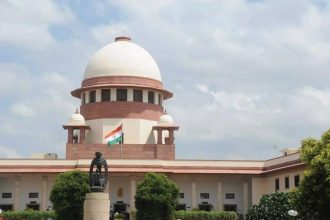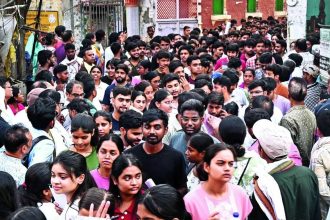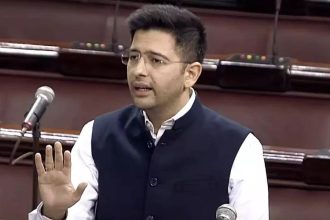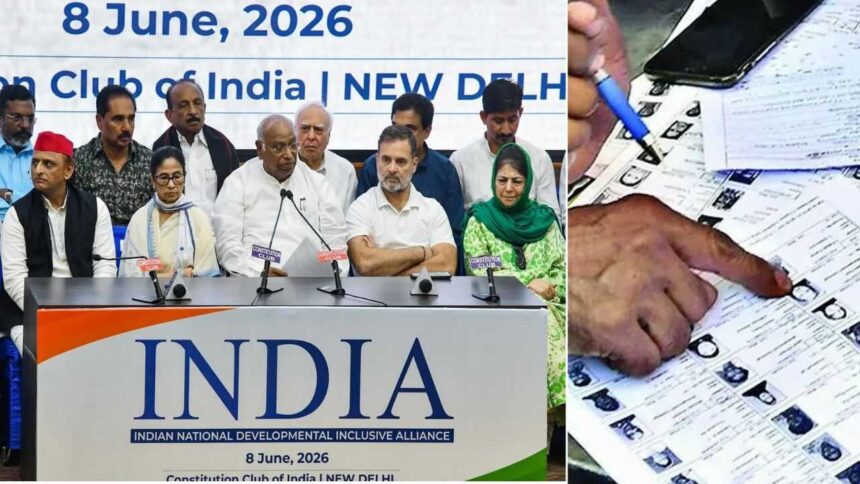
The Indian electoral landscape is witnessing a significant stir as 23 opposition parties have joined forces to express their discontent with the ongoing Special Summary Revision (SSR) of electoral rolls, alleging that the exercise is being conducted by a biased Election Commission to favor the ruling Bharatiya Janata Party (BJP). In a letter addressed to the Chief Justice of India, these parties have raised several concerns regarding the SSR exercise, seeking intervention to ensure the electoral process remains fair and unbiased. The move marks a united stand by the opposition against the alleged bias, underscoring the deepening political divide in the country.
Allegations of Bias and Electoral Manipulation
The opposition parties have pointed out several discrepancies and anomalies in the SSR exercise, which they believe are intentionally designed to disadvantage them. They argue that the Election Commission, which is constitutionally mandated to be impartial, has been acting in a manner that suggests a clear bias towards the BJP. The allegations range from the arbitrary removal of voters from the electoral rolls to the lack of transparency in the revision process, all of which, the opposition claims, are aimed at manipulating the electoral outcome in favor of the ruling party.
The issue has sparked a heated debate, with the BJP dismissing the allegations as baseless and an attempt by the opposition to discredit the electoral process. However, the opposition remains adamant that their concerns are genuine and that the integrity of the electoral system is at stake. The petition to the Chief Justice of India is seen as a last resort to address these grievances and ensure that the electoral process is conducted in a fair and transparent manner.
Implications for Democratic Governance
The allegations of electoral bias and manipulation have profound implications for democratic governance in India. The integrity of the electoral process is fundamental to the functioning of a democracy, and any compromise on this front can have far-reaching consequences. The opposition parties are not only fighting for their political rights but also for the principles of democracy, which they believe are being eroded by the alleged bias of the Election Commission. The situation underscores the need for robust institutional mechanisms that can safeguard the electoral process and prevent any attempts at manipulation.
The role of the Election Commission as a neutral and impartial body is crucial in this context. The Commission must not only ensure the fairness of the electoral process but also be seen to be doing so. Any perception of bias can undermine trust in the electoral system, leading to disillusionment among voters and potentially destabilizing the democratic process. The onus is on the Election Commission to address the concerns raised by the opposition parties and demonstrate its commitment to fairness and transparency.
A United Opposition and the Path Forward
The unity displayed by the 23 opposition parties in petitioning the Chief Justice of India is significant, as it reflects a growing recognition of the need for collective action against what they perceive as a threat to democratic norms. The move signals that the opposition is willing to put aside its differences and work together to address issues of common concern. This unity could have broader implications for Indian politics, potentially paving the way for more coordinated opposition strategies in the future.
The path forward will depend on how the Chief Justice of India responds to the petition and the subsequent actions of the Election Commission. The opposition parties are seeking a thorough investigation into their allegations and measures to ensure the fairness and transparency of the electoral process. The situation is being closely watched, both within India and internationally, as it has significant implications for the health of Indian democracy. As the country approaches future elections, the need for an electoral process that is beyond reproach has never been more pressing.