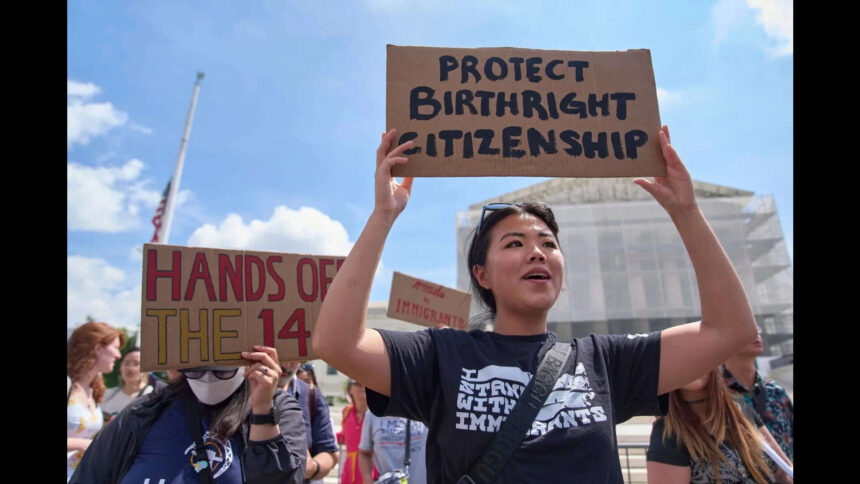
The Supreme Court made a landmark decision on Tuesday, upholding the long-standing principle of birthright citizenship in a 6-3 ruling, dealing a significant blow to President Donald Trump’s efforts to end the practice. The decision struck down an executive order issued by Trump in January 2025, which aimed to revoke citizenship for children born in the United States to non-citizen parents. The ruling has far-reaching implications for immigration policy and the lives of thousands of individuals who call America home. Justice Samuel Alito, who dissented from the majority opinion, expressed concern that the decision could have unintended consequences, including the potential for foreign nationals to exploit the system and obtain citizenship for their children.
Background of the Case
The case began when President Trump issued an executive order on January 20, 2025, seeking to end birthright citizenship, which is guaranteed by the 14th Amendment to the Constitution. The order sparked immediate controversy and was met with fierce opposition from civil rights groups, immigration advocates, and lawmakers from both parties. The challengers argued that the executive order was unconstitutional and would unfairly target certain groups of people, including immigrants and minorities. The case made its way through the lower courts before ultimately being heard by the Supreme Court.
The Supreme Court’s decision was closely watched, as it had the potential to impact not only the lives of individuals but also the broader debate over immigration policy in the United States. The ruling is likely to be seen as a significant setback for the Trump administration, which has made immigration a central issue of its agenda. Justice Alito’s dissenting opinion highlighted the complexities of the issue, citing concerns about national security, public safety, and the potential for abuse of the system. Despite these concerns, the majority of the court ultimately ruled that birthright citizenship is a fundamental right that cannot be revoked by executive order.
Implications of the Decision
The Supreme Court’s decision has significant implications for immigration policy and the lives of thousands of individuals who were born in the United States to non-citizen parents. The ruling ensures that these individuals will continue to be recognized as citizens, with all the rights and privileges that come with that status. The decision also underscores the importance of the 14th Amendment, which guarantees citizenship to all persons born in the United States, regardless of their parents’ immigration status. The ruling is likely to be welcomed by civil rights groups and immigration advocates, who have long argued that birthright citizenship is a fundamental right that should be protected.
The decision may also have broader implications for the national debate over immigration policy. The Trump administration has made immigration a central issue of its agenda, and the ruling is likely to be seen as a significant setback for the administration’s efforts to restrict citizenship and tighten border controls. The decision may also embolden advocates for immigrant rights, who have been pushing for more comprehensive reforms to the nation’s immigration system. As the national debate over immigration policy continues, the Supreme Court’s decision is likely to play a significant role in shaping the conversation.
Reaction to the Decision
The Supreme Court’s decision was met with widespread reaction from lawmakers, civil rights groups, and immigration advocates. Many welcomed the ruling as a significant victory for immigrant rights and a reaffirmation of the principles of equality and justice that underpin the Constitution. Others expressed disappointment and concern, citing the potential for abuse of the system and the need for more effective border controls. Justice Alito’s dissenting opinion highlighted the complexities of the issue, and the need for a more nuanced approach to immigration policy.
As the nation continues to grapple with the challenges of immigration, the Supreme Court’s decision is likely to be seen as a significant step forward for immigrant rights. The ruling underscores the importance of protecting the fundamental rights of all individuals, regardless of their immigration status. As the debate over immigration policy continues, the Supreme Court’s decision will likely play a significant role in shaping the conversation and informing the development of more effective and humane immigration policies. The decision is a powerful reminder of the importance of upholding the principles of justice, equality, and fairness that are enshrined in the Constitution, and of the need to protect the rights and dignity of all individuals who call America home.