The alarming rise in obesity rates over the past four decades has left many of us wondering what’s behind this seemingly insurmountable challenge. Since 1975, obesity rates have tripled, with more than two-thirds of adults in developed countries now classified as overweight or obese. While the culprit behind this trend is multifaceted, a closer look at our snacking habits reveals a surprising contributor to the problem: the very ‘healthy’ snacks we’ve come to rely on to curb our cravings.
Snacking on Empty Calories
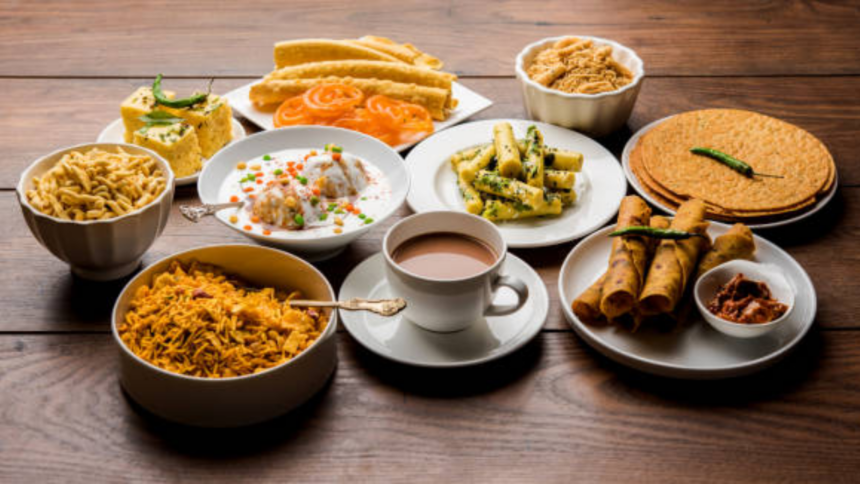
Most of us have fallen prey to the allure of ‘healthy’ snacks, assuming they’re a guilt-free way to satisfy our cravings between meals. However, the devil lies in the details – or rather, in the serving sizes. A handful of namkeen, that supposedly ‘healthy’ Indian snack mix, can amount to half the packet’s contents. A serving size of granola, touted as a nutritious breakfast option, can easily become a dessert-sized portion when consumed in excess. Even protein bars, designed to fuel our active lifestyles, can contain as much sugar as a piece of chocolate, quietly sabotaging our diet goals.
The real challenge, it seems, is finding foods that truly satisfy our cravings without covertly sneaking in an extra meal. The truth is, most ‘healthy’ snacks cease being healthy the moment portion sizes are discussed. And even ‘diet snacks’ can add hundreds of calories to our diet without providing a lasting sense of fullness. This is where the nutritionist’s advice comes in: pay attention to serving sizes and be mindful of the ingredients that go into your snacks.
The Sugar Trap
Sugar, it seems, is the silent saboteur of our snack choices. Even seemingly innocuous snacks like yogurt or energy bars can contain alarming amounts of added sugars. A single serving of yogurt, for instance, can contain up to 20 grams of sugar – a staggering amount, especially when consumed in excess. The same goes for protein bars, which often masquerade as a healthy alternative to traditional snacks. But behind the façade of protein powders and wholesome ingredients lies a sugar-laden treat, designed to hook us on the instant gratification of a sweet fix.
The solution, it seems, lies in reading the labels and being aware of the sugar content in our snacks. Look for snacks that contain natural sources of sugar, like fruits or honey, and avoid those that rely on added sugars to get the job done. And don’t be fooled by the marketing spin – a ‘diet’ label or a ‘low-calorie’ claim doesn’t necessarily mean the snack is guilt-free. Remember, the key to a healthy snacking habit is balance, not restriction.
The Power of Mindful Snacking
Mindful snacking, it seems, is the key to breaking the cycle of unhealthy snacking habits. By paying attention to our hunger cues and eating habits, we can develop a healthier relationship with food and our bodies. It’s not about depriving ourselves of our favorite snacks, but about being aware of the impact they have on our diets and our overall well-being. So the next time you reach for a snack, take a moment to consider the ingredients, the serving size, and the impact it will have on your body. Your waistline – and your health – will thank you.
The hidden dangers of ‘healthy’ snacking are a sobering reminder that our food choices have consequences. By being mindful of our snacking habits and making informed choices, we can take the first step towards a healthier, more balanced relationship with food. It’s time to rethink our snack game and prioritize our health above all else. The future of our waistlines depends on it.