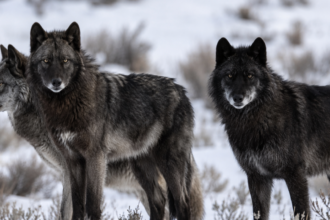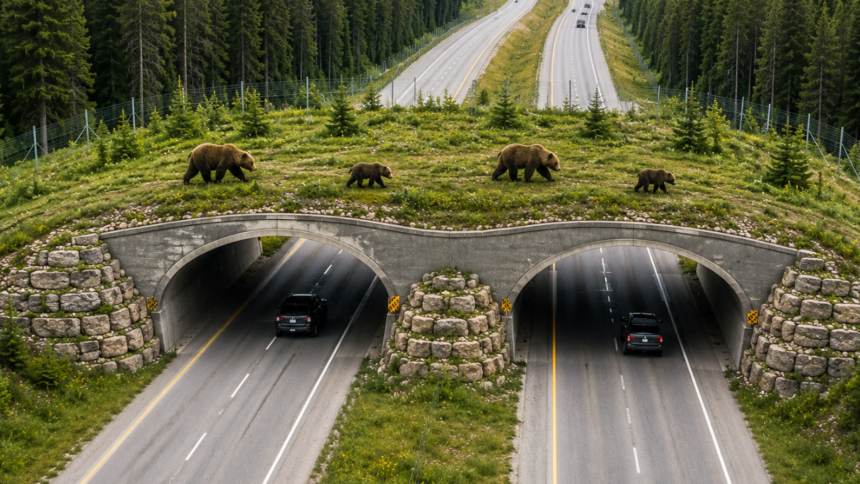
When Canadian officials first proposed building bridges for wildlife in the 1990s, the idea was met with skepticism and even ridicule. Many questioned whether wild animals would ever use specially designed crossings over one of the busiest highways in the Canadian Rockies. Critics labeled the proposal as a waste of taxpayers’ money and laughed at the idea of building bridges for animals. However, two decades later, the results are in, and they are nothing short of astonishing. Over 250,000 animals have used these bridges, and road deaths have dropped by a staggering 80%. This remarkable success story is a testament to the power of innovative thinking and a commitment to protecting the natural world.
Designing and Building the Bridges
The concept of building bridges for wildlife was first introduced in the 1990s, when Canadian officials began noticing a disturbing trend. The Trans-Canada Highway, which runs through the heart of the Canadian Rockies, was becoming a major obstacle for wildlife. Animals such as bears, wolves, and elk were being forced to cross the highway, resulting in a significant number of collisions and deaths. In response, officials decided to take a proactive approach and design a system of bridges and tunnels that would allow animals to safely cross the highway. The bridges were carefully designed to mimic the animals’ natural habitats, with features such as trees, shrubs, and rocky outcroppings.
The construction of the bridges was a complex and challenging process. Engineers had to take into account the unique needs of each species, from the width and height of the bridges to the type of materials used. The bridges also had to be designed to withstand the harsh Canadian climate, with temperatures often dropping to -40 degrees Celsius in the winter. Despite the challenges, the bridges were finally completed, and the results have been remarkable. Over 250,000 animals have used the bridges, including bears, wolves, elk, and even the occasional moose.
The Impact on Wildlife and Road Safety
The impact of the wildlife bridges on road safety has been significant. Prior to the construction of the bridges, the Trans-Canada Highway was one of the most dangerous roads in Canada, with numerous collisions between vehicles and wildlife. However, since the bridges were built, road deaths have dropped by over 80%. This reduction in collisions has not only saved the lives of countless animals but also reduced the risk of injury to human drivers. The bridges have also had a positive impact on the local ecosystem, allowing animals to roam freely and maintaining the genetic diversity of the species.
The success of the wildlife bridges has also had a positive impact on the local community. The bridges have become a popular tourist attraction, with many visitors coming to see the animals using the bridges. This has generated significant revenue for the local economy, with many businesses benefiting from the increased tourism. The bridges have also raised awareness about the importance of protecting wildlife and the need for innovative solutions to mitigate the impact of human activity on the natural world.
A Model for Conservation Efforts
The success of the wildlife bridges in Canada has made them a model for conservation efforts around the world. The bridges have demonstrated that with careful planning and design, it is possible to reduce the impact of human activity on wildlife and maintain the integrity of ecosystems. The bridges have also shown that investing in conservation efforts can have significant economic benefits, from reducing the cost of collisions to generating revenue from tourism. As the world grapples with the challenges of climate change and habitat destruction, the wildlife bridges in Canada offer a beacon of hope and a reminder that innovative thinking and a commitment to conservation can make a real difference.
The story of the wildlife bridges in Canada is a powerful reminder that even the most unlikely ideas can have a profound impact when given the chance. The critics who laughed at the idea of building bridges for animals have been proven wrong, and the results are a testament to the power of human ingenuity and the importance of protecting the natural world. As we look to the future, it is clear that the wildlife bridges in Canada will continue to inspire and inform conservation efforts around the world, and their legacy will be felt for generations to come.