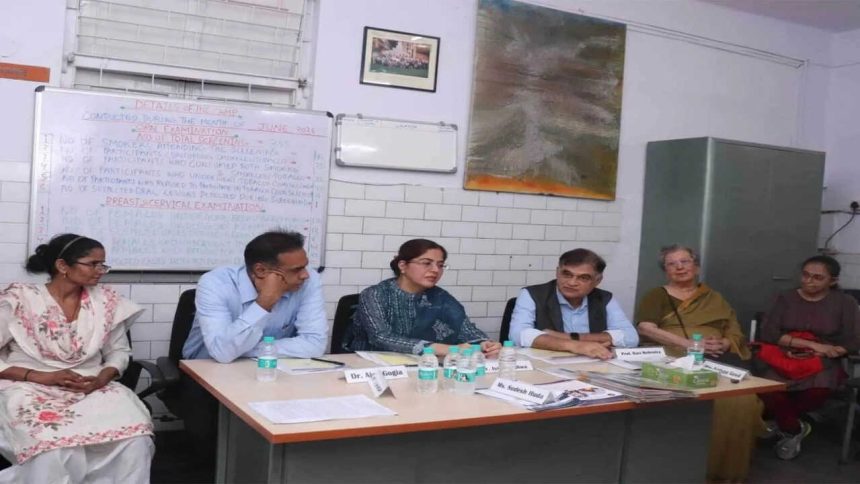
As India grapples with the rising burden of cancer, the country’s leading oncologists, cancer survivors, and public health experts are emphasizing the need for a coordinated national strategy to improve access to new cancer therapies. With scientific advances in cancer treatment unfolding at a rapid pace, the gap between breakthrough therapies and patient access has become a pressing concern, leaving many eligible patients without access to life-saving treatments. The experts stress that a well-planned national strategy is essential to ensure that the benefits of scientific progress are equitably distributed, reaching every corner of the country and every section of society.
The Current State of Cancer Care in India
The current state of cancer care in India is a mixed bag, with some of the country’s top hospitals and research institutions offering world-class treatment options, while many others struggle to provide even basic care. The lack of adequate infrastructure, trained personnel, and financial resources has resulted in a significant disparity in cancer treatment outcomes across different regions and socio-economic groups. Furthermore, the high cost of new cancer therapies, including immunotherapies and targeted therapies, has made them inaccessible to a large majority of patients, exacerbating the existing health inequities.
Experts point out that the Indian government has taken some steps to improve cancer care, including the launch of the National Cancer Control Programme and the establishment of several regional cancer centers. However, these efforts are often hindered by inadequate funding, inefficient implementation, and a lack of coordination between different stakeholders. As a result, many patients are forced to rely on private healthcare providers, which can be expensive and often unaffordable, leading to a significant financial burden on families and individuals.
Barriers to Access and the Need for a National Strategy
One of the primary barriers to access is the high cost of new cancer therapies, which can range from several lakhs to several crores of rupees per treatment cycle. Additionally, the lack of adequate health insurance coverage, coupled with the limited availability of financial assistance programs, has made it difficult for many patients to afford these treatments. Experts also highlight the need for better awareness and education about cancer, its symptoms, and treatment options, as well as the importance of early detection and diagnosis in improving treatment outcomes.
A national strategy to improve access to new cancer therapies would need to address these barriers and gaps in a comprehensive and coordinated manner. This could involve measures such as price negotiations with pharmaceutical companies, expansion of health insurance coverage, and the establishment of patient assistance programs. Furthermore, the strategy would need to prioritize the development of adequate infrastructure, including cancer diagnosis and treatment facilities, as well as the training of healthcare professionals to deliver high-quality care.
Way Forward: A Call to Action
The experts are calling upon the Indian government, healthcare providers, pharmaceutical companies, and civil society organizations to come together to develop and implement a national strategy to improve access to new cancer therapies. This would require a collaborative effort to identify the key challenges and barriers, develop effective solutions, and allocate sufficient resources to support the implementation of the strategy. By working together, India can ensure that the benefits of scientific progress in cancer treatment are equitably distributed, improving the lives of thousands of patients and families affected by this devastating disease.
As the country moves forward, it is essential to recognize that improving access to new cancer therapies is not just a matter of healthcare policy, but also a matter of social justice and human rights. Every individual deserves access to the best possible care, regardless of their socio-economic background or geographical location. By prioritizing the development of a national strategy, India can take a significant step towards bridging the gap between breakthrough cancer therapies and patient access, and ensuring that the country’s cancer patients receive the care and treatment they deserve.