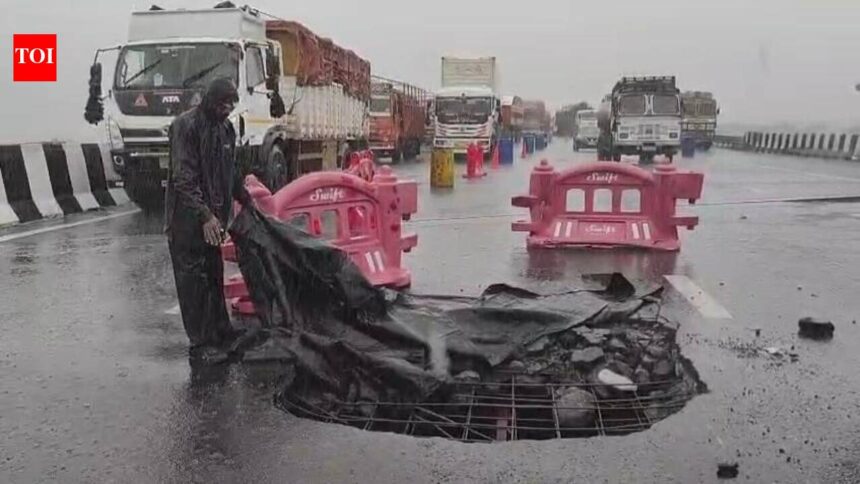
Gujarat, a state known for its thriving industrial landscape, is facing a new and unprecedented challenge: climate stress. As the world grapples with the consequences of rising temperatures, Gujarat’s manufacturing sector is bearing the brunt of climate-related disruptions. From floods to droughts, the state’s industrial hubs are struggling to stay afloat, with many businesses forced to shut down or severely curtail operations. The impact is being felt across various sectors, with the textile industry being one of the hardest hit.
Climate-Related Disruptions on the Rise
A recent study by WRI India found that a staggering 73% of textile MSMEs surveyed in Surat reported flood-related operational disruptions. The city, known for its vibrant textile industry, is no stranger to floods, but the frequency and severity of these events are increasing at an alarming rate. The study also revealed that many of these businesses are struggling to recover from the losses, with some even forced to close down permanently. The situation is equally grim in other industrial hubs, such as Ahmedabad and Vadodara, where businesses are facing disruptions due to droughts and heatwaves.
The consequences of climate stress are far-reaching, with businesses facing significant financial losses, damage to infrastructure, and a loss of livelihoods for thousands of workers. The textile industry, which is a significant contributor to Gujarat’s economy, is particularly vulnerable to climate-related disruptions. The industry’s supply chain is complex and fragmented, making it difficult for businesses to adapt to changing weather patterns. Furthermore, the lack of adequate infrastructure and resources to mitigate the effects of climate change is exacerbating the problem.
Impact on the Economy and Workers
The impact of climate stress on Gujarat’s economy cannot be overstated. The state’s industrial sector is a significant contributor to its GDP, and any disruption to this sector can have far-reaching consequences. The loss of livelihoods for thousands of workers is a major concern, with many families dependent on the income generated by these businesses. The situation is particularly dire for small and medium-sized enterprises (SMEs), which often lack the resources and infrastructure to adapt to changing weather patterns. The Gujarat government has announced several initiatives to support businesses affected by climate-related disruptions, but more needs to be done to address the root causes of the problem.
The human cost of climate stress is also significant, with many workers facing uncertainty and insecurity. The textile industry is a significant employer in Gujarat, with thousands of workers dependent on the sector for their livelihoods. The disruption to the industry is not only affecting the workers but also their families, who are often dependent on the income generated by these businesses. The situation is a stark reminder of the need for urgent action to address the climate crisis and its impact on vulnerable communities.
Way Forward
The Gujarat government and businesses must work together to address the challenge of climate stress. This requires a multi-faceted approach that includes investing in climate-resilient infrastructure, providing support to businesses affected by climate-related disruptions, and promoting sustainable practices across the industrial sector. The state government has announced several initiatives to promote sustainable development, including the creation of a climate change department and the launch of a green fund to support environmentally friendly projects. However, more needs to be done to address the scale and complexity of the problem.
As the world grapples with the consequences of climate change, Gujarat’s industrial hubs are on the frontlines of the crisis. The state’s businesses and government must work together to find solutions to the challenge of climate stress, not only to protect the economy but also to ensure the well-being of thousands of workers and their families. The situation is a stark reminder of the need for urgent action to address the climate crisis and its impact on vulnerable communities. The future of Gujarat’s industrial sector depends on it, and the time to act is now.