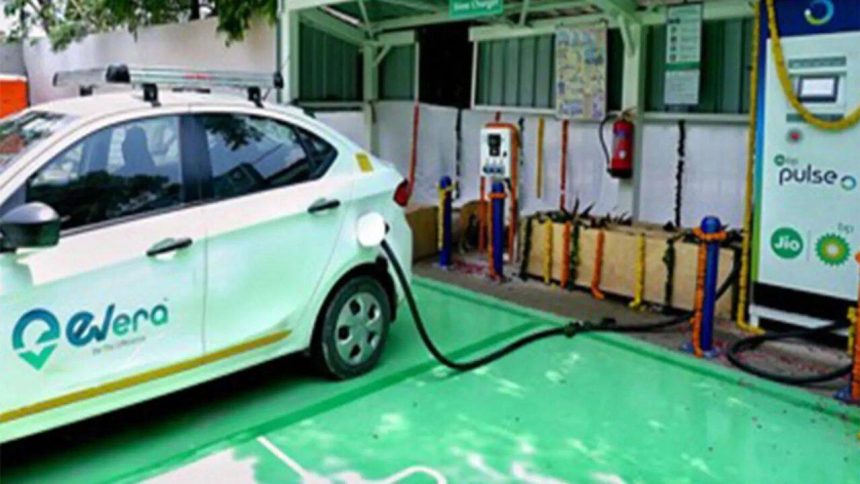
The Indian government’s push for electric vehicles has gained significant momentum with Delhi’s newly notified Electric Vehicle Policy 2026. This policy aims to speed up the transition to cleaner mobility, but the bigger challenge for automobile manufacturers may arise if similar policies are adopted by other states. As the country’s capital sets the pace for a greener future, the automotive industry is bracing itself for a potential paradigm shift that could have far-reaching consequences.
Economic Implications
The Delhi government’s EV policy is designed to encourage the adoption of electric vehicles by offering various incentives, including subsidies and tax breaks. While this may boost sales of electric vehicles in the short term, the long-term economic implications of such a policy are still unclear. If other states follow suit, the automotive industry could face significant disruption, particularly if manufacturers are forced to adapt their production lines to meet the new demand for electric vehicles. This could lead to substantial investments in new technology and infrastructure, potentially affecting the bottom line of companies.
The economic implications of Delhi’s EV policy extend beyond the automotive industry. The shift to electric vehicles could also have a significant impact on the energy sector, as the demand for electricity to power these vehicles increases. This could lead to new opportunities for companies involved in renewable energy, but it also poses challenges for the existing power grid infrastructure. As the country’s energy needs continue to evolve, the government will need to ensure that the necessary infrastructure is in place to support the growth of electric vehicles.
Environmental Benefits
One of the primary drivers behind Delhi’s EV policy is the need to reduce air pollution in the city. The transportation sector is a significant contributor to pollution, and electric vehicles offer a cleaner alternative to traditional fossil fuel-powered vehicles. If other states adopt similar policies, the environmental benefits could be substantial, with the potential to reduce greenhouse gas emissions and improve air quality across the country. However, the production of electric vehicles also has environmental implications, including the extraction of raw materials and the disposal of batteries.
The environmental benefits of Delhi’s EV policy are closely tied to the economic implications. As the demand for electric vehicles increases, companies will need to invest in sustainable production methods and develop strategies for recycling and disposing of batteries. This could lead to new opportunities for companies involved in sustainable technologies, but it also poses challenges for the existing supply chain. As the country’s automotive industry continues to evolve, the government will need to ensure that the necessary regulations are in place to support the growth of electric vehicles while minimizing their environmental impact.
National Implications
If Delhi’s EV policy is adopted by other states, it could have significant implications for the country’s automotive industry. The shift to electric vehicles could lead to job losses in traditional manufacturing, but it could also create new opportunities in areas such as battery production and electric vehicle maintenance. The government will need to develop strategies to support workers who may be displaced by the shift to electric vehicles, including training programs and education initiatives.
The national implications of Delhi’s EV policy extend beyond the automotive industry. The shift to electric vehicles could also have a significant impact on the country’s energy sector, as the demand for electricity to power these vehicles increases. This could lead to new opportunities for companies involved in renewable energy, but it also poses challenges for the existing power grid infrastructure. As the country’s energy needs continue to evolve, the government will need to ensure that the necessary infrastructure is in place to support the growth of electric vehicles. The Indian government’s push for electric vehicles has the potential to spark a national shift towards cleaner mobility, but it will require careful planning and coordination to ensure a smooth transition.