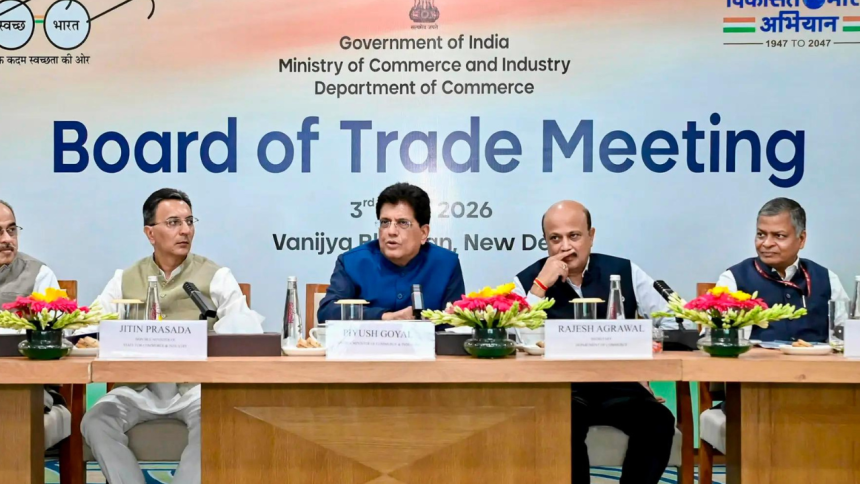
As the country continues to navigate the complexities of a rapidly evolving global economy, India’s trade sector is poised to play a pivotal role in driving growth and prosperity. At a recent Board of Trade Meeting, Union Minister of Commerce & Industry Piyush Goyal set forth an ambitious goal for India’s exports, aiming to reach a staggering $1 trillion by the end of the current fiscal year (FY26). This target, representing a significant increase from last year’s $863 billion in exports, is a testament to the government’s commitment to bolstering India’s trade prowess and cementing its position as a major player in the global economy.
The Rise of Merchandise and Services Trade
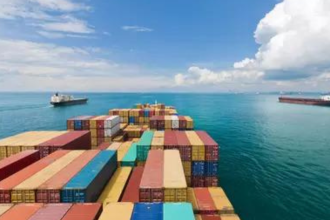
India’s merchandise trade, which includes exports of goods such as textiles, electronics, and pharmaceuticals, has seen significant growth in recent years. The country’s strategic location and large consumer base have made it an attractive destination for international trade, with exports to countries like the United States, China, and the European Union witnessing a notable surge. Moreover, the government’s initiatives to promote ‘Make in India’ and ‘Ease of Doing Business’ have facilitated the growth of domestic industries, leading to increased exports of manufactured goods. The services trade, which encompasses sectors such as information technology, tourism, and financial services, has also recorded impressive growth, with India emerging as a major hub for outsourcing and business process management.
The government’s efforts to promote exports have been complemented by the growth of e-commerce, which has enabled businesses to reach a wider customer base and facilitated the sale of Indian products globally. Additionally, initiatives such as the ‘Foreign Trade Policy’ and the ‘Trade Infrastructure and Logistics Fund’ have aimed to improve the country’s trade infrastructure and reduce logistics costs, making India a more attractive destination for international trade.
Challenges and Opportunities
While India’s export ambitions are certainly commendable, the road ahead is not without its challenges. The country faces intense competition from other major trading nations, and rising protectionism in key markets poses a significant threat to its exports. Furthermore, the ongoing global economic uncertainty and the COVID-19 pandemic have created significant headwinds for international trade. However, the government’s focus on promoting exports and improving trade infrastructure presents a unique opportunity for Indian businesses to tap into the growing global demand for goods and services.
Indian entrepreneurs and exporters will need to adapt to changing market conditions and leverage emerging trends such as digitalization and sustainability to remain competitive. The government’s initiatives to promote exports, coupled with the growth of e-commerce and the country’s strategic location, provide a strong foundation for India to achieve its export targets and cement its position as a major player in the global economy.
A New Era for Indian Trade
The ambitious goal of reaching $1 trillion in exports by FY26 is a testament to the government’s commitment to driving growth and prosperity through trade. As India continues to navigate the complexities of the global economy, the country’s trade sector is poised to play a pivotal role in driving economic growth and creating new opportunities for businesses and entrepreneurs. The government’s initiatives to promote exports and improve trade infrastructure have presented a unique opportunity for Indian businesses to tap into the growing global demand for goods and services, marking a new era for Indian trade.
In the coming months, Indian exporters will need to remain vigilant and adapt to changing market conditions to achieve the government’s ambitious target. With the right strategies and support from the government, India’s trade sector is poised to achieve new heights and cement the country’s position as a major player in the global economy.