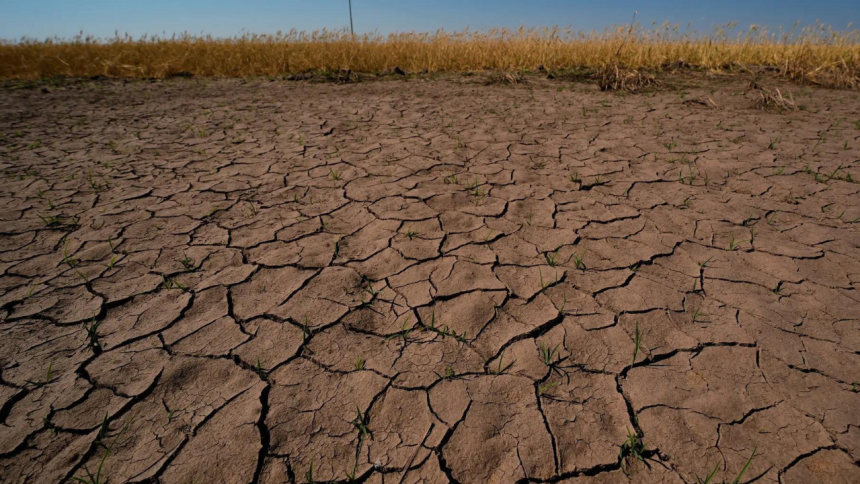
The world is bracing for a prolonged and severe monsoon season as the World Meteorological Organisation (WMO) issues a stark warning of rapid El Nino development from July to September. This climatic phenomenon is expected to unleash a multitude of extreme weather events, including scorching heat waves, devastating droughts, and torrential downpours, affecting countless communities worldwide, including those in the Indian subcontinent.
The WMO’s latest update paints a dire picture of a potentially catastrophic consequence of El Nino, with far-reaching implications for agriculture, water resources, and human well-being. As the global weather pattern continues to evolve, nations are being urged to take proactive measures to mitigate the effects of this phenomenon, which has been linked to severe weather events in the past. The Indian government, in particular, has acknowledged the urgency of the situation and has begun reviewing the rainfall deficit to devise strategies for coping with the impending drought.
Climate Crisis Deepens: El Nino’s Impact on Indian Subcontinent
The Indian subcontinent is particularly vulnerable to the impacts of El Nino, with the country’s agriculture sector already reeling from a prolonged rainfall deficit. The prolonged drought has led to crop failures, water scarcity, and a significant decline in agricultural productivity. The Indian Meteorological Department (IMD) has reported that several parts of the country are experiencing below-average rainfall, exacerbating the situation. As El Nino’s grip tightens, the IMD is predicting a heightened risk of heat waves, which could have disastrous consequences for the country’s vulnerable populations, such as the elderly and children.
The government has been put on high alert, with officials scrambling to assess the situation and develop contingency plans to mitigate the effects of El Nino. However, experts warn that the window of opportunity for action is rapidly closing, and immediate measures are needed to prevent a humanitarian crisis. The government has also been urged to invest in climate-resilient infrastructure and provide support to affected communities to help them adapt to the changing climate.
Global Consequences of El Nino: A Growing Concern
The impact of El Nino is not limited to the Indian subcontinent; it has far-reaching implications for the global community. The phenomenon has been linked to severe weather events, including hurricanes, wildfires, and floods, which can have devastating consequences for human populations and the environment. The WMO has warned that El Nino’s intensification could lead to a significant increase in extreme weather events, displacing millions of people and causing widespread damage to infrastructure and economies.
The United Nations has also sounded the alarm, urging nations to take immediate action to address the climate crisis. The UN’s Secretary-General has called for a global commitment to transition to renewable energy sources, reduce greenhouse gas emissions, and invest in climate-resilient infrastructure to mitigate the effects of extreme weather events. As the world grapples with the consequences of El Nino, it is clear that collective action is necessary to prevent a climate catastrophe.
Time to Act: A Call to Action
The warning signs are clear: El Nino’s intensification poses a significant threat to global stability, human well-being, and the environment. It is imperative that governments, international organizations, and civil society come together to address the climate crisis. The window of opportunity for action is rapidly closing, and immediate measures are needed to prevent a humanitarian crisis. The world must act now to mitigate the effects of El Nino and ensure a sustainable future for generations to come.
As the situation continues to unfold, it is essential that we remain vigilant and proactive in our response to the climate crisis. The consequences of inaction are too dire to ignore, and it is our collective responsibility to act now and ensure a safer, more sustainable world for all.