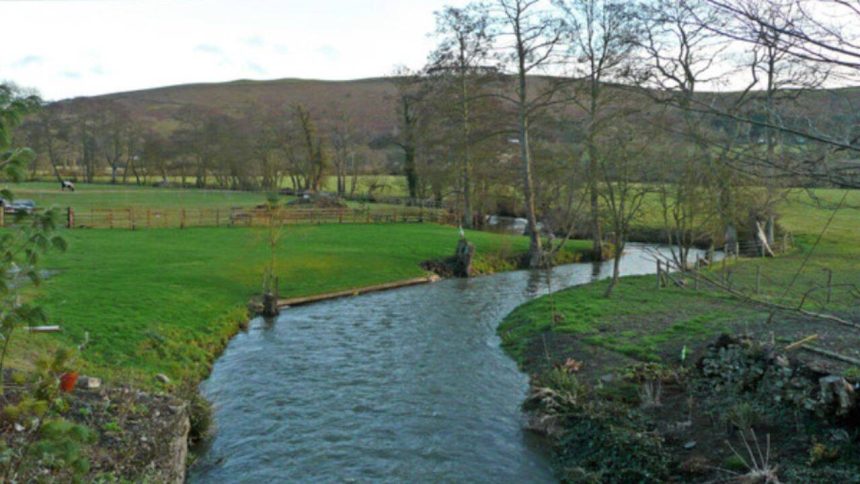
A centuries-old intervention in the natural course of England’s River Kemp has been reversed, as a recent project has successfully ‘re-wiggled’ the waterway, restoring its original meandering path. The river, which was straightened in the 1800s to facilitate agricultural development and improve navigation, had been kept within bounds for over 100 years. This alteration had a profound impact on the local ecosystem, causing a decline in biodiversity and disrupting the natural habitats of various species. The reversal of this process is expected to have a positive effect on the environment, allowing wildlife to return and thrive in the area.
History of the River Kemp
The River Kemp, which flows through the picturesque English countryside, was once a haven for wildlife, with its winding course and oxbow lakes providing a unique and diverse habitat for numerous species. However, in the 19th century, the river was straightened to increase the efficiency of agricultural production and to improve navigation. This alteration, while beneficial for human activities, had a devastating impact on the local ecosystem, causing the loss of habitats and the decline of many species that once called the river home.
The straightening of the River Kemp was a common practice during the Industrial Revolution, as the need for efficient agricultural production and transportation grew. Many rivers in England were altered during this period, resulting in the loss of biodiversity and the degradation of ecosystems. The River Kemp, however, is one of the first to be restored to its natural state, providing a unique opportunity for scientists to study the effects of such a restoration on the local ecosystem.
Restoration Efforts
The restoration of the River Kemp was a complex and challenging process, requiring the collaboration of numerous stakeholders, including local authorities, conservation organizations, and landowners. The project involved the creation of a new, meandering course for the river, which was designed to mimic the natural path of the waterway. The new course was constructed using a combination of natural and artificial materials, including soil, gravel, and stone.
The restoration of the River Kemp is expected to have a significant impact on the local ecosystem, allowing wildlife to return and thrive in the area. The creation of a new, meandering course for the river will provide a unique and diverse habitat for numerous species, including fish, birds, and insects. The project is also expected to improve water quality, reduce the risk of flooding, and enhance the aesthetic value of the area, making it a popular destination for tourists and outdoor enthusiasts.
Future Prospects
The restoration of the River Kemp is a significant step towards the preservation of England’s natural heritage, and it is expected to serve as a model for similar projects in the future. The project demonstrates the importance of preserving and restoring natural ecosystems, and it highlights the need for sustainable and environmentally-friendly practices in agriculture and conservation. As the River Kemp continues to evolve and mature, it is likely to become a thriving and diverse ecosystem, supporting a wide range of plant and animal species.
The restoration of the River Kemp is a testament to the power of human ingenuity and the importance of preserving the natural world. As we look to the future, it is essential that we continue to prioritize the preservation of our natural heritage, and that we work to restore and protect ecosystems that have been damaged or degraded. The River Kemp is a shining example of what can be achieved through determination, collaboration, and a commitment to the environment, and it is a beacon of hope for a more sustainable and environmentally-friendly future.