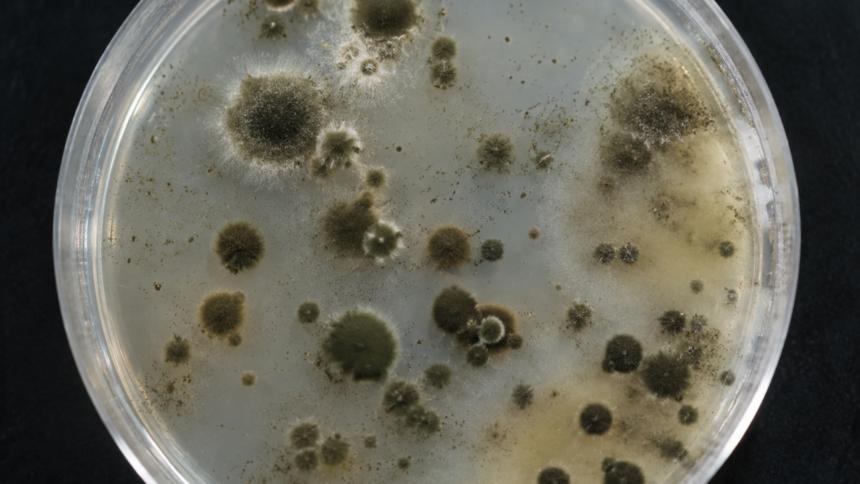
The catastrophic Chornobyl nuclear disaster of 1986 left an enduring legacy of devastation, with a vast exclusion zone still largely uninhabitable due to lethal radiation levels. Yet, amidst this bleak landscape, a peculiar phenomenon has emerged, captivating the imagination of scientists worldwide. A unique species of fungus, capable of not only surviving but thriving in the radioactive environment, has been discovered, sparking hopes of revolutionary breakthroughs in medicine and beyond.
Uncovering the Fungus’s Secrets
Research into this extraordinary organism has revealed its remarkable ability to harness the power of radiation, using it to stimulate growth and even repair damaged DNA. This extraordinary capacity has significant implications for the development of new treatments for radiation exposure, potentially saving countless lives in the event of future nuclear accidents or for individuals undergoing radiation therapy for cancer. Scientists are eagerly exploring the fungus’s potential to yield innovative solutions for protecting both humans and the environment from the harmful effects of radiation.
Further investigation into the fungus’s genetic makeup and behavior has also shed light on its remarkable resilience. By understanding the mechanisms that allow this organism to flourish in conditions that would be fatal to nearly all other forms of life, researchers aim to uncover new avenues for the development of radiation-resistant crops and microorganisms. Such discoveries could have a profound impact on agriculture and biotechnology, enabling the cultivation of food in areas previously deemed uninhabitable due to high levels of radiation.
Implications for Space Exploration
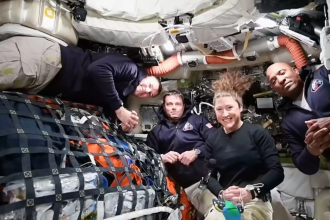
The study of Chornobyl’s radioactive fungus also holds profound implications for future space missions. As humans prepare to venture further into the cosmos, the need for effective protection against the harsh radiation of space becomes increasingly pressing. By unraveling the secrets of this fungus’s radiation resistance, scientists may uncover novel strategies for safeguarding both crew members and electronic equipment from the damaging effects of cosmic radiation. This could prove pivotal in enabling longer, safer missions to destinations such as Mars, where the risks associated with radiation exposure are particularly high.
The potential applications of this research extend even further, with possibilities for the development of new materials and technologies that could provide enhanced radiation shielding for spacecraft and habitats. As space agencies and private companies like SpaceX and Blue Origin push the boundaries of space travel, the discovery of Chornobyl’s resilient fungus could play a crucial role in overcoming one of the most significant challenges to deep space exploration: the dangers posed by radiation.
A New Frontier in Medicine and Space
The discovery of this extraordinary fungus has opened up new avenues of research, with scientists from diverse disciplines coming together to explore its potential applications. From the development of novel treatments for radiation exposure to the creation of radiation-resistant materials for space exploration, the implications of this find are far-reaching and profound. As researchers continue to unravel the mysteries of Chornobyl’s radioactive fungus, they are poised on the threshold of a new frontier in medicine and space exploration, one that promises to yield groundbreaking discoveries and push the boundaries of human knowledge.
As the world continues to grapple with the challenges of nuclear safety and space exploration, the humble fungus thriving in the ruins of Chornobyl stands as a testament to the awe-inspiring resilience of life. Its discovery serves as a powerful reminder of the vast, unexplored potential that lies at the intersection of nature and technology, waiting to be unlocked by human ingenuity and curiosity. As scientists press forward in their quest to understand and harness the power of this extraordinary organism, they may yet uncover the key to a safer, more sustainable future for generations to come.