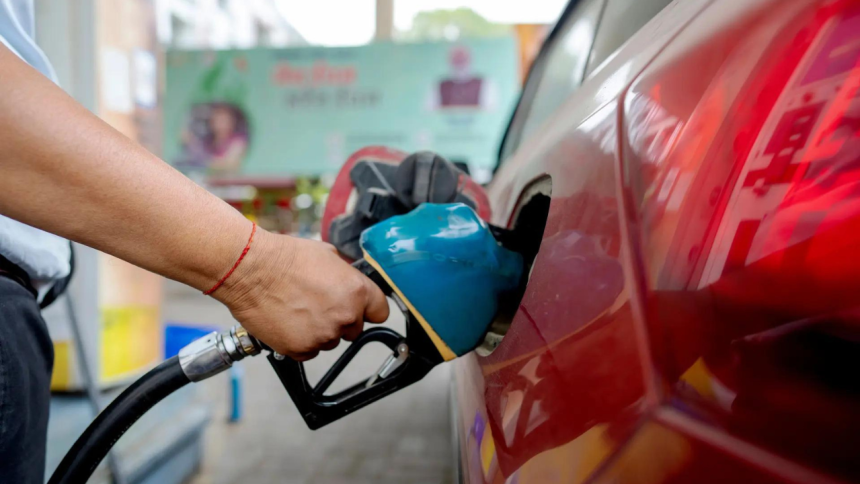
The Indian government’s move to introduce 20% ethanol blending in petrol has sparked intense debate, with many questioning the potential damage to vehicle engines. However, vehicle manufacturers have come to the government’s defence, stating that there is no evidence of engine damage due to the use of E20 petrol. While they did acknowledge a 3-3.5% drop in fuel efficiency in pre-2023 vehicles, they attributed this to the lower calorific value of E20 petrol. This clarification is likely to provide some relief to the government, which has been facing backlash over the introduction of E20 petrol.
E20 Petrol: Understanding The Impact
The introduction of E20 petrol is part of the government’s efforts to reduce the country’s reliance on fossil fuels and promote the use of alternative energy sources. Vehicle manufacturers have been working closely with the government to ensure a smooth transition to E20 petrol, and their statement is likely to alleviate concerns among vehicle owners. The manufacturers’ assertion that there is no evidence of engine damage due to E20 petrol is based on extensive testing and research, which has shown that vehicles can run safely on the new fuel blend.
However, the drop in fuel efficiency is a concern that vehicle owners will need to contend with. The 3-3.5% reduction in mileage may not seem significant, but it can add up over time, especially for those who use their vehicles extensively. Vehicle manufacturers have advised owners to monitor their fuel consumption and adjust their driving habits accordingly. Additionally, the government has announced plans to incentivize the production and use of E20 petrol, which is expected to help offset the increased cost of fuel.
Government’s Strategy: Promoting Alternative Energy
The government’s decision to introduce E20 petrol is part of a broader strategy to promote the use of alternative energy sources and reduce the country’s carbon footprint. The use of ethanol in petrol is expected to reduce greenhouse gas emissions and help mitigate the impact of climate change. The government has set ambitious targets for the use of alternative energy sources, and the introduction of E20 petrol is a significant step towards achieving these goals.
The government’s efforts to promote alternative energy have been welcomed by environmental groups and industry stakeholders, who see this as a crucial step towards reducing the country’s reliance on fossil fuels. However, there are also concerns about the impact of E20 petrol on food security, as ethanol is typically produced from food crops such as sugarcane and maize. The government will need to balance these competing interests and ensure that the production of ethanol does not compromise food security.
Way Forward: Addressing Concerns And Promoting Sustainability
As the country transitions to E20 petrol, it is essential to address the concerns of vehicle owners and promote sustainability. The government and vehicle manufacturers will need to work together to educate owners about the benefits and limitations of E20 petrol and provide guidance on how to optimize fuel efficiency. Additionally, the government will need to invest in infrastructure to support the production and distribution of E20 petrol, including the development of ethanol production facilities and fueling stations.
The introduction of E20 petrol is a significant step towards promoting sustainability and reducing the country’s reliance on fossil fuels. While there are challenges to be addressed, the benefits of E20 petrol, including reduced greenhouse gas emissions and improved energy security, make it an essential part of the country’s energy strategy. As the country continues to transition to E20 petrol, it is likely that we will see further innovations and investments in alternative energy sources, which will help to drive growth and promote sustainability.