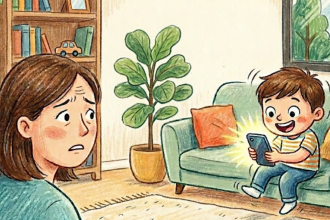
As parents, we often find ourselves wondering what’s going on inside our children’s minds, especially when they’re struggling to express their emotions. The truth is, kids don’t always have the words to tell us what they need or how they’re feeling, and that’s completely normal. Psychologists say that a child’s emotional vocabulary develops gradually, which means many of their deepest needs are expressed quietly rather than directly. This can lead to frustration and confusion for both parents and children, but by understanding what our kids wish we knew, we can build stronger, more supportive relationships with them.
Understanding the Unspoken
So, what do children secretly wish their parents knew? For starters, they wish we could understand that their feelings are real, even if they can’t always explain them. They wish we could see that their tantrums and meltdowns are often a result of feeling overwhelmed, not just because they’re being stubborn or difficult. They also wish we could recognize that they’re still learning to regulate their emotions and that they need our patience and guidance to develop this skill. By acknowledging and validating their feelings, we can help our kids feel heard and understood, which can go a long way in reducing conflicts and strengthening our bond with them.
Another thing children wish their parents knew is that they need quality time with us, doing things they enjoy. This can be as simple as playing a game together, going for a walk, or having a conversation about their interests. By making time for these activities, we can show our kids that we value and appreciate them, which can help boost their self-esteem and confidence. Additionally, children wish we could see things from their perspective, to understand what they’re going through and how they’re feeling. This can be challenging, especially when we’re busy or stressed, but by making an effort to put ourselves in their shoes, we can build empathy and understanding.
Communication and Emotional Intelligence
Children also wish their parents could communicate more effectively with them, listening to what they have to say without interrupting or judging. They wish we could ask open-ended questions that encourage them to share their thoughts and feelings, and that we could provide feedback that’s constructive and supportive. By doing so, we can help our kids develop their emotional intelligence, which is critical for their social, emotional, and academic success. Emotional intelligence refers to the ability to recognize and understand emotions in oneself and others, and to use this awareness to guide thought and behavior.
Furthermore, children wish we could help them develop problem-solving skills, teaching them how to approach challenges and setbacks in a positive and constructive way. They wish we could model healthy coping mechanisms, such as deep breathing, exercise, or talking about our feelings, and that we could provide opportunities for them to practice these skills. By doing so, we can help our kids build resilience and develop a growth mindset, which can serve them well throughout their lives. Children also wish we could be more consistent in our discipline and boundaries, providing clear expectations and consequences while also being flexible and understanding when needed.
Building a Stronger Relationship
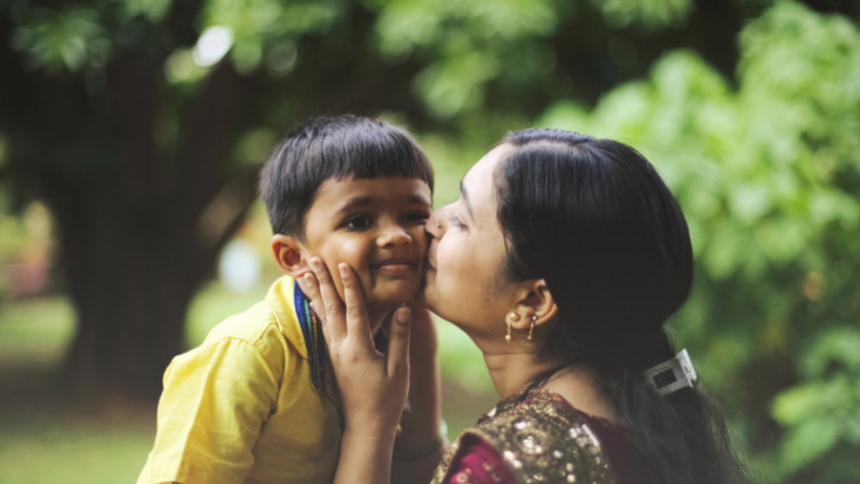
Finally, children wish their parents could show them physical affection and love, such as hugs, kisses, and cuddles. They wish we could tell them how much we love and appreciate them, and that we could make time for regular family activities and traditions. By doing so, we can build a stronger, more loving relationship with our kids, one that’s based on mutual respect, trust, and communication. Children thrive on routine and predictability, so establishing regular family rituals, such as having dinner together or reading a bedtime story, can provide a sense of security and stability.
By understanding what our kids wish we knew, we can take the first step towards building a more supportive and loving relationship with them. It’s not always easy, and we’ll inevitably make mistakes along the way, but by being patient, empathetic, and communicative, we can help our children feel seen, heard, and understood. As they grow and develop, they’ll face new challenges and struggles, but with a strong foundation of love, support, and guidance, they’ll be better equipped to navigate the ups and downs of life. By being the parents our kids need us to be, we can help them become happy, healthy, and well-adjusted adults, and that’s the greatest gift we can give them.