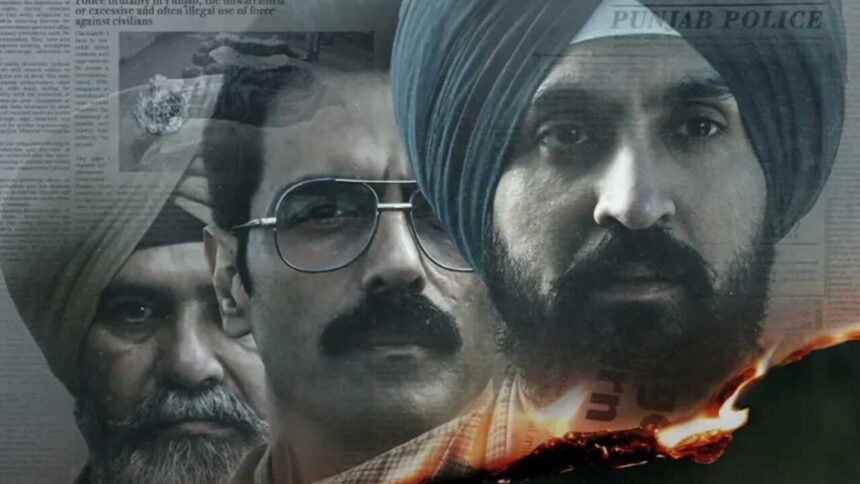
The long-awaited streaming debut of Diljit Dosanjh’s powerful drama ‘Satluj’ has been met with a jarring reality check, as the film has been abruptly removed from Indian OTT platforms, including ZEE5. The decision has left fans and industry insiders stunned, and raises important questions about the complexities of censorship and creative freedom in India’s film industry. In a bizarre turn of events, the film, originally titled ‘Punjab 95’, had finally reached audiences after years of delays and a high-profile standoff with the Central Board of Film Certification (CBFC), only to be pulled from streaming services without warning.
Background and Inspiration
‘Satluj’ is a biographical drama inspired by the life of Jaswant Singh Khalra, a human rights activist who fought against forced cremations of Sikhs by the Indian government during the 1980s. Khalra’s tireless efforts to expose the truth led to his own tragic demise, and his legacy has continued to inspire artists and activists alike. The film’s powerful narrative and impactful performances had been widely anticipated, and its removal from streaming platforms has left many wondering about the motivations behind this decision.
The CBFC had previously raised concerns about the film’s content, citing issues related to the depiction of Sikhs and the Indian government’s actions during the 1980s. However, the film’s director and star, Diljit Dosanjh, had maintained that the film was a tribute to Khalra’s courage and sacrifice, and not intended to provoke or offend. The sudden removal of the film from streaming services has sparked widespread debate about the role of censorship in India’s film industry, and the need for greater transparency and accountability in the decision-making process.
Impact on Diljit and the Industry
For Diljit Dosanjh, the removal of ‘Satluj’ from streaming platforms is a significant setback, both personally and professionally. The actor has been vocal about his commitment to telling powerful stories that reflect the complexities and challenges faced by India’s diverse communities. The success of ‘Satluj’ had been seen as a major milestone in his career, and its removal has left him and his fans feeling disappointed and frustrated.
The removal of ‘Satluj’ also raises important questions about the impact of censorship on the film industry as a whole. With the rise of OTT platforms and digital streaming, the boundaries between mainstream and art-house cinema are becoming increasingly blurred. However, the decision to remove ‘Satluj’ from streaming services highlights the ongoing challenges faced by filmmakers and producers in navigating the complex web of censorship and regulatory frameworks in India.
The Future of Creative Expression
As the debate around ‘Satluj’ continues to unfold, it is clear that the issues at stake are far more complex and nuanced than a simple case of censorship. The removal of the film from streaming platforms has sparked a wider conversation about the need for greater freedom of expression and creative autonomy in India’s film industry. As the industry continues to evolve and adapt to the changing landscape of digital media, it is essential that we prioritize the protection of artistic freedom and the right to tell powerful, thought-provoking stories that reflect the complexities and challenges of our time.
The removal of ‘Satluj’ from Indian OTT platforms serves as a stark reminder of the ongoing challenges faced by filmmakers and artists in India. As we navigate the complexities of censorship and creative freedom, we must prioritize the protection of artistic expression and the right to tell powerful stories that reflect the diversity and richness of our communities. Only through this commitment can we ensure that the film industry continues to thrive and evolve, reflecting the changing needs and aspirations of India’s rapidly growing audiences.