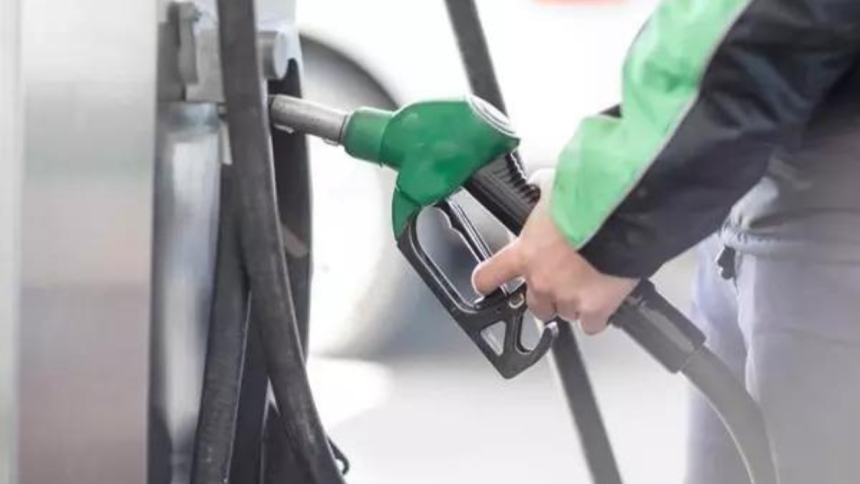
The Indian government’s push for a mandatory 20% blending of ethanol in petrol, known as E20, has sparked a heated debate among automobile manufacturers and owners. The move, aimed at reducing the country’s dependence on fossil fuels and mitigating climate change, has raised concerns about its effects on vehicles manufactured before April 2023. As the controversy surrounding E20 gains momentum, it’s essential to separate fact from fiction and understand the implications of this policy on the automotive industry.
Understanding E20 and its Benefits
The concept of blending ethanol with petrol is not new, and many countries have already adopted this practice to reduce their carbon footprint. Ethanol is a biofuel that can be produced from various sources, including sugarcane, corn, and wheat. Blending 20% ethanol with petrol can help decrease greenhouse gas emissions, improve air quality, and enhance energy security. Moreover, ethanol is a renewable energy source, which can help reduce the country’s reliance on imported fossil fuels.
However, the benefits of E20 are not limited to environmental advantages. Ethanol blending can also help boost the rural economy, as it can be produced from agricultural waste and other biomass materials. This can create new employment opportunities and increase farmers’ income. Additionally, E20 can help reduce the burden on the country’s foreign exchange reserves, as it can substitute a significant portion of imported petroleum products.
Addressing Concerns about Mileage Loss and Engine Damage
One of the primary concerns surrounding E20 is its potential impact on vehicle mileage and engine performance. Some automobile manufacturers have claimed that E20 can lead to a significant reduction in fuel efficiency, which can result in increased fuel costs for vehicle owners. However, experts argue that the mileage loss associated with E20 is relatively minimal, and it can be mitigated by adjusting the vehicle’s engine settings and using compatible fuel injectors.
Another concern is the potential damage to engines and fuel systems due to the corrosive properties of ethanol. However, most modern vehicles are designed to handle ethanol blends, and the risk of engine damage is relatively low. Moreover, automobile manufacturers can take measures to modify their vehicles to make them compatible with E20, such as using corrosion-resistant materials and adjusting the fuel system design.
What’s Next for E20 in India
Despite the concerns and controversy surrounding E20, the Indian government is determined to implement the mandatory 20% ethanol blending policy. The government has set a target to achieve 20% ethanol blending in petrol by 2025, and it’s working closely with automobile manufacturers and oil marketing companies to ensure a smooth transition. The government has also announced incentives for automobile manufacturers that produce E20-compatible vehicles, such as tax exemptions and subsidies.
As the debate surrounding E20 continues, it’s essential for all stakeholders to work together to address the concerns and challenges associated with this policy. By doing so, India can reduce its dependence on fossil fuels, mitigate climate change, and create a more sustainable and environmentally friendly transportation system. The success of E20 in India can also serve as a model for other countries to adopt similar policies and reduce their carbon footprint.