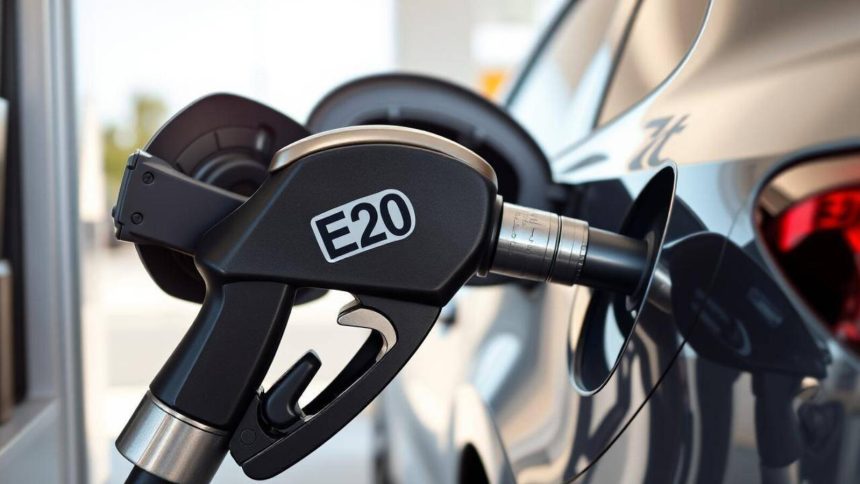
In a shocking revelation that has sent shockwaves through the automotive world, a previously unpublished report by the Automotive Research Association of India (ARAI) has raised serious concerns about the use of E20 fuel in vehicles compliant with E10 fuel standards. The report, which has sparked intense debate among industry experts and motorists alike, highlights the potential for E20 fuel to damage rubber parts in fuel-system components.
Causing Deterioration in Fuel-System Components
The study found that using E20 fuel in E10-compliant vehicles resulted in noticeable deterioration in rubber parts such as hoses, gaskets, seals, and O-rings. These components are critical to the proper functioning of a vehicle’s fuel system, and their degradation can lead to costly repairs, reduced fuel efficiency, and compromised safety. Furthermore, the report suggests that the use of E20 fuel may also accelerate the aging process of these components, potentially shortening their lifespan and requiring premature replacement.
While the exact mechanisms behind this phenomenon are not fully understood, researchers believe that the higher ethanol content in E20 fuel may be the primary culprit. Ethanol, a common additive in biofuels, can react with the rubber compounds used in fuel-system components, causing them to break down and degrade over time. This can lead to a range of problems, from minor issues like reduced fuel pressure to more serious concerns like fuel leaks and engine damage.
The Need for Caution and Regulation
As the use of E20 fuel becomes more widespread, there is a growing need for caution and regulation to mitigate its potential risks. The ARAI report highlights the importance of ensuring that vehicles are designed and certified to handle the higher ethanol content of E20 fuel. This may involve implementing new standards and tests to evaluate the compatibility of vehicles with E20 fuel, as well as providing clear guidelines for vehicle manufacturers and consumers.
Additionally, the report suggests that the automotive industry should consider developing specialized fuel-system components that are resistant to the degradation caused by E20 fuel. This could involve the use of new materials or coatings that are more resilient to ethanol exposure, or the development of more advanced manufacturing techniques that can create components with enhanced durability.
A Wake-Up Call for the Automotive Industry
The ARAI report is a wake-up call for the automotive industry, highlighting the need for greater caution and vigilance in the development and deployment of biofuels like E20. As the world continues to grapple with the challenges of climate change and energy security, the use of biofuels is likely to become increasingly important. However, this must be done in a way that prioritizes safety, environmental sustainability, and the well-being of consumers.
The use of E20 fuel in E10-compliant vehicles is a complex issue that requires careful consideration and regulation. As the situation continues to unfold, one thing is clear: the automotive industry must take proactive steps to address the potential risks associated with E20 fuel and ensure that vehicles are designed and certified to handle the demands of this new fuel standard.
Ultimately, the future of E20 fuel and its compatibility with E10-compliant vehicles will depend on the collective efforts of industry stakeholders, policymakers, and consumers. By working together, we can create a safer, more sustainable, and more environmentally friendly automotive industry for everyone.