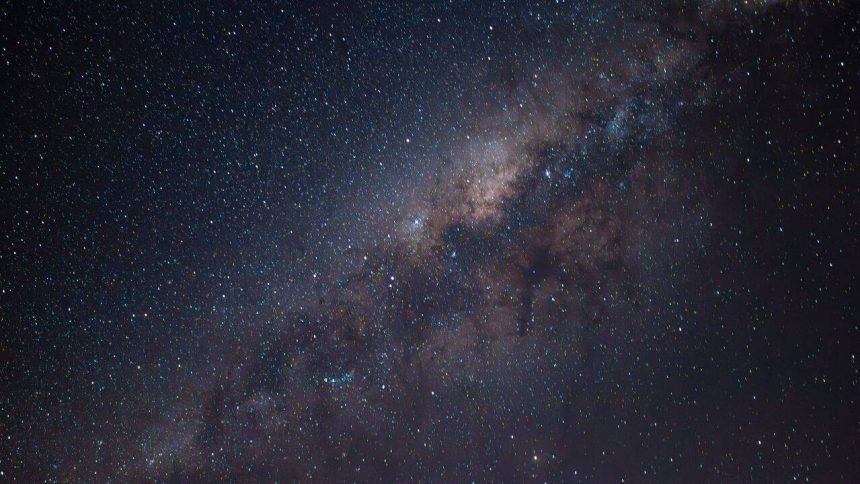
The star-studded expanse of the Milky Way has long been a source of fascination for humanity, yet for many of us, it remains a fleeting glimpse in a photograph or a distant memory from a trip to a remote location. Under the blanket of urban skies, the galaxy’s ethereal glow is often drowned out by the harsh glare of artificial lighting, leaving only the brightest stars visible in the night sky. But what if we told you that it’s possible to witness the Milky Way’s majestic splendor with your own eyes, right from the comfort of your own backyard or a nearby dark-sky preserve?
Find Your Dark Sky Haven
Dark skies are the key to unlocking the Milky Way’s full glory, and NASA has shared some valuable tips to help you find and preserve these precious areas. Start by heading to the National Park Service’s Dark Skies website, which offers a comprehensive list of dark-sky preserves and parks across the United States. These protected areas are perfect for stargazing, with minimal light pollution to interfere with your view. You can also use NASA’s Dark Sky Finder tool to locate nearby dark-sky preserves and plan your stargazing adventure.
But dark skies aren’t just limited to national parks and preserves. Many communities are working to reduce light pollution and create their own dark-sky sanctuaries. Look for local organizations or initiatives that are dedicated to preserving the night sky and promoting stargazing in your area. These groups often offer guided tours, viewing events, and educational programs to help you make the most of your dark sky experience.
Timing is Everything
While it’s true that the Milky Way is visible throughout the year, the best time to witness its splendor depends on your location and the time of year. In the Northern Hemisphere, the Milky Way is highest in the sky around midnight in July, making it an ideal time for stargazing. However, even in the summer months, the Milky Way’s visibility can be affected by weather conditions, moon phase, and light pollution.
To increase your chances of spotting the Milky Way, try to plan your stargazing adventure on a clear, moonless night. The darker the sky, the more stars you’ll be able to see, and the more dramatic the Milky Way will appear. You can use a moon phase calendar to plan your stargazing sessions, and check the weather forecast beforehand to ensure a clear and cloudless sky.
Optimize Your Viewing Experience
Once you’ve found your dark sky haven and timed your stargazing adventure perfectly, it’s time to optimize your viewing experience. Start by finding a comfortable and stable viewing spot, away from any artificial light sources. Bring along a pair of binoculars or a telescope to get a closer look at the Milky Way’s stunning details. If you’re using a smartphone or camera to capture the moment, consider investing in a wide-angle lens or a camera with low-light sensitivity.
Finally, remember to give your eyes time to adjust to the dark. It can take up to 20 minutes for your eyes to fully adapt to the lack of light, so be patient and let your eyes relax. As you gaze up at the Milky Way, you’ll be rewarded with a breathtaking spectacle that will leave you in awe of the universe’s majesty.
So why wait? Take the first step towards unlocking the cosmic canvas and witnessing the breathtaking Milky Way in all its glory. With a little planning, patience, and practice, you’ll be able to experience the magic of the night sky like never before.