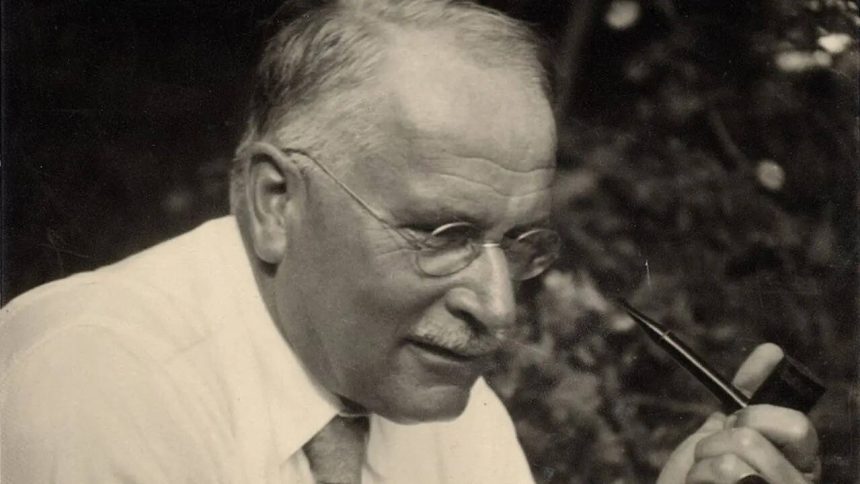
As we navigate the complexities of human existence, it’s not uncommon to find ourselves caught up in the pursuit of identity, career, and a sense of belonging. For many, the younger years are spent constructing a self, a persona that is shaped by experiences, relationships, and the world around us. But the concept of identity is not a static entity, and it’s here that the words of renowned psychiatrist Carl Jung come into play. In his profound observation, Jung notes that the first half of life is devoted to forming a healthy ego, while the second half is marked by a journey inward, one that involves letting go of the very ego we’ve worked so tirelessly to create.
Forming the Foundation
The first half of life, as Jung so astutely pointed out, is a time of building, of laying the groundwork for who we will become. It’s a period of self-discovery, of exploring our passions, interests, and values, and of developing the skills and competencies necessary to succeed in the world. We form relationships, establish careers, and create a sense of identity that is often deeply tied to our external circumstances. This is a time of great growth and learning, as we strive to become the best version of ourselves.
But as we journey through this first half, we also begin to form habits, patterns of thought and behavior that can either serve us well or hold us back. We may develop a sense of self-importance, a need for validation and external recognition, or a tendency to people-please. These tendencies can become deeply ingrained, making it challenging to let go of the ego we’ve created, even when it no longer serves us.
The Journey Inward
So what happens when we reach the second half of life, as Jung so insightfully describes it? We begin to let go of the ego, to release the need for external validation and recognition. We start to look within, to explore the depths of our own consciousness, and to confront the parts of ourselves that we’ve long suppressed. This is a time of great introspection, of self-inquiry, and of transformation.
As we embark on this journey, we may encounter a sense of disorientation, a feeling of being lost or uncertain about our place in the world. But it’s precisely this uncertainty that offers us the opportunity for growth, for renewal, and for rebirth. We begin to see the world in a new light, to appreciate the beauty and simplicity of life, and to connect with others in a more authentic, meaningful way.
The Paradox of Identity
One of the most profound paradoxes of identity is that it’s both fixed and fluid at the same time. On the one hand, we are products of our experiences, shaped by the world around us. On the other hand, we are dynamic, ever-changing beings, capable of growth, transformation, and evolution. This paradox is at the heart of Jung’s observation, and it’s one that challenges us to rethink our assumptions about identity, ego, and the human experience.
The concept of identity is not a static entity, but rather a complex, multifaceted construct that is shaped by our experiences, relationships, and the world around us. As we navigate the complexities of human existence, we must be willing to let go of the ego, to release the need for external validation, and to embark on a journey of self-discovery and transformation. It’s only by embracing this paradox that we can truly come to know ourselves, and live a life that is authentic, meaningful, and fulfilling.
As we reflect on Jung’s profound observation, we’re reminded that life is a journey, not a destination. It’s a journey of growth, transformation, and evolution, one that requires us to be open, receptive, and willing to let go of the ego. By embracing this journey, we can unlock the secrets of the human experience, and live a life that is truly authentic, meaningful, and fulfilling.