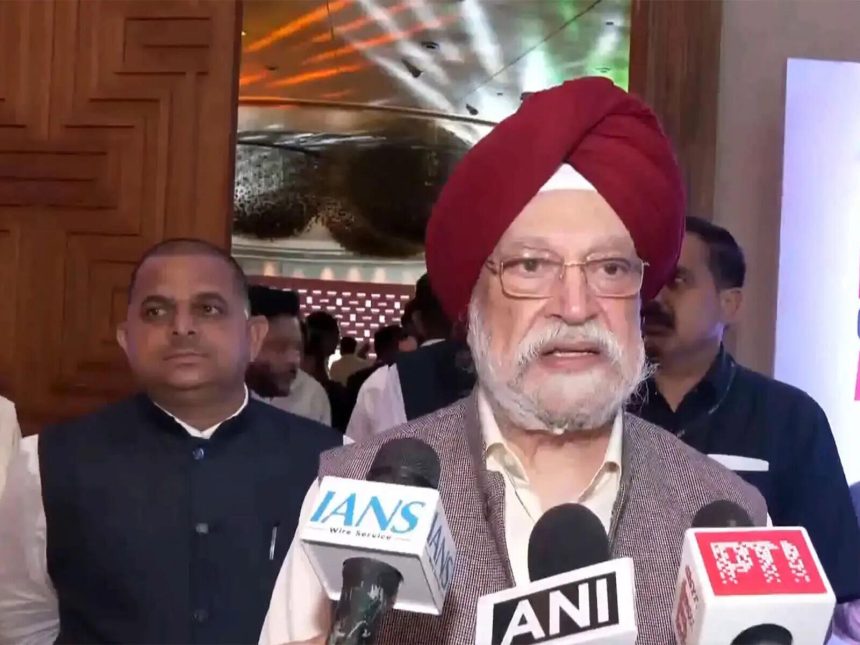
The Indian government has announced plans to conduct thorough testing of E25, a blend of petrol and 25% ethanol, before deciding on its nationwide rollout. This move is part of the government’s efforts to reduce the country’s dependence on fossil fuels and promote the use of alternative energy sources. The testing process is expected to be extensive, with evaluations and consultations with all stakeholders, including oil companies, automotive manufacturers, and environmental experts, to ensure a smooth transition to the new fuel blend.
Benefits of E25
The introduction of E25 is expected to have numerous benefits, including a reduction in greenhouse gas emissions and a decrease in the country’s reliance on imported oil. Ethanol is a renewable energy source that can be produced from various biomass materials, such as sugarcane and corn, making it a more sustainable alternative to traditional fossil fuels. Additionally, the use of E25 is expected to result in significant cost savings for consumers, as ethanol is generally cheaper than petrol.
The government’s decision to test E25 is also driven by the need to comply with international climate change agreements, such as the Paris Agreement, which aims to reduce global greenhouse gas emissions. By promoting the use of alternative energy sources, the government hopes to reduce the country’s carbon footprint and contribute to a more sustainable future. The testing process will involve evaluating the performance of E25 in various vehicles, including cars, buses, and trucks, to ensure that it meets the required standards for emissions and efficiency.
Challenges and Concerns
While the introduction of E25 is expected to have numerous benefits, there are also several challenges and concerns that need to be addressed. One of the main concerns is the availability of ethanol, as the country’s current production capacity may not be sufficient to meet the demand for E25. The government will need to work with ethanol producers to increase production and ensure a stable supply of the fuel blend.
Another challenge is the compatibility of E25 with existing vehicles, as some vehicles may not be designed to run on the new fuel blend. The government will need to work with automotive manufacturers to ensure that vehicles are compatible with E25 and to develop new vehicles that can run on the fuel blend. Additionally, the government will need to invest in infrastructure, including storage facilities and distribution networks, to support the rollout of E25.
Way Forward
The government’s decision to test E25 is a significant step towards promoting the use of alternative energy sources and reducing the country’s dependence on fossil fuels. The testing process is expected to take several months, during which time the government will evaluate the performance of E25 and consult with stakeholders to address any concerns or challenges. Once the testing process is complete, the government will make a decision on the nationwide rollout of E25, which is expected to have a significant impact on the country’s energy sector.
The introduction of E25 is also expected to create new opportunities for businesses and entrepreneurs, particularly in the automotive and energy sectors. The government will need to work with the private sector to develop new technologies and infrastructure to support the rollout of E25, which is expected to create new jobs and stimulate economic growth. As the country moves towards a more sustainable future, the introduction of E25 is an important step towards reducing greenhouse gas emissions and promoting the use of alternative energy sources.