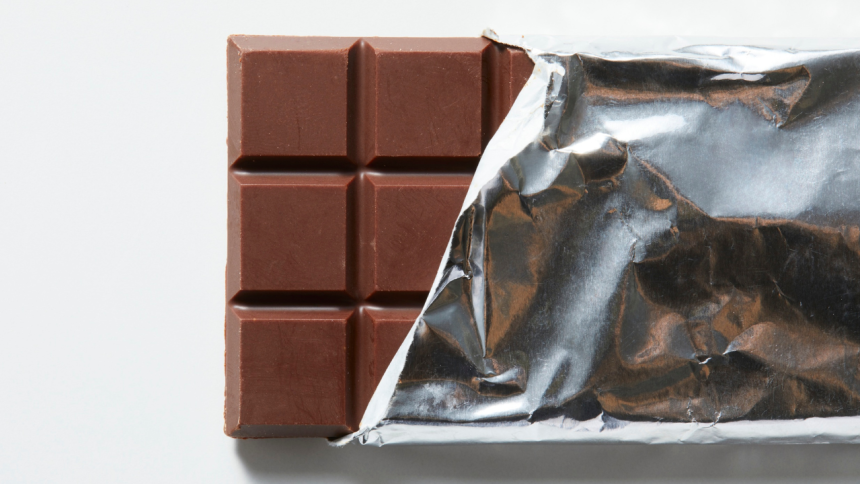
When it comes to indulging in a piece of chocolate, the sensory experience goes far beyond the taste and texture of the treat itself. The moment we unwrap a chocolate bar or truffle, our eyes are drawn to the shiny, metallic foil that encases it. But have you ever stopped to think about why chocolate is so often wrapped in foil? It’s a question that has puzzled many, and one that has a surprisingly complex answer.
The Protective Properties of Foil
The primary purpose of foil wrapping is to prevent the chocolate from coming into contact with oxygen, moisture, and other environmental factors that can cause it to degrade over time. Chocolate, particularly milk chocolate, is highly susceptible to oxidation, which can lead to the formation of off-flavors, rancidity, and an unpleasant texture. By sealing the chocolate in a protective layer of foil, manufacturers can extend its shelf life and maintain its quality.
But foil wrapping also serves another important function: it helps to prevent the chocolate from absorbing flavors and odors from its surroundings. This is particularly important for high-end chocolate products, which are often infused with delicate flavors and fragrances. By sealing the chocolate in airtight foil, manufacturers can ensure that these flavors are preserved and that the chocolate retains its unique character.
The Aesthetics of Foil Wrapping
Of course, there’s also a more subjective reason why chocolate is often wrapped in foil: it looks good. The glossy, metallic appearance of foil adds a premium feel to chocolate products, making them more appealing to consumers. This is particularly true for luxury chocolate brands, which often use foil wrapping as a way to differentiate themselves from more mass-market products.
But the aesthetics of foil wrapping aren’t just about creating a visually appealing product – they also play a role in our emotional response to chocolate. Research has shown that the color and texture of packaging can influence our mood and behavior, and the shiny, metallic appearance of foil can create a sense of excitement and indulgence. So while the primary purpose of foil wrapping may be functional, its aesthetic appeal is certainly an important consideration for manufacturers.
The Environmental Impact of Foil Wrapping
Finally, it’s worth considering the environmental impact of foil wrapping. While foil itself is recyclable, the process of producing and disposing of it can have significant environmental costs. Aluminum, the primary material used in foil wrapping, requires a significant amount of energy to produce, and the mining and processing of aluminum ore can have negative impacts on the environment.
However, many manufacturers are now exploring more sustainable alternatives to traditional foil wrapping. Some are using biodegradable materials, such as plant-based plastics or edible coatings, while others are experimenting with reusable packaging solutions. As consumers become increasingly aware of the environmental impact of their purchasing decisions, manufacturers will need to adapt and find new ways to balance the functional and aesthetic needs of their products with the demands of sustainability.
So the next time you unwrap a piece of chocolate, remember the complex science and technology that goes into creating that shiny, metallic foil. It’s not just a pretty package – it’s a critical component of the chocolate-making process, and one that plays a vital role in preserving the quality and character of this beloved treat.