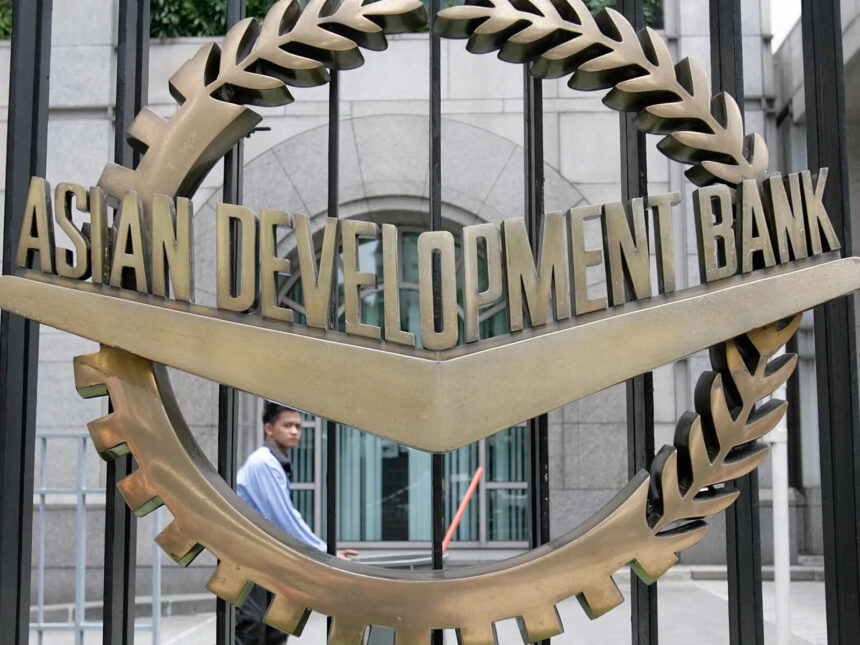
The International Monetary Fund (IMF) and the Asian Development Bank (ADB) have sounded a warning bell for India’s economy, cautioning that the ongoing conflict in West Asia is set to hurt most economies, including India, due to the surge in crude oil prices. The global economic landscape is taking a hit as oil prices soar to new heights, threatening to slow down India’s growth trajectory. The warning from the IMF and ADB comes at a time when the Indian economy is already grappling with headwinds such as high inflation and a widening trade deficit.
Impact on India’s Growth Projections
The IMF and ADB have trimmed India’s growth projections for the current financial year, citing the adverse impact of higher oil prices. The latest forecasts from the international financial institutions indicate that India’s economic growth is expected to be lower than previously estimated, with the IMF predicting a growth rate of 6.8% and the ADB estimating 6.9%. The downward revision in growth projections is a concern, as it could have a ripple effect on various sectors of the economy, including industry, agriculture, and services. The IMF and ADB have also warned that the impact of higher oil prices will be felt across most economies, with the international trade and finance landscape facing significant disruptions.
The ADB has also stated that the global economic slowdown will have a more pronounced impact on Asia, with countries such as India, China, and Indonesia being particularly vulnerable to the adverse effects of higher oil prices. The IMF has also cautioned that the global economy is facing a range of challenges, including rising protectionism, debt levels, and monetary policy tightening, which could further exacerbate the economic slowdown.
Government’s Response to the Economic Slowdown
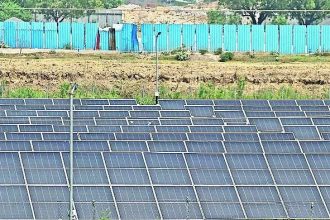
The Indian government has been watching the developments in the global economy with growing concern, and has been taking various measures to mitigate the impact of higher oil prices on the economy. The government has been exploring options to reduce its dependence on oil imports, and has been promoting the use of renewable energy sources such as solar and wind power. The government has also been working to improve the country’s economic fundamentals, including reducing the fiscal deficit and increasing investment in critical sectors such as infrastructure and education.
Despite the challenges facing the Indian economy, the government remains optimistic about the country’s growth prospects. The government has stated that it is committed to implementing policies that will support economic growth and job creation, and has been taking various measures to boost investor confidence and promote sustainable economic development. The government has also been working to improve the country’s business environment, including streamlining regulations and increasing transparency in government decision-making.
Way Forward for India’s Economy
The warnings from the IMF and ADB serve as a reminder of the importance of prudent economic management and effective policy-making. The Indian government must continue to work on improving the country’s economic fundamentals, including reducing the fiscal deficit and increasing investment in critical sectors. The government must also continue to promote sustainable economic development, including investing in renewable energy sources and improving the country’s business environment. By taking a proactive and forward-looking approach to economic management, India can mitigate the impact of global economic headwinds and achieve its growth targets.
The Indian economy is at a critical juncture, and the government must take bold and decisive action to address the challenges facing the economy. The IMF and ADB have sounded a warning bell, and it is time for the Indian government to take heed and implement policies that will support economic growth and job creation. By working together, India can overcome the current economic challenges and achieve its growth targets, and emerge as a leading economy in the years to come.