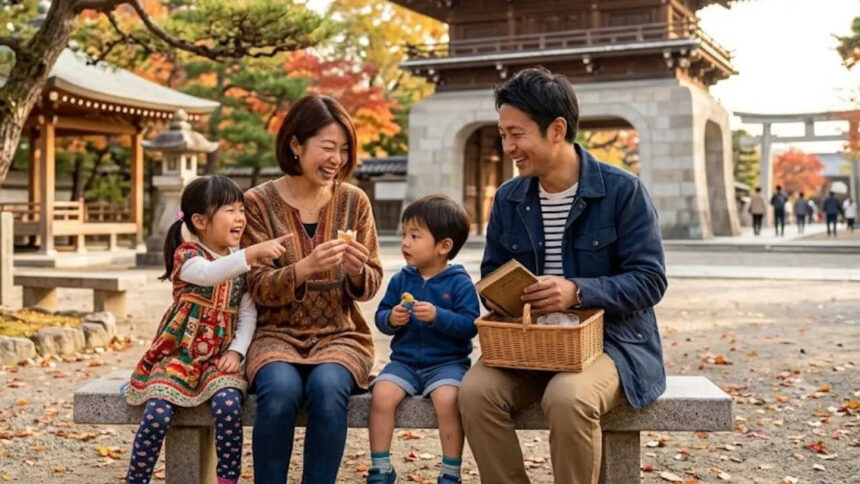
Raising kind, responsible, and confident children isn’t just about helping them ace their exams or securing a top spot in their class. It’s about instilling values that will stay with them for life, long after they’ve graduated from school. In Japan, many parents have mastered the art of teaching their children everyday habits that shape their character and prepare them for adulthood. These lessons may seem simple, but they’re incredibly powerful and offer a valuable lesson to parents around the world.
Teaching Children to Respect and Apologize
One of the most important lessons Japanese parents teach their children is the value of respect and apology. From a young age, children are taught to bow and say ‘sumimasen’ (excuse me) when they accidentally bump into someone or make a mistake. This teaches them to take responsibility for their actions and show respect for others. It’s not just about saying sorry; it’s about being genuinely sorry and making amends. Japanese parents also encourage their children to apologize even when they’re not at fault, as this helps them develop empathy and understand the impact of their actions on others.
This lesson is particularly relevant in today’s world, where empathy and understanding are often lacking. By teaching children to respect and apologize, parents can help them develop a sense of social responsibility and a strong moral compass. It’s a lesson that can be applied in all areas of life, from personal relationships to professional settings.
Emphasizing Self-Reliance and Independence
Another valuable lesson Japanese parents teach their children is the importance of self-reliance and independence. From a young age, children are encouraged to take care of themselves, do their own laundry, and prepare simple meals. This teaches them to be responsible and self-sufficient, essential skills in today’s world. Japanese parents also encourage their children to try new things and take calculated risks, as this helps them develop confidence and resilience. By teaching children to be independent, parents can help them develop a sense of self-worth and become more confident individuals.
This lesson is particularly relevant in today’s world, where many children are overprotected and lack the skills to take care of themselves. By emphasizing self-reliance and independence, parents can help their children develop a strong sense of self and become more capable individuals.
Teaching Children to Think Critically and Reflect
Finally, Japanese parents teach their children the value of critical thinking and reflection. From a young age, children are encouraged to ask questions, think critically, and reflect on their actions. This helps them develop a growth mindset and become more adaptable and resourceful individuals. Japanese parents also encourage their children to learn from their mistakes and use them as opportunities for growth. By teaching children to think critically and reflect, parents can help them develop a strong sense of self-awareness and become more effective learners.
This lesson is particularly relevant in today’s world, where critical thinking and problem-solving skills are in high demand. By teaching children to think critically and reflect, parents can help them develop a strong sense of self and become more capable individuals.
While these lessons may seem simple, they’re incredibly powerful and offer a valuable lesson to parents around the world. By teaching children to respect and apologize, emphasize self-reliance and independence, and think critically and reflect, parents can help them develop a strong sense of self and become more confident, capable, and compassionate individuals. These are the kind of values that will stay with them for life, long after they’ve graduated from school and entered the world beyond.