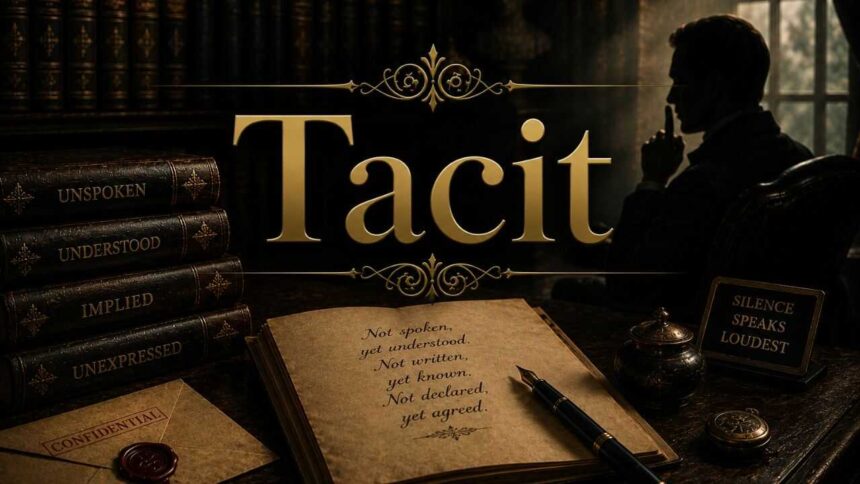
Human interaction is a complex web of verbal and non-verbal cues, with the unspoken often speaking louder than words. A raised eyebrow, a subtle nod, or a well-timed pause can convey just as much meaning as a lengthy conversation. This tacit language is the foundation upon which our relationships are built, influencing everything from our personal connections to our professional collaborations. By recognizing the power of these unspoken interactions, we can deepen our understanding of ourselves and those around us.
Understanding Tacit Interactions
Tacit interactions are the unsaid, unwritten rules that govern our social behavior. They are the expectations, the routines, and the rituals that develop over time, often without us even realizing it. For instance, in a workplace setting, colleagues may develop a tacit understanding of each other’s work styles, allowing them to anticipate and respond to each other’s needs without needing to explicitly communicate. This unspoken language can be incredibly efficient, enabling us to navigate complex social situations with ease.
However, tacit interactions can also be a source of miscommunication and conflict. When we assume that others share our understanding of the unspoken rules, we can inadvertently create tension or misunderstandings. For example, a new employee may unintentionally disrupt the office dynamics by not picking up on the tacit cues, leading to feelings of frustration or exclusion. By being more aware of these interactions, we can work to clarify expectations and avoid potential pitfalls.
The Power of Non-Verbal Cues
Non-verbal cues, such as body language and facial expressions, play a significant role in tacit interactions. A warm smile or a firm handshake can convey confidence and approachability, while averted eyes or crossed arms can suggest defensiveness or discomfort. These cues can be incredibly powerful, influencing our perceptions of others and shaping our interactions with them. Moreover, non-verbal cues can be culturally specific, with different cultures placing varying emphasis on physical touch, eye contact, or other forms of non-verbal communication.
By paying attention to these non-verbal cues, we can gain a deeper understanding of the people around us. For instance, a friend’s subtle change in posture or tone of voice can indicate that they are upset or distressed, allowing us to respond with empathy and support. Similarly, in a professional setting, being attuned to non-verbal cues can help us build stronger relationships with our colleagues and clients, fostering a more positive and productive work environment.
Cultivating Tacit Awareness
So, how can we cultivate a greater awareness of tacit interactions and the non-verbal cues that shape them? One approach is to practice mindfulness, paying attention to our own thoughts, feelings, and physical sensations in the present moment. By being more aware of our own internal state, we can become more attuned to the subtle cues and expectations that govern our social interactions. Additionally, engaging in active listening and asking open-ended questions can help us clarify expectations and avoid misunderstandings.
As we navigate the complex web of human interaction, it is essential to recognize the significance of tacit language and the non-verbal cues that underpin it. By cultivating a deeper understanding of these unspoken interactions, we can build stronger, more meaningful relationships and communicate more effectively with those around us. Ultimately, the unspoken language of tacit interactions holds the key to unlocking deeper connections, greater empathy, and a more compassionate understanding of ourselves and others.