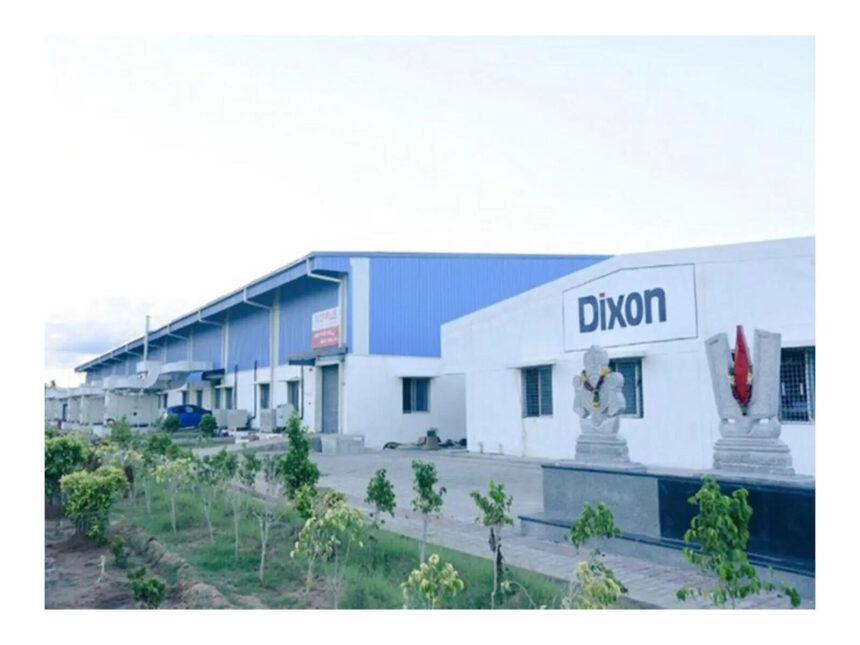
The government’s approval for a joint venture between China’s Vivo and Dixon Technologies has set a precedent for Chinese smartphone brands looking to expand their production in India while navigating strict foreign investment rules. This partnership marks a significant milestone in the Indian government’s efforts to encourage foreign investment in the electronics sector, particularly in the manufacturing of smartphones and other electronic devices. As the Indian smartphone market continues to grow, Chinese brands like Vivo are now looking to increase their local production to meet the rising demand, thereby reducing their reliance on imports and capitalizing on the government’s incentives.
Manufacturing in India: A Strategic Move for Chinese Phone Companies
The Vivo-Dixon joint venture is a strategic move by Chinese companies to tap into India’s growing smartphone market. By setting up a manufacturing unit in India, these companies can not only reduce their production costs but also meet the increasing demand for smartphones in the country. Moreover, by partnering with local companies like Dixon, Chinese firms can benefit from expertise in areas such as design, engineering, and quality control. Dixon, a leading contract manufacturer of electronic products, brings with it a wealth of experience in the field of electronics manufacturing services (EMS). The partnership between Vivo and Dixon is expected to create employment opportunities in the region and contribute to the growth of the local economy.
The joint venture is also a testament to the Indian government’s ‘Make in India’ initiative, which aims to promote domestic manufacturing in the country. The initiative has been successful in attracting foreign investment in various sectors, including electronics, textiles, and automotive. However, the government has been strict in enforcing the foreign direct investment (FDI) norms in the electronics sector, particularly in the area of smartphone manufacturing. The Vivo-Dixon joint venture is a model for other Chinese companies looking to enter the Indian market while complying with the government’s regulations.
Compliance with FDI Norms: A Key Challenge for Chinese Phone Companies
One of the key challenges that Chinese companies face in India is compliance with the government’s FDI norms. The Indian government has put in place strict regulations to ensure that foreign companies do not dominate the local market. For instance, the government has capped the foreign investment in the electronics sector at 49% to prevent foreign companies from taking control of local units. The Vivo-Dixon joint venture has successfully navigated these regulations by partnering with a local company like Dixon, which allows the foreign company to maintain a 49% stake in the joint venture while complying with the FDI norms.
Compliance with FDI norms is crucial for Chinese companies looking to enter the Indian market. Failure to comply with the regulations can result in penalties and even cancellation of the business license. The Vivo-Dixon joint venture has set a precedent for other Chinese companies to follow in complying with the FDI norms while expanding their operations in India.
A Beacon of Hope for the Indian Electronics Sector
The Vivo-Dixon joint venture is a beacon of hope for the Indian electronics sector, which has been facing stiff competition from Chinese companies in recent years. The partnership has brought a much-needed boost to the sector, which is expected to create employment opportunities and contribute to the growth of the local economy. Moreover, the joint venture has raised hopes of more foreign investment in the sector, which can lead to increased production and reduced prices of smartphones and other electronic devices.
The Indian government’s approval for the Vivo-Dixon joint venture is a significant step towards promoting domestic manufacturing in the country. The partnership has set a precedent for other Chinese companies looking to enter the Indian market while complying with the government’s regulations. As the Indian smartphone market continues to grow, Chinese brands like Vivo are now looking to increase their local production to meet the rising demand, thereby reducing their reliance on imports and capitalizing on the government’s incentives.