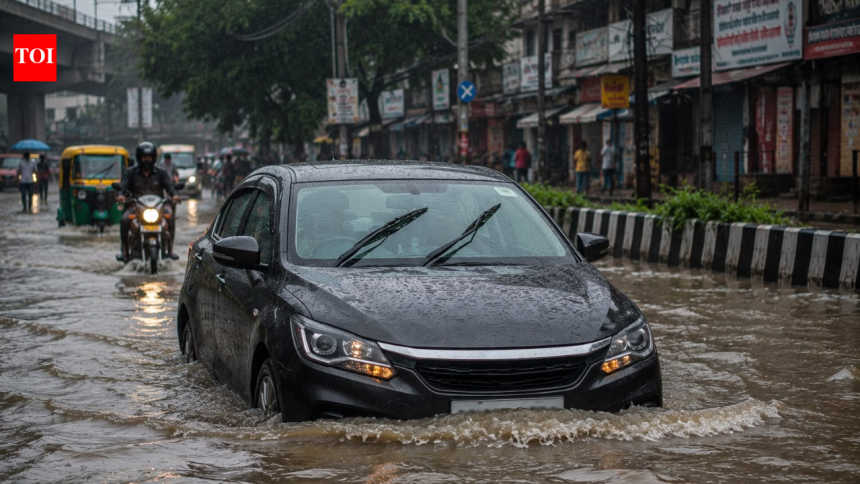
The monsoon season is upon us, bringing with it a welcome respite from the scorching summer heat. However, the cooler weather also ushers in some of the most challenging driving conditions, with wet roads, hidden potholes, poor visibility, and waterlogging all contributing to an increased risk of accidents and unexpected breakdowns. As the rain clouds gather, it’s essential to ensure your vehicle is monsoon-ready to minimize the risk of trouble on the road. A few simple checks can make all the difference between a smooth journey and a disastrous one.
Pre-Monsoon Preparation
Before the rains arrive, it’s crucial to give your vehicle a thorough once-over to identify any potential issues that could leave you stranded. Start by checking your tire tread depth, as worn-out tires can lead to skidding and loss of control on wet roads. Ensure your tire pressure is at the recommended level, as underinflated tires can overheat and increase the risk of a blowout. Additionally, inspect your brakes, suspension, and steering system to ensure they’re in good working condition.
A monsoon-specific check is to ensure your vehicle’s drainage system is functioning correctly. Clogged drains can lead to water accumulation in the engine compartment, which can cause serious damage. Check your vehicle’s manual to locate the drainage points and clear any blockages. It’s also a good idea to apply a waterproof coating to your vehicle’s electrical components to protect them from water damage.
Electrical and Visibility Checks
Monsoon conditions can play havoc with your vehicle’s electrical systems, so it’s essential to check all lights, signals, and wipers are functioning correctly. Ensure your headlights, taillights, and fog lights are clean and free from damage, as poor visibility can be a major contributor to accidents. Check your windshield wipers for any signs of wear and replace them if necessary, as effective wipers are crucial for maintaining clear visibility during heavy rain.
It’s also a good idea to check your vehicle’s battery and electrical system for any signs of weakness. A dead battery can leave you stranded, so ensure it’s in good condition and the terminals are clean and secure. Consider investing in a battery maintainer to keep your battery in top condition. Finally, check your vehicle’s defogger and demister are working correctly, as a clear windscreen is essential for safe driving in monsoon conditions.
On-the-Road Precautions
Once you’ve completed your pre-monsoon checks, it’s essential to exercise caution when driving in monsoon conditions. Avoid driving through flooded areas, as it’s impossible to gauge the depth of the water and hidden obstacles can cause serious damage to your vehicle. If you must drive through flooded areas, do so slowly and in first gear, with your hazard lights on to alert other road users.
Be aware of your surroundings and keep an eye out for pedestrians, cyclists, and other vehicles, as visibility can be severely reduced in heavy rain. Use your headlights and fog lights to increase your visibility, and avoid using your high beam, as it can reflect off the water and cause glare. Keep a safe distance from other vehicles and be prepared for unexpected stops or turns. With a little preparation and caution, you can minimize the risks associated with driving in monsoon conditions and arrive at your destination safely.
By following these simple checks and precautions, you can ensure your vehicle is ready to take on the challenges of the monsoon season. Remember to stay alert, drive defensively, and always prioritize your safety and the safety of other road users. With the right preparation and a bit of caution, you can navigate the monsoon roads with confidence and arrive at your destination in one piece.