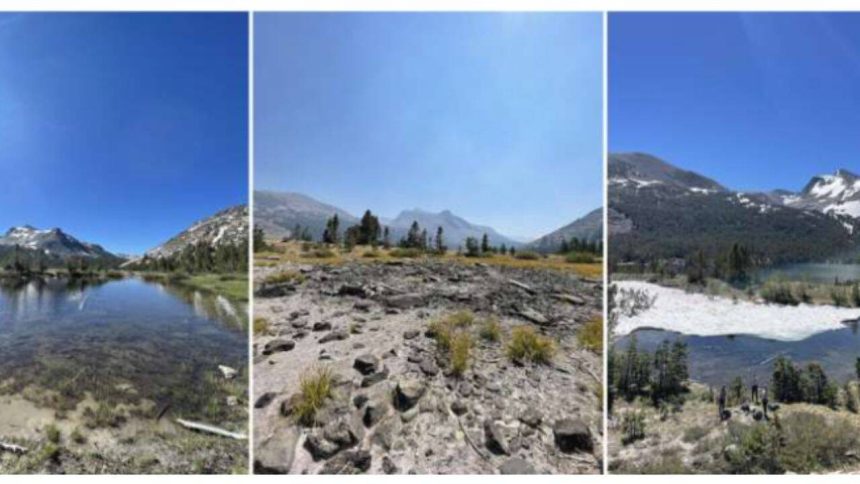
High in California’s Sierra Nevada mountains, small ponds may look peaceful and unchanged, surrounded by rocky peaks and open skies, but beneath their calm surface lies a world of extreme temperature fluctuations. These tiny bodies of water, scattered across the mountain landscape, can experience temperature swings of up to 20°C in a single day, making them some of the most dynamic and fascinating ecosystems on the planet. Scientists have recently studied 30 of these ponds, seeking to understand the complex interactions between temperature, snowpack, and nutrient levels, and what they’ve found has significant implications for the future of these unique ecosystems.
Temperature Extremes and Ecosystem Dynamics
The Sierra Nevada ponds are characterized by their small size and shallow depth, which makes them highly susceptible to temperature fluctuations. During the summer months, the ponds can warm up rapidly, only to cool down again at night, creating a constant cycle of temperature extremes. This cycle has a profound impact on the ecosystem, with many aquatic species adapting to these conditions in remarkable ways. For example, some species of algae and zooplankton have evolved to thrive in these temperature fluctuations, while others are more sensitive and may struggle to survive.
The scientists’ research has also shed light on the critical role that snowpack plays in regulating the temperature of these ponds. The snowpack acts as a natural thermostat, providing shade and cooling the water through a process called latent heat transfer. However, as the snowpack declines due to climate change, the ponds are likely to become warmer and more nutrient-rich, which could have significant consequences for the ecosystem. Warmer water can lead to an increase in algae growth, which can deplete the oxygen in the water, making it harder for other species to survive.
The Impact of Shrinking Snowpack
The decline of snowpack in the Sierra Nevada mountains is a pressing concern, with significant implications for the region’s ecosystem. As the snowpack shrinks, the ponds are likely to become smaller, warmer, and more nutrient-rich, leading to a shift in the types of species that can thrive in these environments. The scientists’ research suggests that this could lead to a loss of biodiversity, as some species may struggle to adapt to the changing conditions. The warmer water could also lead to an increase in the growth of invasive species, which could outcompete native species for resources and habitat.
The study’s findings have important implications for conservation efforts in the region. As the climate continues to change, it’s essential to monitor the health of these ecosystems and take steps to protect them. This could involve measures such as reducing nutrient pollution, controlling invasive species, and preserving the natural habitat of these unique ecosystems. By taking a proactive approach to conservation, we can help to preserve the delicate balance of these ecosystems and ensure that they continue to thrive for generations to come.
Future Research and Conservation Efforts
While the scientists’ research has provided valuable insights into the dynamics of the Sierra Nevada ponds, there is still much to be learned about these complex ecosystems. Further research is needed to fully understand the impacts of climate change on these ponds and to develop effective conservation strategies. This could involve studying the responses of different species to temperature fluctuations, as well as exploring the potential for restoration and rehabilitation of degraded habitats. By continuing to study and learn from these unique ecosystems, we can gain a deeper appreciation for the natural world and our place within it.
The Sierra Nevada ponds are a remarkable example of the beauty and complexity of the natural world. As we move forward in an era of rapid climate change, it’s essential that we prioritize the conservation of these ecosystems and work to preserve their delicate balance. By doing so, we can help to ensure that these tiny ponds continue to thrive, providing a home for a diverse array of species and a source of inspiration for generations to come.