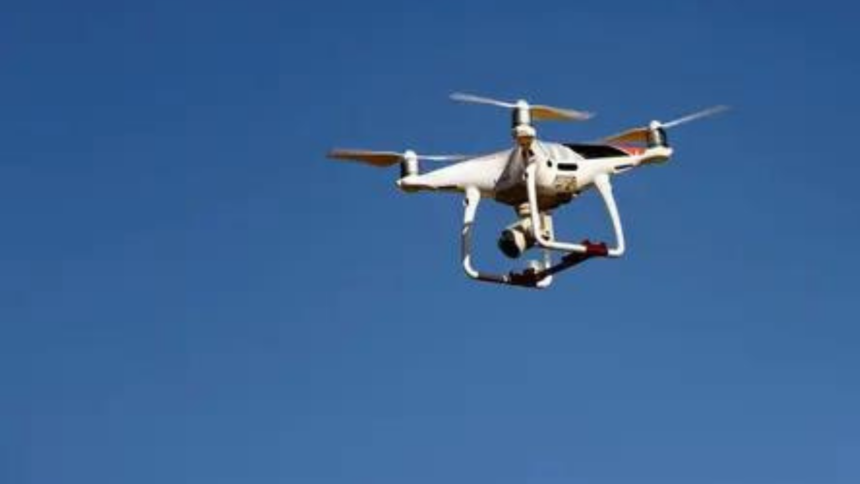
A trailblazing study by the Indian Council of Medical Research (ICMR) has revealed the remarkable benefits of using drones to transport sputum samples from remote villages to tuberculosis (TB) testing centres. The research, conducted under the i-DRONE initiative, has shown that this innovative approach can significantly reduce the time taken to diagnose TB, making a substantial difference in the lives of millions of people affected by this debilitating disease.
The study, which involved testing the feasibility of drone-based transportation of sputum samples from remote areas to TB testing centres, has yielded impressive results. By cutting down the time taken to diagnose TB by nearly two-thirds, this method has the potential to save countless lives and prevent further suffering for those affected by the disease. Moreover, the elimination of patients’ travel costs, which can be a significant burden for those living in remote areas, is a significant advantage of this approach.
The research, which involved collecting sputum samples from 20 remote villages in four states, has demonstrated the effectiveness of using drones to transport these samples to TB testing centres. The results show that the drone-based transportation method is faster and more efficient than traditional methods, which often involve patients traveling long distances to reach testing centres. This not only saves time but also reduces the risk of sample contamination and ensures that patients receive their test results more quickly.
Improving Healthcare Access for Remote Communities
The ICMR study highlights the significant impact that drone-based TB diagnostic services can have on improving healthcare access for remote communities. By reducing the time and costs associated with TB diagnosis, this approach can help bridge the gap in healthcare access for millions of people living in rural areas. The study also underscores the potential for drone-based healthcare services to be scaled up and integrated into existing healthcare systems, making it a promising solution for addressing the challenges of remote healthcare.
The i-DRONE initiative, launched by the ICMR, aims to leverage the potential of drones in healthcare to improve access to medical services, particularly in remote and underserved areas. By partnering with local healthcare providers and leveraging cutting-edge technology, the initiative seeks to develop sustainable solutions for improving healthcare outcomes in these regions.
Addressing the Challenges of TB Diagnosis
Tuberculosis, a major public health concern in India, poses significant challenges in terms of diagnosis and treatment. The disease is often diagnosed at an advanced stage, making treatment more difficult and increasing the risk of complications. The use of drones to transport sputum samples can help address these challenges by ensuring that samples are transported quickly and safely to testing centres. This can lead to earlier diagnosis and treatment, reducing the risk of complications and improving treatment outcomes.
The ICMR study also highlights the potential for drone-based TB diagnostic services to be integrated into existing healthcare systems. By leveraging the expertise of local healthcare providers and leveraging technology, this approach can help improve healthcare access and outcomes for remote communities. The study’s findings have significant implications for policymakers and healthcare providers seeking to address the challenges of TB diagnosis and treatment in India.
Scaling Up Drone-Based Healthcare Services
The ICMR study’s findings have significant implications for the scaling up of drone-based healthcare services in India. By demonstrating the effectiveness of drone-based TB diagnostic services, the study provides a compelling case for investment in this approach. The study’s recommendations for integrating drone-based healthcare services into existing healthcare systems also offer a roadmap for policymakers and healthcare providers seeking to leverage the potential of drones in healthcare.
The i-DRONE initiative, which is currently being scaled up in several states, offers a promising solution for addressing the challenges of remote healthcare in India. By leveraging the potential of drones in healthcare, this initiative has the potential to improve healthcare access and outcomes for millions of people living in rural areas. The study’s findings serve as a testament to the power of innovation in healthcare and demonstrate the potential for technology to drive positive change in the lives of millions of people.
As the ICMR study’s findings continue to shape the future of healthcare in India, it is clear that drone-based TB diagnostic services have the potential to revolutionize the way we approach healthcare in remote and underserved areas. By reducing the time and costs associated with TB diagnosis, this approach can help bridge the gap in healthcare access and improve healthcare outcomes for millions of people. As we move forward, it will be exciting to see how this innovative approach continues to evolve and shape the future of healthcare in India.