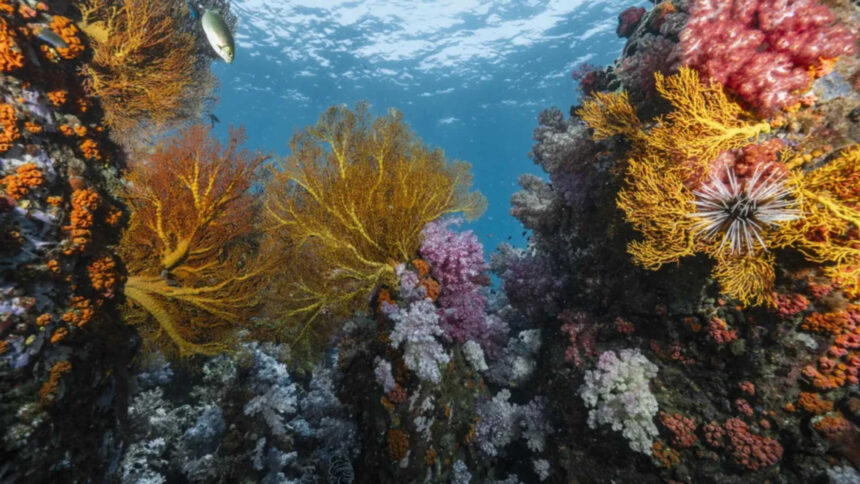
A groundbreaking discovery by an international team of scientists has shed new light on the fate of the world’s oceans, which are experiencing their worst bleaching crisis ever recorded. Mapping more than 64,000 square miles of heat-resistant coral reefs across 71 countries has provided a vital plan for saving marine life from the devastating effects of climate change. This monumental find offers a beacon of hope for the future of our oceans, where coral bleaching has ravaged reefs, causing widespread destruction and loss of biodiversity.
Heat-Resistant Corals: A Lifeline for the Oceans
Coral reefs are some of the most diverse ecosystems on the planet, supporting a staggering array of marine life. However, rising sea temperatures have pushed these delicate ecosystems to the brink of collapse, with coral bleaching becoming a recurring phenomenon. The discovery of heat-resistant coral reefs offers a glimmer of hope, as these resilient organisms are better equipped to withstand the stresses of a changing climate.
Researchers analyzed satellite data and conducted field studies to identify areas where coral reefs have demonstrated an ability to resist heat stress. This involved examining factors such as water temperature, pH levels, and the presence of other organisms that contribute to the reef’s overall health. The team’s findings reveal that these heat-resistant coral reefs are scattered across the globe, providing a potential template for conservation efforts.
Global Implications and Conservation Strategies
The discovery of heat-resistant coral reefs has far-reaching implications for global conservation efforts. As the world’s oceans continue to grapple with the effects of climate change, these resilient ecosystems offer a vital safeguard against the worst impacts of bleaching. By identifying areas where heat-resistant coral reefs are thriving, scientists can develop targeted conservation strategies to protect and restore these critical ecosystems.
One of the key challenges facing conservation efforts is the scale and complexity of the problem. Coral reefs are not just fragile ecosystems but also provide essential services such as shoreline protection, fisheries, and tourism revenue. The discovery of heat-resistant coral reefs offers a new approach to conservation, one that acknowledges the interconnectedness of these ecosystems and the importance of preserving their delicate balance.
Path Forward: Protecting and Preserving Coral Reefs
The discovery of heat-resistant coral reefs is a critical step forward in the quest to protect and preserve these vital ecosystems. As the world’s oceans continue to grapple with the effects of climate change, it is essential that we prioritize conservation efforts and work towards creating a more resilient future for coral reefs.
By harnessing the knowledge gained from this groundbreaking research, scientists and policymakers can develop targeted strategies to protect heat-resistant coral reefs and promote their expansion. This will require a collaborative effort, involving governments, conservation organizations, and local communities working together to safeguard these critical ecosystems.
As we look to the future, the discovery of heat-resistant coral reefs offers a beacon of hope for the health of our oceans. By prioritizing conservation and working towards a more resilient future, we can help protect these vital ecosystems and preserve the incredible biodiversity they support.