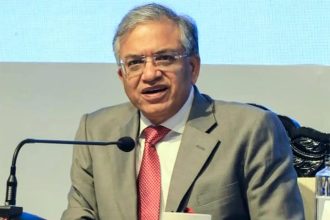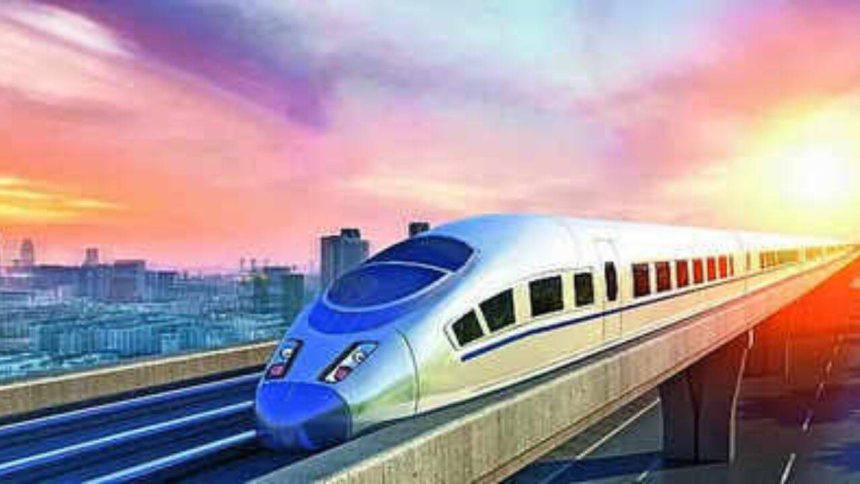
The Indian government has come out strong in defense of its high-speed rail cooperation with Japan, dismissing the statement of a former Japanese minister who had blamed India for the lack of progress in the ongoing work on the Ahmedabad-Mumbai ‘bullet train’ project. The government’s response is a clear indication that the project, which has been a cornerstone of bilateral cooperation between the two nations, is very much on track. With a total estimated cost of over $17 billion, the project aims to reduce travel time between Ahmedabad and Mumbai to just over two hours, a significant improvement from the current seven-hour journey by road or rail.
Background and Controversy
The controversy began when a former Japanese minister made comments suggesting that India was responsible for the delay in the project. The minister’s statement was seen as a setback to the project, which has been touted as a symbol of the growing strategic partnership between India and Japan. However, the Indian government has been quick to rebut these claims, stating that the project is progressing as per schedule and that all necessary clearances have been obtained.
The government has also pointed out that the project has been affected by the COVID-19 pandemic, which has caused significant disruptions to the global supply chain and has impacted the availability of labor and materials. Despite these challenges, the government remains committed to the project and is working closely with the Japanese government and other stakeholders to ensure its successful completion. The project is expected to create thousands of jobs and stimulate economic growth in the region, making it a vital part of India’s infrastructure development plans.
Project Details and Benefits
The Ahmedabad-Mumbai bullet train project is a 508-kilometer high-speed rail line that will connect the two cities, with a total of 12 stations along the route. The project is being implemented by the National High-Speed Rail Corporation Limited (NHSRCL), a special purpose vehicle created by the Indian government to oversee the project. The project is expected to have a significant impact on the economy, with estimates suggesting that it will increase the GDP of the region by up to 5%.
The project will also have a number of social benefits, including reducing travel time and increasing connectivity between the two cities. The high-speed rail line will also reduce the number of accidents on the road, as it will provide a safer and more efficient mode of transportation. The project is expected to be completed by 2028, with the first phase of the project expected to be operational by 2026. The government is working closely with the Japanese government to ensure that the project is completed on time and within budget.
Future Prospects and Cooperation
The Ahmedabad-Mumbai bullet train project is just one part of a broader plan to develop India’s high-speed rail network. The government has plans to develop several other high-speed rail lines, including a line connecting Delhi to Chennai and another connecting Mumbai to Nagpur. The government is working closely with the Japanese government to develop these projects, and is also exploring cooperation with other countries, including France and Germany.
The success of the Ahmedabad-Mumbai bullet train project will be a major milestone in the development of India’s high-speed rail network, and will pave the way for the development of other projects. The project is a testament to the strong bilateral cooperation between India and Japan, and is expected to further strengthen the strategic partnership between the two nations. With the project back on track, the government is confident that it will be completed on time and will have a significant impact on the economy and society.