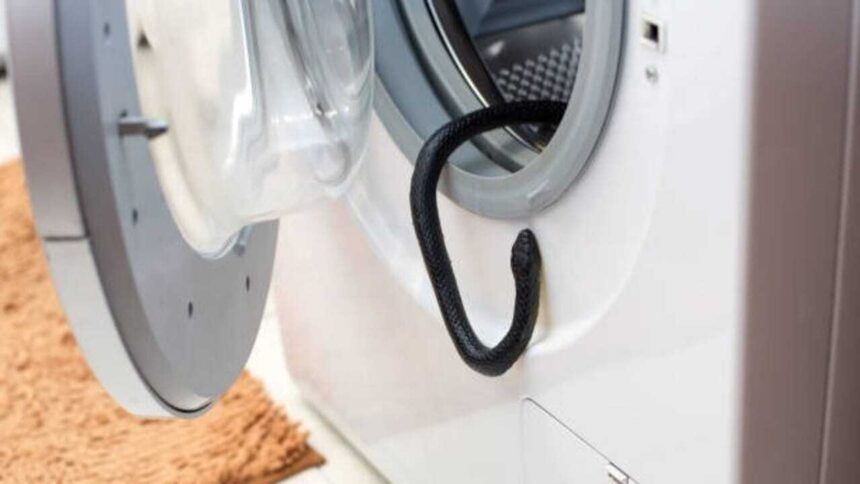
A shocking discovery in a washing machine has left many homeowners on high alert, wondering how to prevent snakes from slithering into their residences. The monsoon season has brought with it an increased risk of snake invasions, particularly for those living near water bodies, farms, or gardens. As the weather warms up and the rain pours down, snakes are on the lookout for warmth, shelter, and food, often finding their way into homes in search of rodents, frogs, and other small creatures. While human-snake encounters are rare, they can be deadly, making it essential to take proactive measures to keep these reptiles at bay.
Understanding Snake Behavior
Snakes are generally not aggressive towards humans and only enter homes in search of food or shelter. They are drawn to dark, moist areas and can squeeze through tiny openings, making it crucial to seal all cracks and crevices around the house. Rodent infestations can also attract snakes, so keeping your home clean and rodent-free is vital. Experts recommend removing any potential food sources, such as pet food and bird seed, from the vicinity of your home to discourage snakes from lurking around.
Snakes are also excellent climbers, and trees or shrubs near your home can provide them with a convenient entry point. Keeping your yard well-maintained, with trimmed trees and shrubs, can help reduce the risk of snake invasions. Additionally, installing door sweeps or weatherstripping around doors and windows can prevent snakes from slipping inside. By understanding snake behavior and taking these simple precautions, you can significantly reduce the likelihood of a snake encounter in your home.
Practical Ways to Keep Snakes Away
There are several practical ways to keep snakes away from household items, particularly during the monsoon season. One effective method is to use snake-repellent plants, such as basil, mint, or lemongrass, around the perimeter of your home. These plants have strong scents that snakes find unappealing and will help deter them from entering your property. Another approach is to use physical barriers, such as snake-proof fencing or mesh, to enclose your yard or specific areas around your home.
Sealing all openings and crevices around your home is also crucial, as snakes can fit through tiny gaps. This includes holes around pipes, vents, and doors, as well as any cracks in your home’s foundation or walls. Using steel wool or caulk to block these openings can help prevent snakes from entering your home. Furthermore, keeping your home clean and clutter-free can reduce the likelihood of snakes finding shelter or food inside. Regularly cleaning up debris, removing standing water, and storing food in sealed containers can all contribute to a snake-free home.
Maintaining a Snake-Free Home
To maintain a snake-free home, it’s essential to be vigilant and take regular precautions. This includes inspecting your home and yard regularly for signs of snakes, such as shed skin or droppings. If you do encounter a snake, it’s crucial to remain calm and contact a professional snake removal service to safely and humanely remove the reptile. Additionally, educating your family members, especially children, about snake safety and what to do in case of an encounter can help prevent accidents.
By following these simple yet effective tips, you can significantly reduce the risk of a snake invasion in your home. Remember, prevention is key, and taking proactive measures to keep snakes away can provide peace of mind and a safe living environment for you and your loved ones. With the monsoon season in full swing, it’s more important than ever to take the necessary precautions to keep these slithering creatures at bay.