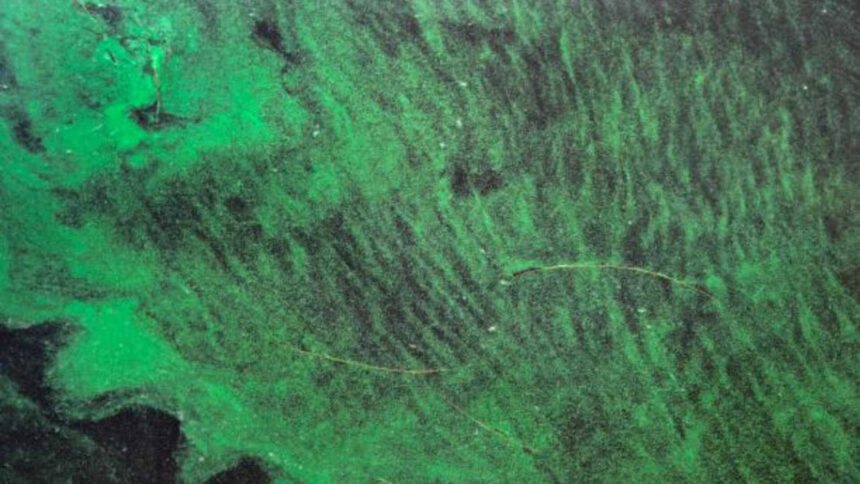
The warm waters of Florida have long been a breeding ground for cyanobacteria, a type of blue-green algae that has been a part of Earth’s ecosystem for billions of years. However, the recent surge in toxic algae blooms has raised concerns among scientists and health experts, who have now discovered that the toxins produced by these blooms can travel through the air, potentially increasing the risk of developing Amyotrophic Lateral Sclerosis (ALS), a debilitating neurological disease. The findings have significant implications for the health and well-being of people living in areas prone to toxic algae blooms, and highlight the need for urgent action to mitigate the effects of these environmental disasters.
The Science Behind Cyanobacteria
Cyanobacteria are ancient microorganisms that have played a crucial role in shaping Earth’s atmosphere. They thrive in warm temperatures, abundant sunlight, and slow-moving water, making Florida’s lakes, rivers, and coastal areas an ideal habitat. When cyanobacteria grow and multiply, they can produce toxic compounds, including microcystins and BMAA, which have been linked to a range of health problems, including liver damage and neurological disorders. The toxins can enter the environment through various pathways, including direct contact with contaminated water, consumption of tainted fish and shellfish, and inhalation of airborne toxins.
Researchers have been studying the effects of cyanobacteria on human health for decades, but the recent discovery that toxins can travel through the air has raised new concerns. The airborne toxins can be carried by wind and water droplets, allowing them to spread far beyond the immediate area of the bloom. This means that people living in areas surrounding the blooms, as well as those visiting or working in these areas, may be exposed to the toxins, even if they do not come into direct contact with the contaminated water.
Health Implications and Risk Factors
The link between airborne toxins from cyanobacteria and ALS is a significant finding, as it suggests that people living in areas prone to toxic algae blooms may be at a higher risk of developing the disease. ALS is a progressive neurological disorder that affects nerve cells in the brain and spinal cord, leading to muscle weakness, paralysis, and eventually, death. While the exact causes of ALS are still not fully understood, research has shown that environmental factors, including exposure to toxins, may play a role in the development of the disease. The discovery that airborne toxins from cyanobacteria can increase the risk of ALS highlights the need for further research into the health effects of these blooms and the importance of taking measures to prevent and mitigate their impact.
The health implications of toxic algae blooms extend beyond ALS, as the toxins produced by cyanobacteria can cause a range of other health problems, including respiratory issues, skin irritation, and liver damage. People with pre-existing medical conditions, as well as children and the elderly, may be particularly vulnerable to the effects of these toxins. As the frequency and severity of toxic algae blooms continue to increase, it is essential that health experts, policymakers, and the general public take action to address this growing health concern.
Prevention and Mitigation Strategies
Preventing and mitigating the effects of toxic algae blooms require a multi-faceted approach that involves reducing the nutrients that fuel the growth of cyanobacteria, monitoring water quality, and implementing measures to minimize human exposure to the toxins. This can include reducing fertilizer use, improving wastewater treatment, and creating public awareness campaigns to inform people about the risks associated with toxic algae blooms. Additionally, researchers are exploring new technologies and methods to remove toxins from the water and air, such as using algae-eating bacteria or developing more effective air filtration systems.
As scientists continue to study the effects of toxic algae blooms on human health, it is clear that urgent action is needed to address this growing environmental and health crisis. By working together to prevent and mitigate the effects of these blooms, we can reduce the risk of ALS and other health problems associated with cyanobacteria, and protect the health and well-being of people living in areas prone to toxic algae blooms. The discovery that toxins from Florida’s toxic algae blooms can travel through the air and increase the risk of ALS is a wake-up call for all of us, and it is essential that we take immediate action to address this critical issue.