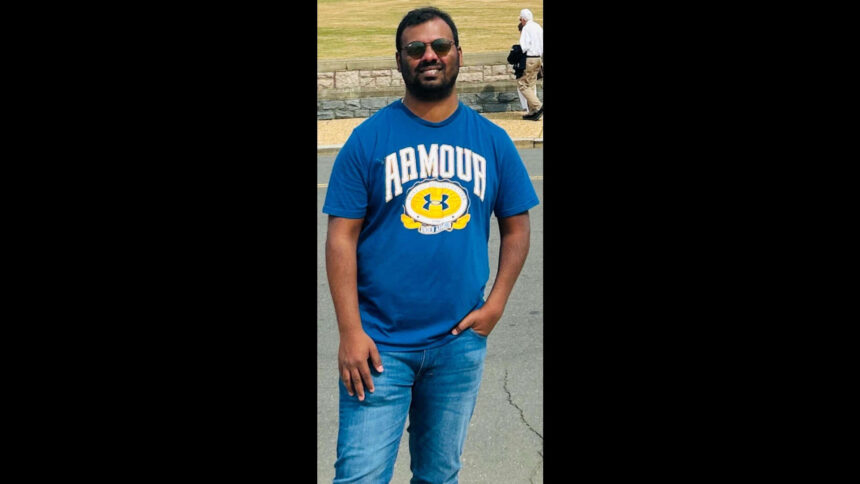
A devastating medical emergency has shaken the community of Indian expatriates in Ohio, after a 34-year-old software professional, Venkata Raviteja Ravipati, passed away due to a rare and life-threatening condition known as Type A Aortic Dissection. Ravipati, who was known to his friends and family as Ravi, was admitted to the hospital after experiencing severe pain in his left leg following dinner, and despite undergoing major surgery, he could not be saved. The sudden and unexpected nature of Ravi’s death has sent shockwaves through the community, highlighting the importance of awareness and education about this rare medical condition.
Understanding Type A Aortic Dissection
Type A Aortic Dissection is a serious medical condition that occurs when there is a tear in the inner layer of the aorta, which is the largest artery in the body. This tear can cause the aorta to balloon out or dissect, leading to a blockage of blood flow or a rupture of the aorta, which can be fatal if not treated promptly. The condition is often associated with high blood pressure, atherosclerosis, and other cardiovascular diseases, and can be triggered by factors such as trauma, intense physical activity, or certain medical conditions.
According to medical experts, Type A Aortic Dissection is a rare but highly dangerous condition that requires immediate medical attention. Symptoms can include severe chest or back pain, difficulty breathing, and a drop in blood pressure, and can be similar to those of a heart attack or other cardiovascular conditions. Early diagnosis and treatment are critical to preventing complications and improving outcomes, and can involve a combination of medications, surgery, and other interventions.
The Importance of Awareness and Education
Ravi’s death has highlighted the need for greater awareness and education about Type A Aortic Dissection and other rare medical conditions. Many people are unaware of the risks and symptoms of these conditions, and may not seek medical attention promptly if they experience symptoms. By raising awareness and promoting education, it is possible to reduce the risk of complications and improve outcomes for individuals who are affected by these conditions. This can involve working with healthcare providers, community organizations, and other stakeholders to provide education and resources to those who need them.
Furthermore, Ravi’s death has also underscored the importance of maintaining a healthy lifestyle and managing risk factors for cardiovascular disease. This can include eating a healthy diet, getting regular exercise, managing stress, and getting enough sleep, as well as avoiding tobacco and limiting alcohol consumption. By taking these steps, individuals can reduce their risk of developing cardiovascular disease and other conditions that can increase their risk of Type A Aortic Dissection.
Remembering Ravi and Supporting His Family
Ravi’s death has been met with an outpouring of support from his friends, family, and community, who are coming together to remember his life and legacy. He is remembered as a kind and gentle soul who was dedicated to his work and his loved ones, and who will be deeply missed by all who knew him. As the community comes together to support Ravi’s family during this difficult time, it is also an opportunity to raise awareness and promote education about Type A Aortic Dissection and other rare medical conditions.
The sudden and unexpected nature of Ravi’s death is a reminder of the importance of living each day to the fullest and appreciating the time we have with our loved ones. As we remember Ravi and support his family, we are also reminded of the need to prioritize our health and wellbeing, and to seek medical attention promptly if we experience any symptoms or concerns. By working together to raise awareness and promote education, we can reduce the risk of complications and improve outcomes for individuals who are affected by rare medical conditions like Type A Aortic Dissection.