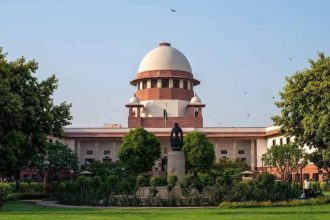
The Supreme Court’s decision to examine a plea to ease the ban on green crackers has sparked a heated debate across the country, with many questioning whether the same standards of pollution control should be applied uniformly to all states. The petition, which seeks to relax the restrictions on the use of green crackers, argues that the ban has had a devastating impact on the livelihoods of firecracker manufacturers and sellers, many of whom are small-scale entrepreneurs. As the court prepares to hear the plea, the country is once again forced to confront the delicate balance between tradition, culture, and environmental protection.
The Pollution Problem
The issue of firecrackers and pollution is a complex one, with many arguing that the ban is a necessary measure to protect public health. The facts are stark: every year, the air quality in Delhi plummets to hazardous levels during the Diwali season, with the concentration of particulate matter exceeding safe limits by several times. The city’s residents, already struggling with the effects of poor air quality, are forced to endure several days of choking smog, with many suffering from respiratory problems and other health issues. The ban on firecrackers, implemented by the Supreme Court in 2018, was seen as a welcome relief by many, who hoped that it would bring some respite from the pollution.
However, others argue that the ban has been ineffective in reducing pollution levels, and that it has had a disproportionate impact on small-scale firecracker manufacturers and sellers. Many of these entrepreneurs, who have been in the business for generations, have seen their livelihoods destroyed by the ban, with many forced to shut down their operations and lay off workers. The petitioners argue that the ban is too broad, and that it fails to take into account the differences in air quality and pollution levels across different states.
The Cultural Significance
Firecrackers have been an integral part of Indian culture and tradition for centuries, with many communities using them to celebrate festivals and special occasions. The sound of firecrackers is an essential part of the festive atmosphere, and many people feel that the ban has taken away a key aspect of their cultural heritage. The petitioners argue that the ban is an attack on Indian tradition and culture, and that it fails to take into account the importance of firecrackers in many communities. They argue that the court should consider the cultural significance of firecrackers, and that it should find a way to balance the need to protect the environment with the need to preserve cultural traditions.
The cultural significance of firecrackers is not limited to their use during festivals and special occasions. Many people also use firecrackers to mark important life events, such as weddings and births, and to celebrate special moments, such as the start of a new business or the launch of a new product. The ban on firecrackers has made it difficult for people to celebrate these occasions in the way that they want to, and many feel that it has taken away a key aspect of their cultural identity.
The Way Forward
As the Supreme Court prepares to hear the plea, it is clear that there are no easy answers. The court will have to weigh the competing interests of different stakeholders, including firecracker manufacturers and sellers, environmentalists, and community groups. The petitioners are seeking a relaxation of the ban, arguing that it is too broad and that it fails to take into account the differences in air quality and pollution levels across different states. They argue that the court should consider the use of green crackers, which are said to be more environmentally friendly than traditional firecrackers.
The court’s decision will have significant implications for the country, and will be closely watched by people from all walks of life. As the country struggles to balance its cultural heritage with the need to protect the environment, the Supreme Court’s decision will be a crucial step in finding a way forward. The court’s verdict will not only determine the fate of the firecracker industry, but will also have a significant impact on the way that Indians celebrate their festivals and special occasions. As the country waits with bated breath for the court’s decision, one thing is clear: the issue of firecrackers and pollution is a complex one, and will require a nuanced and sensitive approach to resolve.