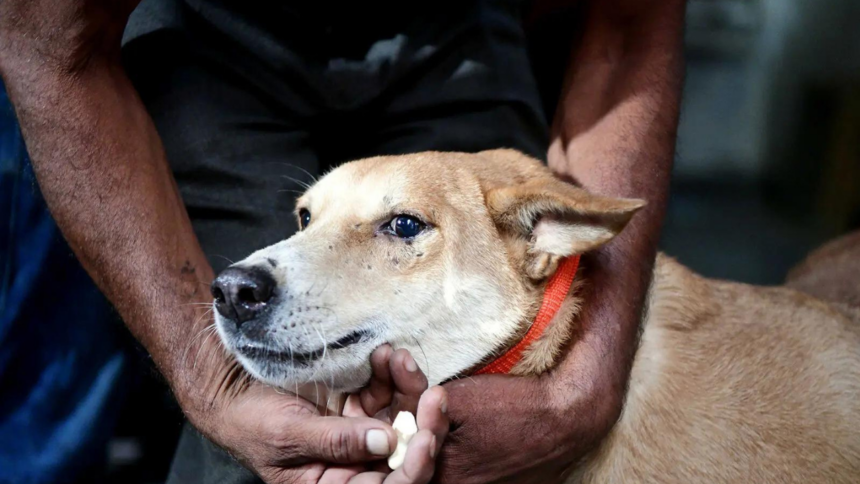
In a move aimed at addressing the rising concerns over the growing number of stray dogs in the national capital, the Delhi High Court on Thursday took the initiative to oversee the implementation of the Supreme Court’s directions on the management of stray dogs in Delhi. The court’s decision to launch a suo motu public interest litigation (PIL) in this regard is seen as a positive step towards finding a lasting solution to this complex problem.
Stray Dogs: A Growing Concern
The problem of stray dogs in Delhi has been a longstanding issue that has not shown any signs of abating. According to official data, there are over 20,000 stray dogs in the city, and the numbers continue to rise. The increasing population of stray dogs has led to a rise in dog bite incidents, which have become a major concern for residents, particularly children, and the elderly. The problem has become so acute that many people are hesitant to step out of their homes, especially during the night, fearing a stray dog encounter.
While the Delhi government has implemented various measures to tackle the problem, such as a spay-neuter program and a dog population control plan, the issue remains unresolved. The government’s efforts have been hampered by the lack of coordination among various agencies responsible for managing stray dogs, which has led to inconsistent implementation of policies and a lack of transparency in the process.
Breaking the Cycle
The Delhi High Court’s move to launch a suo motu PIL is seen as a much-needed intervention to break the cycle of inaction and inefficiency that has plagued the government’s efforts to address the stray dog problem. By taking the initiative to oversee the implementation of the Supreme Court’s directions, the court is setting a precedent for effective coordination and accountability among government agencies.
The PIL is expected to focus on several key areas, including the implementation of the spay-neuter program, the setting up of dog shelters, and the creation of a comprehensive database of stray dogs. By addressing these critical gaps in the existing system, the PIL aims to provide a sustainable solution to the stray dog problem that can be replicated in other cities facing similar challenges.
A Way Forward
The Delhi High Court’s suo motu PIL is a positive step towards finding a lasting solution to the stray dog problem in Delhi. By taking a proactive approach to address this complex issue, the court is demonstrating its commitment to protecting the rights and safety of citizens. As the city continues to grapple with the challenges posed by stray dogs, it is essential that all stakeholders work together to find a comprehensive and sustainable solution that prioritizes the welfare of both humans and animals.
The court’s decision to take up the issue of stray dogs is a timely reminder of the importance of effective governance and the need for accountability in addressing public concerns. As the PIL unfolds, it will be interesting to see how the court navigates the complex web of interests and stakeholders involved in this issue and finds a solution that works for all parties concerned.
The people of Delhi are eagerly waiting for a solution to this problem, and the court’s move has given them a glimmer of hope. With the court’s guidance and support, it is possible that Delhi can become a model for other cities in managing stray dog populations and finding a balance between animal welfare and human safety.