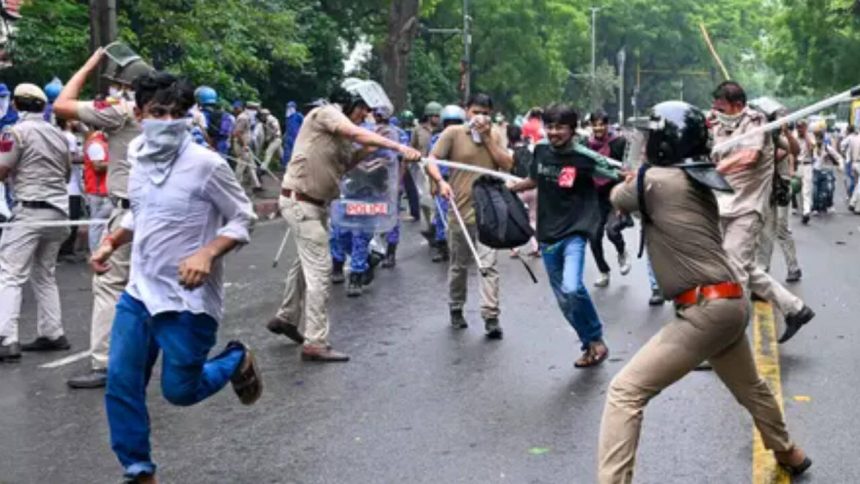
The Supreme Court of India has agreed to hear a Public Interest Litigation (PIL) on Monday, which promises to bring about a significant shift in the way police officers and security personnel handle public assembly management, crowd control, and arrests. The PIL, filed by an advocate, seeks to introduce stringent guidelines that would ensure that police officers and security personnel display their identities while carrying out these tasks, putting an end to the practice of operating in plainclothes. This move has sparked widespread hope and optimism among citizens, civil society organizations, and human rights groups, who have long been calling for greater accountability and transparency within law enforcement agencies.
Plainclothes Operations: A Concerning Issue
The practice of police officers and security personnel operating in plainclothes has long been a source of concern for civil society and human rights groups. This practice often leads to cases of police brutality, custodial torture, and extrajudicial killings, which go unreported and unpunished. The lack of accountability and transparency within law enforcement agencies has resulted in a culture of impunity, where police officers and security personnel feel emboldened to act with reckless abandon. The PIL seeks to put an end to this practice by introducing guidelines that would require police officers and security personnel to display their identities while carrying out crowd control, public assembly management, or making arrests.
The PIL also seeks to introduce other measures to ensure police accountability, including the establishment of a complaints mechanism, the provision of training to police officers on human rights and ethics, and the introduction of body-worn cameras to record police interactions with the public. These measures are designed to promote a culture of transparency and accountability within law enforcement agencies, and to ensure that police officers and security personnel are held accountable for their actions.
Impact on Public Trust and Confidence
The introduction of these guidelines has the potential to significantly impact public trust and confidence in the police. When police officers and security personnel operate in plainclothes, it creates a sense of fear and mistrust among citizens, who are often unsure of whether they are interacting with a law enforcement officer or a plainclothes operative. By requiring police officers and security personnel to display their identities, the PIL seeks to promote a sense of transparency and accountability, and to help rebuild public trust in the police. This, in turn, could lead to greater cooperation and collaboration between the police and the public, and could help to reduce crime and improve public safety.
The PIL also seeks to introduce measures to ensure that police officers and security personnel are held accountable for their actions, including the provision of compensation to victims of police brutality and the establishment of an independent complaints mechanism. These measures are designed to promote a culture of accountability and transparency within law enforcement agencies, and to ensure that police officers and security personnel are held to the highest standards of professionalism and ethics.
A Step Towards Police Reform
The Supreme Court’s decision to hear the PIL on Monday is a significant step towards police reform in India. The PIL seeks to address some of the most pressing concerns related to police accountability and transparency, and has the potential to significantly impact public trust and confidence in the police. While there is still much work to be done, the introduction of these guidelines could be a major step towards creating a more accountable and transparent police force, one that is committed to upholding the rights and dignity of all citizens. As the PIL moves forward, it will be closely watched by civil society organizations, human rights groups, and citizens across the country, all of whom are eager to see the introduction of these much-needed reforms.
Monday’s hearing will be a critical moment in this process, and will provide an opportunity for the Supreme Court to weigh in on the importance of police accountability and transparency. As the country waits with bated breath for the outcome of this hearing, one thing is clear: the introduction of these guidelines has the potential to transform the way police officers and security personnel interact with the public, and to promote a culture of accountability and transparency within law enforcement agencies.